
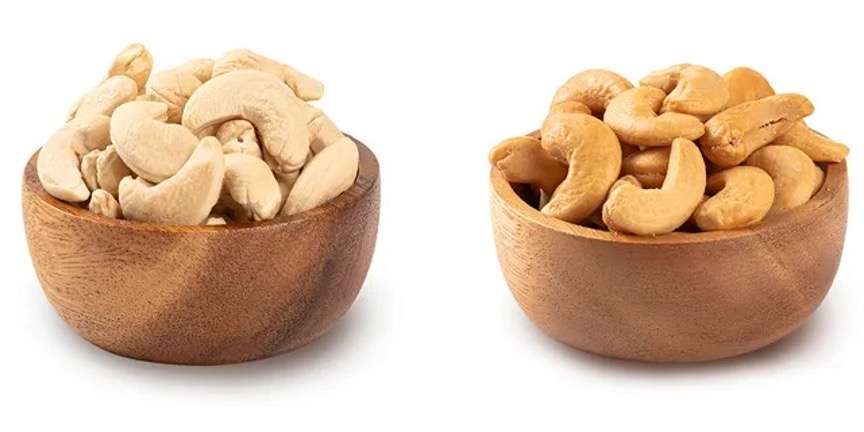
Export buyers notice inconsistencies—do you? Manufacturers often rely on ground samples and handheld chroma meters. This method fails to capture whole-nut appearance. A roast-level measurement that aligns with consumer expectations can elevate product consistency—especially for global export markets.
A slightly over- or under-roasted cashew can affect perceived quality, flavor, and brand trust. Yet many processors still rely on outdated, destructive color checks that don’t reflect what the consumer sees.
Let’s fix that.
Why Color Accuracy Drives Cashew Quality
- Consumer confidence: Global buyers expect golden-brown uniformity. Irregular batches erode trust.
- Export readiness: Color variation is a top rejection reason for U.S. and EU-bound shipments.
- Flavor & texture proxy: Roast color is linked to browning index and sensory qualities.
The Problem with Ground Sample Methods
- Inaccurate representation: Grinding mixes inner and outer nut layers, masking true surface color.
- Prep variability: Operator technique affects grind consistency and packing.
- Low throughput: Each test can take 8–10 minutes—including warm-up, grind, and tray prep.
- Wasteful: Ground samples can’t be reused—costing time and raw materials.