
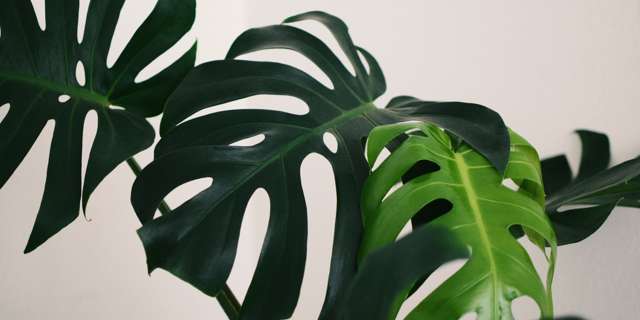
Many new species of plants are identified each year, and colour serves as an important differentiator. Image Credit: Unsplash user Chris Lee
In 2016 alone, 1,730 new species of vascular plants were discovered.1 While that may seem like a large number, it pales in comparison to the total number of known species, which is on the order of 400,000.2
The sheer number of plants makes categorization essential. Of the many characteristics by which we categorize our plants, colour is one of the most immediately apparent, and therefore most important. But, of course, your information is only as good as your measurements. The human eye sees colour subjectively, which creates issues for scientists attempting to create an objective catalog of plant colour. For accuracy and the ability to create a meaningful comparison, it’s necessary to rely on a digital instrument such as a spectrophotometer.
Colour an Important Tool in Plant Identification
There are many important reasons to be able to distinguish between similarly colored plants. Botanists in the field can turn to colour identification to differentiate otherwise similar vegetation or to help identify a new species. Rose breeders and other floriculturists keep a close eye on colour in order to improve their husbandry practices, select appropriate flowers for various uses, and distinguish between species of wildflowers. Food processors, such as saffron producers and distributors, can use colour to detect supply adulteration. Land managers may rely on colour identification to detect invasive species or promote the growth of endangered ones, as well as for simple surveys. Foresters rely on colour, among other factors, to differentiate between similar species of trees and other forest vegetation.3
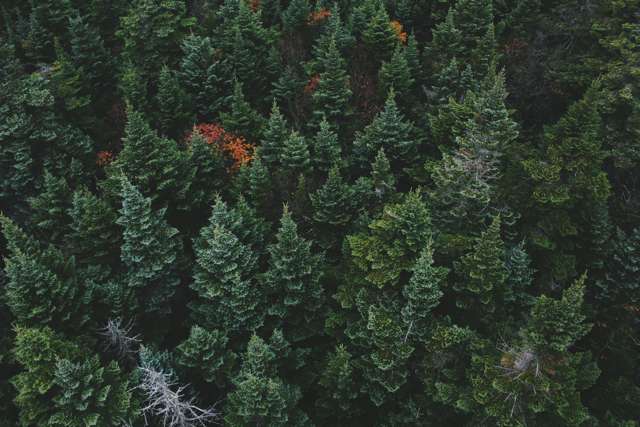
Colour is can be used to distinguish trees in a forest. Image Credit: Unsplash user Noah Silliman