

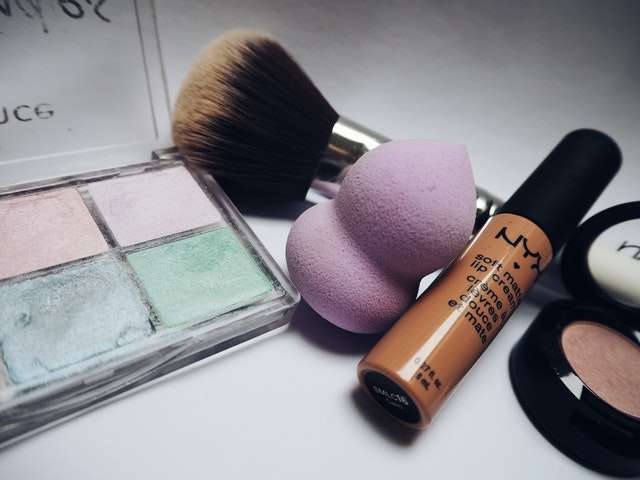
Cosmetics brands are fostering inclusivity by offering a wider range of shades for all skin tones. Image source: Pexels user Gumzito Leruo

The cosmetics industry is changing at a rapid pace. In the past, it was nearly impossible for people of colour to find the perfect shade of foundation for their skin tones, as most cosmetics brands only offered a handful of darker shade options. For instance, one cosmetics brand famously claimed to offer 30 different foundation shades, but only five of those shades were marketed toward people of colour.1 Today, we’re seeing a significant shift in shade offerings from top makeup manufacturers and the emergence of exciting new brands building their reputations on their diverse palettes. Rihanna’s Fenty Beauty, for example, recently released a 40-shade collection of foundations that cover a massive range of skin tones, and nearly half of those shades are marketed toward people of colour. As Marissa Muller writes in W Magazine, the move is regarded by many in the beauty industry as  “ushering in a new era of inclusivity.”2

As the need for inclusivity becomes more apparent, many cosmetics brands are creating broader spectrums of foundation colours in order to better meet their customers’ needs. However, to consistently create a diverse array of shades, you need to implement strict colour quality control protocols based on spectrophotometric colour measurement.

Why Colour Matching is Important

Because foundation is meant to mimic a customer’s natural skin tone, precise colour formulation and consistency matters. Even slight variations in colour could make the foundation appear either too light or too dark for someone’s natural skin. People of colour who have darker skin tones often find colour matching particularly difficult, as many foundation shades make their skin appear grey or ashy. This happens when a foundation is too light in colour or too opaque—it doesn’t blend in seamlessly with the skin’s natural undertones and this is especially apparent on darker skin.3

Due to the difficult process of finding the perfect match, customers generally like to stick with the same foundation brand once they find a shade that works well with their skin. In fact, a recent Corra Research study found that only 11 percent of makeup wearers switch foundation brands frequently and customers were significantly less likely to switch if they found products that closely matched their skin colour.4 As such, offering a wide range of shades that will blend with a diverse array of skin tones will help you meet the needs of your customers today and likely for years to come.

foundation-shades-2.jpg

The more foundation shades a manufacturer creates, the more likely one of the shades will match a customer’s skin tone. Image source: Wikimedia user Jen

Read  Colour-Coding Technology: 50 Shades of Grey Pills?

The Challenges of Creating A More Inclusive Palette

One of the biggest challenges that cosmetics brands face when they create a larger number of foundation shades is that differences between the shades will naturally be more subtle compared to a smaller collection of shades, making distinctions between shades less apparent to the human viewer. In a 10-shade collection, for instance, the difference between the darkest and second-darkest shade available will likely be obvious to the naked eye. In a 50-shade collection, the difference between the darkest shade and the second-darkest will likely be far less obvious.

The colour variation between shades depends on the amount of pigment used to create the foundation. Most foundation manufacturers use varying amounts of titanium dioxide or iron oxide pigments to make different colours of foundation.5 The more pigment that a foundation has in the mix, the darker the final colour will be. If you have a lot of colour variation between one shade and the next-closest shade, then you likely used a higher percentage of pigment in the darker shade’s mix than you did in the lighter shade. However, if you want to create a more inclusive product range that matches a wide range of skin tones, then the amount of pigment that you use will likely only change by a percentage or two between each shade, perhaps even less. For instance, the darkest shade in your collection may contain 15 percent pigment, and the next-darkest shade may contain 14.5 percent pigment—a difference of just half a percentage.

This small change in pigment is far too subtle for the human eye to easily detect on its own, but it can make a significant difference once the product is applied to the skin. As such, if you only rely on visual assessment of your product’s colour, then both the formulation and manufacturing processes may be compromised. A spectrophotometer is therefore necessary to facilitate formulation and ensure that future products remain consistent batch-to-batch.

foundation-shades-3.jpg

Spectrophotometers can help you ensure that every foundation in your shade range is consistent from product-to-product. Image source: Pexels user Beata Dudova

INFO  Get More Information

The Benefits of Spectrophotometric Colour Measurement

Spectrophotometers are designed to see colour the way the human eye sees it, only better. By distilling colour to numerical data, spectrophotometers quantify each foundation shade and can detect even the most subtle differences between shades. As such, these sophisticated colour measurement instruments take the guesswork out of the formulation process, showing you exactly what colour the resulting shade is and determining whether your product falls within the tolerance you specify. With colour measurement software already built into each instrument, you can decide exactly how much colour variation you want between one shade and the next, allowing you to more precisely tailor your palette to your needs.

Not only can spectrophotometers help you determine how much pigment to mix into your final formulation, they are also invaluable for ensuring consistent batch-to-batch production of your foundations. Whether you are working with liquid or powder products, integrating spectrophotometric colour measurement in the manufacturing process allows you monitor your foundations at critical points of production. By doing so, operators can detect unwanted colour variation as early as possible, allowing them to take swift corrective action and prevent the release of inaccurately pigmented products. When a brand is building relationships with customers based on its ability to create accurate colour matches, this level of quality control is essential.

HunterLab Innovation

HunterLab has been a leader in colour measurement for over 60 years. Today, we combine cutting-edge technologies with user-friendly designs to create versatile, innovative, and reliable spectrophotometers that help our customers take colour quality control to the highest level. With advanced colour measurement algorithms, integrated software, and state-of-the-art hardware in every instrument, our spectrophotometers are essential tools for cosmetics manufacturers looking to create the best products possible. Contact us to learn more about our renowned instruments, customizable software packages, and world-class customer support services.