
It’s important to measure colour quality in beer to ensure that the brewing process remains consistent batch-to-batch. Image Credit: Unsplash user Adam Wilson

One of my friends has operated a small-scale brewery for the past five years, and he makes the most delicious lager that I’ve ever tasted. But he wasn’t always this skilled at the craft; when he first got started, he didn’t realize the importance of opacity and colour quality in beer. For the first few years, every batch he made looked slightly different—one might be a dark, cloudy brown, while the next looked creamy gold. It was a frustrating experience for him. After investing in quality control tools, and experimenting in his new brew lab, he finally achieved consistency, and as a result, his brewery’s beer tastes and looks better than ever.

If you own a microbrewery or other small-scale business, you can save a great deal of time and wasted beer by measuring the colour and opacity of your brews in advance. This method allows you to make changes to your brew long before bottling, creating your own dream beer from scratch.

beer-2.jpg

A consistent-colored product looks more appealing, and it’s a sign of a refined brewing process. Image Credit: Unsplash user Pawel Kadysz

Read  Beer Colour Analysis: Setting the Standards for Quality Using Spectrophotometric Technology

Quality Control Matters for Small-Scale Breweries

You might think that colour quality control only matters for large-scale breweries that produce millions of barrels per year. However, colour consistency is important whether you’re brewing 6 million barrels or just 15,000. In fact, colour quality control is perhaps more important for small-scale breweries than it is for larger, established brands. As a lesser-known producer, you’re still in the process of building your reputation in the industry. Big-name brands can rely on a loyal customer base every year, but as a smaller producer, you have to actively market your beer to brand new customers. In order to leave a lasting impression these beer drinkers, you have to ensure that your product looks consistent and professional on the shelf, and that your beer is always brewed perfectly. It’s this attention to detail that will earn you a loyal roster of customers.

How to Achieve Consistency

Of course a consistent product looks more appealing, but beyond appearances, consistency is also a sign that you brewed your beer properly. For example, if your first batch is slightly darker in colour than your second, it’s likely that your second batch won’t taste as robust or coffee-like as your first batch. By measuring the opacity and colour quality in beer, you’re able to pinpoint which stages of the brewing process need improvement using both the beer’s colour and taste as a baseline for your data. In order to achieve consistency across batches, you’ll need to measure opacity and colour quality in beer during a few key steps in the brewing process.1

First, you can measure the colour of the mash as it steeps. If your wort is too dark in colour already, this will tell you that you need to decrease the pH level of your water and vice versa if you want to deepen the colour. Next, you can measure the colour again as your mash steeps, waiting until you achieve the perfect hue before moving on to the next brewing step. Repeat this process for the kettle boil and hopping steps. Finally, measure both the opacity and colour of your brew during the fermentation and filtration stages. Generally, your beer will lose some of its colour during these stages, so tools that measure colour can help you find an ideal (usually darker) pre-filtration colour that will eventually lighten into the perfect hue when you reach the bottling stage.

beer-3.jpg

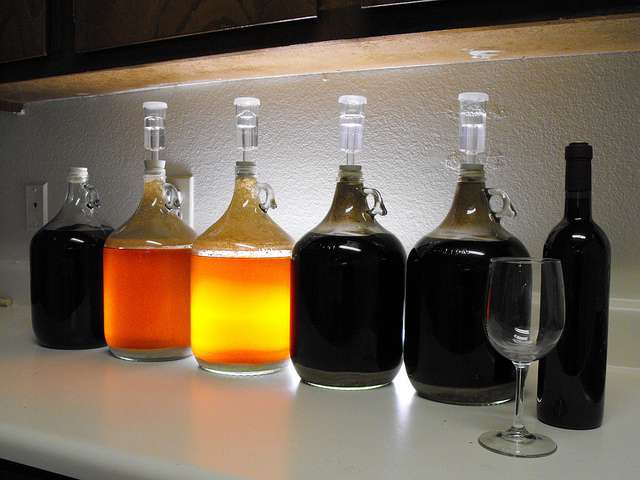
Brewing equipment takes up a great deal of space, which is why many microbreweries use the smallest quality control tools available. Image Credit: Flickr CC user Tim Patterson

INFO  Get More Information

Small-Scale Breweries Require Small Footprints

Microbreweries and other small-scale operations often face a unique problem that large-scale breweries rarely experience: limited equipment space. However, modern quality control instruments can be the perfect size for a small brewery’s needs, depending on the type of equipment you choose. Today, there are spectrophotometers capable of measuring both colour and opacity without taking up too much room in your brew labs; with their small footprints, they are easily integrated into any production environment, making them ideal for small-scale breweries. These user-friendly instruments also allow measurements to be taken on a pass/fail basis and without complicated sample prep, optimizing efficiency.

HunterLab Quality

HunterLab has been a leader in colour measurement technologies for over 60 years. Today we offer a comprehensive range of portable, benchtop, and in-line spectrophotometers ideally suited for the diverse needs of our customers. Our instruments are capable of capturing critical colour data at each stage of the brewing process, giving you the information you need to perfect your products and grow your business. Contact HunterLab today to learn more about our renowned spectrophotometers and let us help you find the perfect tools for your needs.