
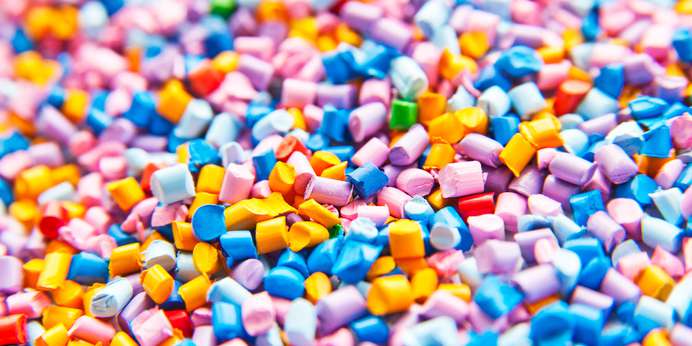
The recycled plastics market offers a sustainable alternative to virgin plastics, but ensuring consistent colour in products made from reprocessed materials presents a unique challenge. Colour variations in recycled pellets can impact the final product's look and marketability.
Here are four points to keep in mind about measuring the colour of recycled pellets:
1. Measuring the Colour of Recycled Pellets Poses Unique Challenges
Recycled pellets originate from various post-consumer and industrial waste sources. This diverse origin leads to colour variations in the pellets. Pigments and dyes used in the original plastics also contribute to the final colour of the recycled pellets.
Visual assessment proves unreliable for recycled pellets. It is subjective and prone to human error when dealing with surface texture variations in recycled plastics.
2. Colour Measurement Is Essential for Consistency
Maintaining consistent colour in recycled plastic products is crucial for several reasons, such as:
- Quality control: Consistent colour signifies a well-controlled recycling process. Colour variations can imply sorting, cleaning, or contamination issues. Catching the errors sooner allows for timely corrective actions.
- Aesthetics: Consistent colour ensures a professional, appealing final product meeting consumer expectations.
- Product performance: In some applications, colour variations can impact product performance. For example, consistent colour in recycled automobile components demonstrates a precision-controlled production process.