

Since colour influences product quality, safety and costs, consistency is important, establishing the need for international colour standards. Certified colour standards are composed of electrophotographic reflectance data that combines a master electronic standard and visual reference to ensure consistent colours across materials.

International Colour Standards

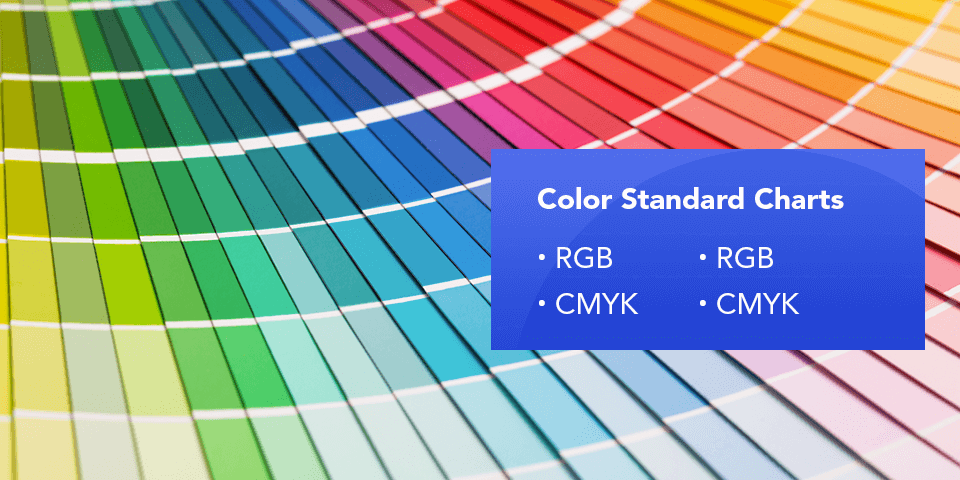
There are several colour standard charts for reference:

  • RGB: The red, green, blue (RGB) colour standard is the colour display for LCD screens, CRT monitors and plasma displays.
  • CMYK: The cyan, magenta, yellow, key (CMYK) colour standards are used for printing since the RGB standard cannot create black.
  • Pantone: Pantone colour standards are vibrant, solid colours that can be converted to RGB or CMYK when necessary.
  • USDA: USDA colour standards help agriculture professionals decide when produce should be picked and how it should be graded. Food processors also use these standards for food processing and packaging.
color-reference.png
Read  Colour Standards for the Paper Industry

Colour Reference Standards for Various Industries

Here are the colour reference standards for these industries:

Metal

International colour standards for metal are used for automotive products, small appliances and furniture for brass, nickel, chrome and other metal types. These metals can also have different finishes, including brushed, burnished and polished.

Packaging

A packaging colour standards chart communicates the brand identity through colour consistency. There are several tone scales and vignettes to help with colour selection.

Paper

Paper colour standards collaborate with textile colour standards when the paper colour and textile colour need to coordinate. This communication allows you to effectively describe the colour you need. Paper standards apply to stationary, wrapping paper, paper plates and napkins.

plastic.png
INFO  Get More Information

Plastics

The plastics industry needs colour standards for many plastic materials. When required, plastics colour standards can be coordinated with textile standards. Colour options include solid colours and tints with matte and gloss finishes. These standards apply to automotive, industrial and home plastic products.

Textiles

Colour reference standards for textiles apply to the fashion and interior design industries with standards for cotton, nylon, polyester and other substrates.

Wood

There are several types of wood available as well as clear and painted finishes to choose from that each provides a unique look. Colour reference standards for wood are used by wood and furniture manufacturers for furniture and accessory products since colour needs to be consistent to meet customer requirements.

Contact HunterLab Today

HunterLab has more than 65 years in the industry, and we have worked with thousands of clients on international colour standards. Contact HunterLab online for more information about colour standards charts. Read our blog for posts about colour measurement and more.