The holiday season has come and gone, and I find myself, as usual, having consumed more than my fair share of sweets. With the arrival of the New Year, I’m trying to cut back on sugary foods, but ice cream is one treat that’s not getting scratched from my list (it is in the dairy/protein family anyway, right?).  Honestly, I find it hard to avoid most creamy-textured foods—which makes sense, since they’re often specifically engineered to be appealing.

5033870473_055eb8abf2_z.jpg

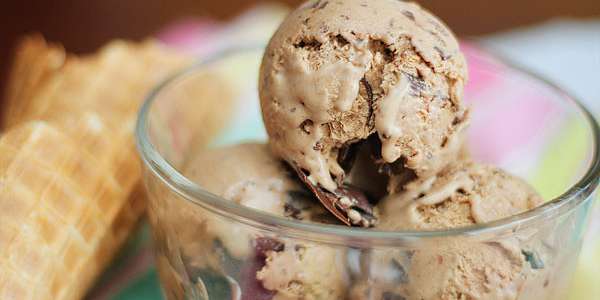
The rich creaminess of ice cream makes it appealing both visually and texturally. Image Source: Flickr user gordonramsaysubmissions (CC BY 2.0)

Carrageenan is not an ingredient that pops up on most consumers’ radars when they check labels, yet it’s responsible for improving the texture and appearance of many of the food products they consume daily. Extracted from an edible red seaweed and converted into powdered form, this natural derivative is added to a variety of foods, from dairy products and beverages to processed meats1. And though carrageenan powder is white in appearance, it often remains undetectable thanks to carrageenan colour analysis and instrumental quality control.

Read  Beer Colour Analysis: Setting the Standards for Quality Using Spectrophotometric Technology

Measuring Colour to Increase Visual Appeal

Texture and appearance go hand in hand when it comes to the marketability and visual appeal of foods. The creaminess of my favorite ice cream brand relies on carrageenan to create this texture—but visual colour and consistency can also be altered by the additive. However, because the white appearance of carrageenan in powdered form2 can change the colour outcome of many products, carrageenan colour analysis is a priority for manufacturers hoping to maintain consistency.

Carrageenan is found in a wide range of food products, including beverages, dairy products, and processed meats. Image Source: Flickr user Calgary Reviews (CC BY 2.0)

In fact, colour measurement of the raw additive plus final colour outcome monitoring are both necessary for ensuring the visual appeal of finished food products. Measuring the lightness value of carrageenan with advanced colour measurement tools provides you with the data necessary to set colour tolerances and formulate necessary changes throughout production. Understanding these light values and developing a colour tolerance method that utilizes a CIELAB measurement system are the first steps toward developing a replicable product.

INFO  Get More Information

Understanding Your Colour Measurement Instrumentation

Spectrophotometers provide the most advanced level of colour measurement and are now an embedded part of food production and quality control. The many features they offer can be overwhelming, but knowing what measurements are important and how to calibrate your instrumentation will save both time and money.

When measuring carrageenan, it is important to focus on light value measurements, or *L values, given the effect that the additive’s white appearance can have on the final colour outcome of your product. Quantifying the light value of raw carrageenan powder allows colour formulations to be set and altered to meet colour tolerance standards.

9160426968_29122fb660_z.jpg

The white colour of carrageenan powder can directly affect final colour outcome, making instrumental colour monitoring an essential part of food production. Image Source: Flickr user U.S. Department of Agriculture (CC BY 2.0)

But since light values can change from batch to batch, continual colour monitoring is necessary to produce the outcome that you want. Studies show that consumers rely on colour consistency to judge the quality and reliability of their purchases, which means that even slight changes can sway their buying choices and have a negative effect on their perception of your brand’s quality.

Spectrophotometers offer continuous colour monitoring capabilities that provide the data necessary for making formulation changes throughout production, resulting in consistent colour every time.

Making the Most of Your Colour Measurement Tool

Spectrophotometers are available in a variety of styles and models. Each is designed to meet specific industry standards, and many offer the versatility to measure a variety of sample sizes and textures. Although the instrumentation itself is highly advanced, each product is designed for ease of use and allows for the simple quantification of colour values.

At HunterLab, we offer a wide selection of colour measurement tools designed to meet the many challenges of the food industry. From non-contact colour measurement to the assessment of liquid and powdered samples, we work with industry leaders to design tools that not only meet your needs but offer the versatility necessary to compete in today’s global market. Our products are also fully supported by our customer service program, ensuring that you make the most of your spectrophotometer. For more information, contact us today and learn why food industry leaders rely on our technology for their colour measurement needs.