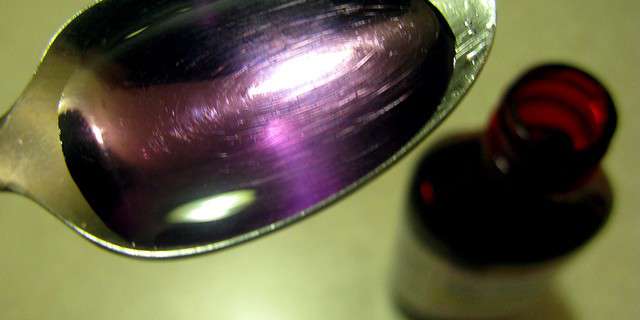
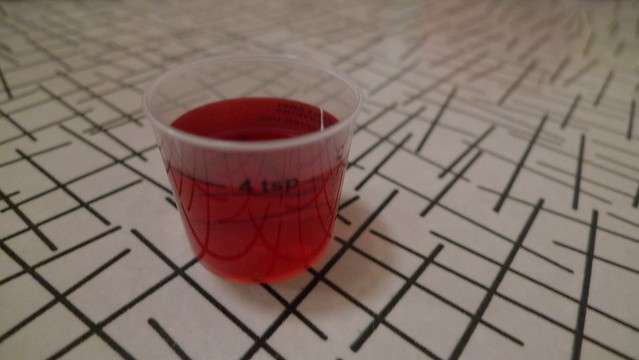
Colour and flavor together must create a cohesive match to effectively alter taste perception and increase patient acceptability. Image Source: Flickr user frankieleon

Medicine has a particular taste that many people dislike. It doesn’t even seem to matter what particular type of medication it is; the overpowering flavor is very hard to mask. Pharmaceutical companies are exceedingly aware of this dilemma, which is why there are so many flavor options available. However, studies have shown that masking the taste with sugar-based flavoring alone is simply not enough to trick the human psyche into believing that the medicine flavor is really gone1…and that is where pharmaceutical coloring agents come into play.

Read  Colour-Coding Technology: 50 Shades of Grey Pills?

Colour and Taste Perception

The human brain is a complex tool that deciphers the safety and acceptability of the things we put into our mouths. We already know that our taste buds alone do not give enough information to tell our brains the exact flavor of what we are consuming. Our sense of smell greatly affects taste perception, hence the reason why the old fix of plugging the nose to hide the taste has traditionally been our best defense against unpalatable medicinal flavors. However, new research shows that taste and smell are only a small part of flavor recognition and that colour association may play an even bigger role in taste perception2.

Colour is an important part of product identification and works in a similar way when it comes to visual choice in pharmaceuticals. Our brains generally correlate certain flavors with specific colour hues, and pharmaceuticals must be formulated accordingly to increase consumer acceptability. The coloring agents used in pharmaceutical suspensions can be natural or synthetic depending on where they are derived. Due to the nature of liquid medications, natural-based food colour additives are typically preferable when it comes to oral suspensions and many plant-based options are available. For more specific colour matching, it may be necessary to resort to synthetic dyes or mineral pigments to achieve desired results. However, strict limitations are set upon these additives to ensure patient safety and can create challenges in colour formulations. With either of these choices, visual analysis is not reliable enough to achieve the desired result or to meet regulatory standards. Instrumental analysis provides a simple and effective method to develop a colour system that accurately matches colour with flavor and quantifies this data for repeatability.

5021872492_c4bd94768c_z.jpg

Not only is accurate measurement important when it comes to active pharmaceutical ingredients, but managing colour additives is also necessary to meet regulatory standards. Image Source: Flickr user watshiwani

INFO  Get More Information

Matching Colour and Flavor with Instrumental Analysis

Spectrophotometers are the most widely used tool in the pharmaceutical industry for colour assessment and quality control. This technology allows for a subjective assessment of colour to provide essential information and create a perfect match when it comes to colour/flavor agreement. Developing a system for colour formulations in pharmaceuticals does come with some challenges, but the right instrumentation can make all the difference.

5268774523_8937edba95_z.jpg

Colour/flavor agreement is the difference between patient acceptability and rejection. Keeping colours consistent is an important part of quality control and improve brand name recognition. Image Source: Flickr user frankieleon

The first step to matching colour and flavor is to create a colour tolerance system using spectral data. This data can then be stored and easily repeated for colour consistency in pharmaceutical development. Although these tools are simple to use, it is important to understand the variations in sample measurement. Colour perception is a complex formula of lighting, viewing angles, and surface qualities. The difference between liquid, solid, or powdered samples varies greatly and requires the use of different measurement techniques to achieve the most accurate colour data. Within each of these diverse states of matter also exists variations in opacity and translucency, which all affect the way light travels through the sample and the colour outcome. Because of this, it’s important to understand the various techniques for colour measurement and how to apply them to pharmaceutical assessment.

Liquid pharmaceutical colour varies the most in opacity and the liquid sample type determines which measuring technique is best used. Opaque liquids are best measured using a 45°/0° reflectance geometry that most closely resembles how colour is seen by the human eye. Transparent liquids allow light to pass directly through the sample, and therefore can only be measured using transmission instrumentation. Translucent samples are often defined somewhere in the middle and can be accurately measured with either 45°/0° reflectance instrumentation or a diffuse d/8° sphere geometry.

In addition to liquid sample measurement, capsules, pills, powders, and plaques also rely on colour measurement to help create and define the numerous colour combinations needed to meet the ever-growing needs of this industry. HunterLab offers a wide range of solutions for the pharmaceutical industry. From versatile instrumentation options to software and a variety of sample handling fixtures, HunterLab guarantees consistent and accurate colour measurements that are designed to meet the many needs of the pharmaceutical industry. For more information on our product selection, and for help choosing the best instrumentation for your needs, contact HunterLab today.