
Duochrome cosmetics are helping consumers create dramatic new looks. Image Source: Unsplash user Bernard Osei

Duochrome may sound like something one would find in the automotive industry, but in recent years, it’s made its way into makeup bags around the world. Duochrome refers to a type of colour changing makeup that doesn’t actually change color. Instead, its appearance changes based on the angle that it’s viewed. It’s a dramatic look that’s made its way onto many runways through the years. However, the creation of this makeup is a complex process and its ability to interact with light is key; creating colours that appear to change based on how they’re viewed requires developing a precise, exacting formula.

There’s a lot of room for error in creating these cosmetics, as development hinges on interference pigments. These pigments “interfere” with an existing colour and if used incorrectly, the end result could be lackluster. As such, base colour is the key to establishing a cosmetic that uses interference pigments to their full advantage. By using spectrophotometric colour measurement, cosmetics manufacturers can develop a base colour that works perfectly with interference pigments and move that colour into mass production.
duochrome-cosmetics-2.jpg

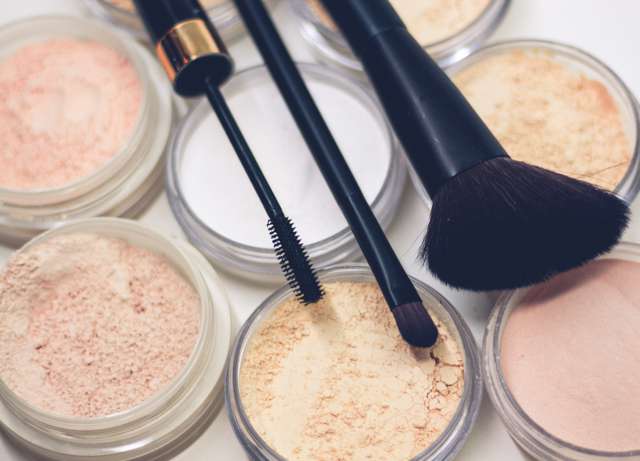
Interference pigments allow for the creation of dynamic cosmetics that appear to change based on angle. Image Source: Unsplash user Raphael Lovaski

Read  From Clear to Pure: Chemical and Colour Analysis in the Petrochemical Industry

Creating Multifaceted Colours With Interference Pigments

Duochrome makeup makes use of two distinct colours to create a changeable look. There’s the base colour, which is the colour that is seen all the time. Then, there’s the interference pigment, which might only be viewed from certain angles. Interference pigments have been in use in cosmetics since the 1970s to add new facets to an existing colour providing a shimmer, colour change or pearlescent appearance.1   Some of the more common interference pigments added to cosmetics include:2

  • Mica powder: Mica is commonly used as an interference pigment in some cosmetics due to its wide availability and relatively low cost when compared to other interference pigments.
  • Aluminum oxide: Otherwise known as Alumina, this interference pigment has a crystalline structure that lends itself to a wide variety of effects in cosmetics.
  • Silica flakes: Silica flakes are commonly used in conjunction with titanium dioxide to create a colour shifting appearance. While many other products shift in shades of white, this type of mineral can be used to shift in warmer shades, like adding a bit of red to blue or some of peach to yellow.
  • Titanium/Iron dioxide: These two minerals don’t usually create a colour effect themselves. Instead, they act as the carrier for effect colours, due to their excellent coverage and thickening abilities.  They can also be used as whitening agents.3

These are just a few of the interference pigments, as there are virtually millions of minerals that can be used to add depth to certain cosmetics and combinations of these minerals can drastically change the end result of makeup.

In some cases, however, that end result could be unappealing. Consider an instance where a company decides to add a titanium oxide-based interference pigment to a light pink lipstick. The interference pigment could overtake the colour, resulting in an end result that’s simply white. As such, interference pigments need to be used in combination with a well-chosen base colour to ensure they don’t overpower that base colour.

duochrome-cosmetics-3.jpg

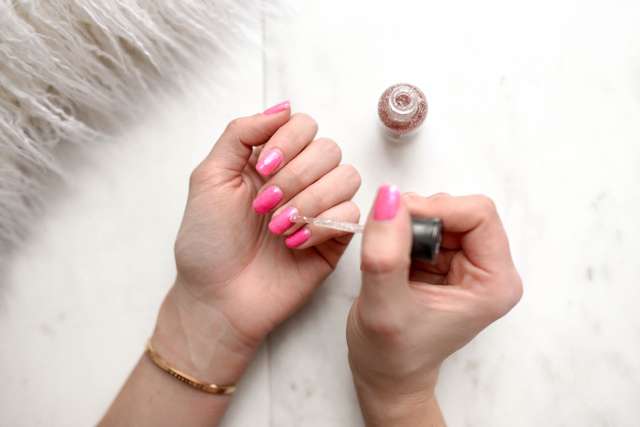
Spectrophotometers are critical for perfecting duochrome cosmetic formulations. Image Source: Unsplash user Element5 Digital

INFO  Get More Information

Using Spectrophotometers In Duochrome Cosmetic Creation

When creating a duochrome colour, manufacturers want two colours to be represented, if not more. This can be a challenge, as overpowering the base may result in a situation where it disappears entirely. To create two separate, distinct colour appearances based on angles, a very specific colour discovery process must be followed. Of particular importance is using spectrophotometric technology to establish a suitable base. Using a spectrophotometer, you can establish a base colour with the right shade and level of opacity necessary to successfully interact with your chosen interference pigments. Through objective colour measurement, you can closely analyze base behavior and establish an ideal formulation.

Spectrophotometers minimize the need to continuously experiment with various colour combinations as well as various cosmetic textures, as it allows a company to establish a perfect base quickly. This is critical in duochrome makeup, as the interference pigments used in this makeup can be costly and even scarce. By minimizing the time necessary to discover the perfect base colour, you are able to enhance the efficiency of the formulation process and eliminate unnecessary material waste. Once a product is in full-scale production, spectrophotometers can be used to continuously monitor colour within the production line to ensure that every batch is correctly formulated.

HunterLab Innovation

HunterLab has been at the forefront of colour measurement technology for over 60 years. Today, we offer a comprehensive line up of portable, benchtop, and on-line spectrophotometers ideally suited to the needs of the cosmetics industry. By combining state-of-the-art technologies with use-friendly design, our instruments offer the highest degree of accuracy and precision. Contact us to learn more about how our renowned spectrophotometers and customizable colour measurement software packages can improve your colour creation process.