About
BLOG

Interested in a little light reading?

Our blog is continually updated with helpful educational information, advises, research and insights—all in the name of helping you level-up your color and appearance needs. Grab a drink and enjoy our stories!

Explore Our Stories
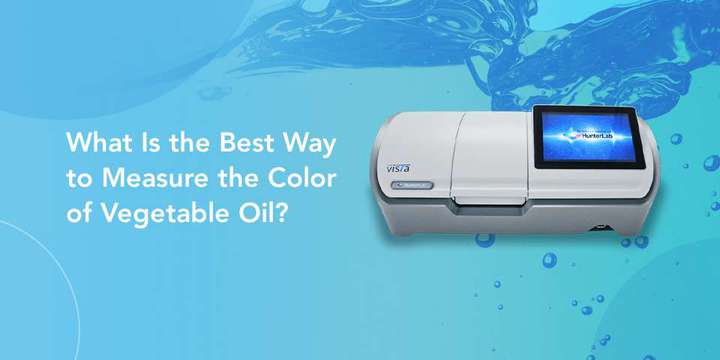
edible oils

"8 Ways Color and Appearance Measurement Can Improve the Production Quality of Edible Oils"

Read More

Explore Our Products

VIEW MORE

15-04-29-01b-fotolia_73315210-pouring-red-wine.jpg

"Color Measurement of Wine"

Read More
01-Grain-Industry-Color-Standards-R01.original.jpg

"Grain Industry Color Standards"

Read More
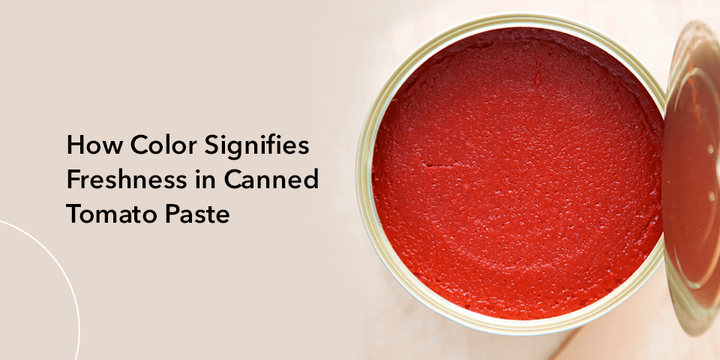
01HowDoesColorAffectQualityControlinTom.jpg

"How Does Color Affect Quality Control in Tomato Production?"

Read More
01-Best-Practices-to-Measure-the-Color-of-Candies.jpg

"Best Practices to Measure the Color of Candy"

Read More
01-What-Is-the-Best-Way-to-Measure-the-Color.jpg

"What Is the Best Way to Measure the Color of Herbs?"

Read More
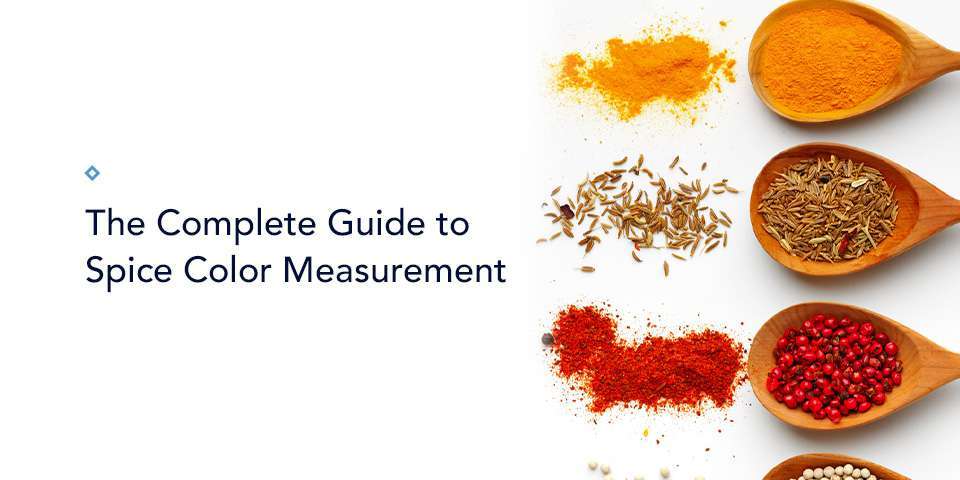
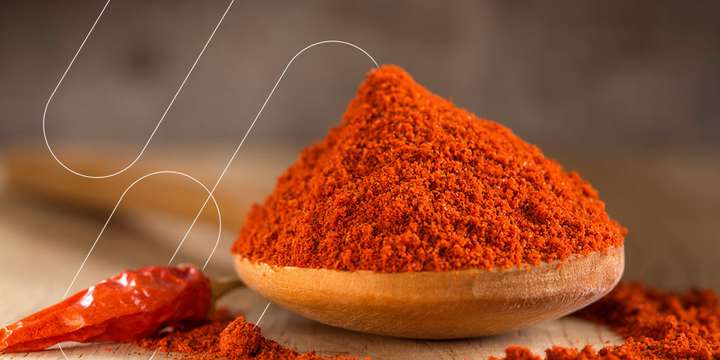
01-Top-5-Things-to-Know-About-Measuring-the.jpg

"Top 5 Things to Know About Measuring the Color of Seasonings"

Read More

8 Ways Color and Appearance Measurement Can Improve the Production Quality of Edible Oils

Posted on Dec 19, 2025 by HunterLab

Edible oils like palm oil, safflower oil, and olive oil have a distinctive color based on their ingredients and production techniques. Color measurement with a spectrophotometer can improve the production of edible oils, resulting in consistent quality and high sales.

Posted in Food

Color Measurement of Wine

Posted on Dec 19, 2025 by HunterLab

White wine can also be measured for lot-to-lot color consistency. Of quality concern in white wines is “pinking”, a slight reddish tint to what is typically a yellow/green product.

Wine is a natural product where some color variation is expected and accepted. High color comes from high anthocyanin content and high tannins associated with red wines. Color varies with wine processing practices, particularly fermentation temperature. Co-pigmentation in wine and berry colors, related to presence of anthocyanins, enhances the wine color.

Posted in Food

Grain Industry Color Standards

Posted on Dec 19, 2025 by HunterLab

Grains are integral to our everyday diets, from rice and flour to cereals, baked goods, and pasta. The color of raw grains contributes directly to their nutritional value, while the color of final goods can influence consumer buying preferences and quality perceptions. Understanding and following industry standards for grain color helps manufacturers maintain quality control, reduce waste, and boost customer satisfaction.

Applicable Color Standards in the Grains Industry

The United States Department of Agriculture is the main government oversight body for raw grains, and its color standards are used for classification and grading. Color can also help determine a grain's suitability for a specific application, as color variances can indicate damage that falls outside allowable tolerances for certain purposes.

The Cereals and Grains Association is the primary industry organization that develops color standards for grain manufacturers and processors. For example, the association has established color benchmarks and measuring methods for pasta products and durum flours. These standards are also compatible with those issued by AOAC International, which upholds standards across the broader agricultural chemistry field.

Posted in Food

How Does Color Affect Quality Control in Tomato Production?

Posted on Dec 19, 2025 by HunterLab

Tomatoes are essential in meeting global nutritional needs, improving health, and generating economic impact for communities worldwide. Billions depend on this crop — the second most grown vegetable on Earth — for better physical well-being and financial gain. As a result, color is a critical factor in quality control for tomato manufacturing.

The Role of Color in Tomato Quality Control

Tomato color influences customer preference, quality perceptions, grading classifications, and market value.

Meeting Consumer Preferences

Assessing color is one of the primary ways consumers make buying decisions. They see a tomato with a rich, red hue as a promise that it was harvested at the peak of freshness and flavor. Unripe ones and heirloom green varietals hint at a delightfully tart taste, perfect for a favorite Southern dish. Similar color associations exist for tomato-based products, such as tomato paste and sauce.

Beyond taste, tomatoes are prized for their nutraceutical content — they're high in several vitamins and minerals, antioxidants, and fiber that offer physical benefits. The more their color meets or exceeds customer expectations, the higher the consumer perceptions of the product's safety and quality. Increased confidence in those traits directly translates into a rise in purchase likelihood.

Conforming With Standards

Modern tomato processing facilities are covered entities under Title 21 of the Code of Federal Regulations, which subjects them to oversight by the Food and Drug Administration and the United States Department of Agriculture (USDA). As a result, they must follow Current Good Manufacturing Practices, which include measuring color as part of quality assurance. The USDA sets color tolerances for tomatoes to help determine their grade, meaning quantifying color is essential for proper classification.

Those operating under voluntary frameworks may also need to evaluate color for conformance with the guidelines. For example, the Safe Quality Food standards specify color analysis as a vital quality assurance measure under several codes.

Leveraging Financial Potential

Businesses that thrive often do so by maximizing their profitability, and color quality is a key driver in that quest. Generating high consumer quality perceptions through color can help goods fetch premium prices, as buyers with increased product confidence are frequently willing to pay more for extra peace of mind.

For companies seeking to expand, color quality becomes even more essential. Tomatoes and tomato-based products must meet specific standards to access new markets that can help spur organizational growth.

For example, the EU has multiple standards that apply to imported tomatoes and tomato-based products. These help establish the minimum grades acceptable for sale within the bloc, and color is a primary determinant in that classification. Individual EU countries may also impose their own standards for the crop and its processed goods. Accurately quantifying color to prove conformance with the standards makes it easier to access these high-value markets.

Posted in Food

Best Practices to Measure the Color of Candy

Posted on Dec 19, 2025 by HunterLab

Color is one of the first things that comes to mind when thinking of candy, as this sweet comes in a rainbow of vibrant hues. The importance of appearance in candy means that those who manufacture it should follow industry best practices to ensure an enjoyable consumer experience.

Consider the Importance of Color

Before you start measuring, note why color matters in candy. Consumers judge food based on appearance, and color sets expectations for quality and taste. Beyond those expectations, color influences whether customers buy a product. They repeatedly turn to brands that offer color consistency as a reliable indicator of quality.

Posted in Food

What Is the Best Way to Measure the Color of Herbs?

Posted on Dec 19, 2025 by HunterLab

Herbs add flavor and visual appeal to food, making proper quality control processes essential in production. In mixed herbs, nonuniform piece shapes and sizes may make measurement more challenging. This challenge calls for a specialized device and proper techniques to maintain high product quality and consumer appeal.

Use the Right Measurement Method

Several measurement methods exist for herb color assessment, including visual comparisons. However, these techniques come with challenges, such as differences in how each individual perceives color. Collecting quantitative data on herb color using a spectrophotometer is a vastly more accurate method. This device uses a controlled light source and detector to quantify light wavelengths and create specific numerical values. 

Posted in Food

Top 5 Things to Know About Measuring the Color of Seasonings

Posted on Dec 19, 2025 by HunterLab

Color consistency in seasonings is crucial to your product's success with consumers, and chromatic data lets you know your goods fall within allowable tolerances. Exploring the top five things to know about measuring the color of seasonings enables you to achieve consistency and improve product quality.

1. Understand How Color Influences Your Customers' Buying Decisions

Seasonings bring products to life with a unique flavor that your consumers crave, but visual inspection is the first experience these customers have with your goods. Color becomes an important indicator in consumers' choices since they equate it with flavor, quality, and desirability. No matter how tasty your seasoning is, customers will pass on your products if they don't meet color expectations. 

2. Choose the Right Measurement Method for Their Physical Traits

Seasonings present unique measurement challenges due to their physical properties — they often feature components with different sizes, shapes, or textures. For example, everything bagel seasoning has small, round poppy seeds combined with larger, flatter sesame seeds and flakes of sea salt, minced onion, and dried garlic. These nonuniform traits require reflectance measurements to quantify color accurately.

Posted in Food
Prev
1
2
3
…
Next

Most Related Posts

  • 8 Ways Color and Appearance Measurement Can Improve the Production Quality of Edible Oils
  • Color Measurement of Wine
  • Grain Industry Color Standards
  • How Does Color Affect Quality Control in Tomato Production?
  • Best Practices to Measure the Color of Candy
  • What Is the Best Way to Measure the Color of Herbs?
  • Top 5 Things to Know About Measuring the Color of Seasonings
More

Follow us on social

  • LinkedIn
  • YouTube
  • facebook
  • X
  • instagram