About
BLOG

Interested in a little light reading?

Our blog is continually updated with helpful educational information, advises, research and insights—all in the name of helping you level-up your color and appearance needs. Grab a drink and enjoy our stories!

Explore Our Stories
Top-4-Things-to-Know-About-Measuring.jpg

"Top 5 Things You Need to Know About Measuring the Color of Transparent Sheet Plastic"

Read More

Explore Our Products

VIEW MORE

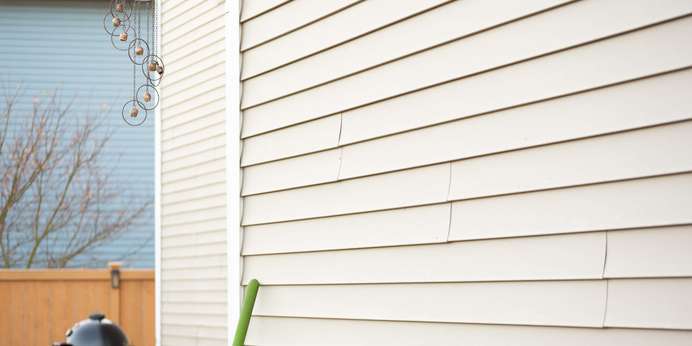
vinyly-sliding

"Things to Know About Measuring the Color of Vinyl Siding"

Read More
GettyImages-1207988.jpg

"What Is the Best Way to Measure the Color of Plastic Bottles?"

Read More
01-WhatStandardDoIUsetoVerifyYellowness.jpg

"What Standard Do I Use to Verify Yellowness Index Performance?"

Read More
01-The-Top-5-Things-You-Need-to-Know-About-Meas

"The Top 6 Things You Need to Know About Measuring the Color of Plastic Bottles"

Read More
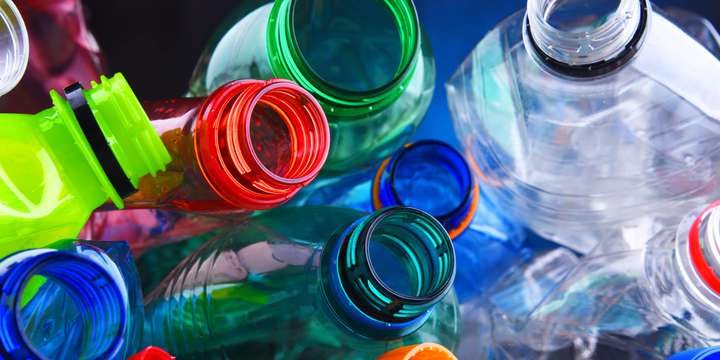
Colorful plastic bottles without lids

"Best Practices for Measuring the Color of Plastic Bottles"

Read More
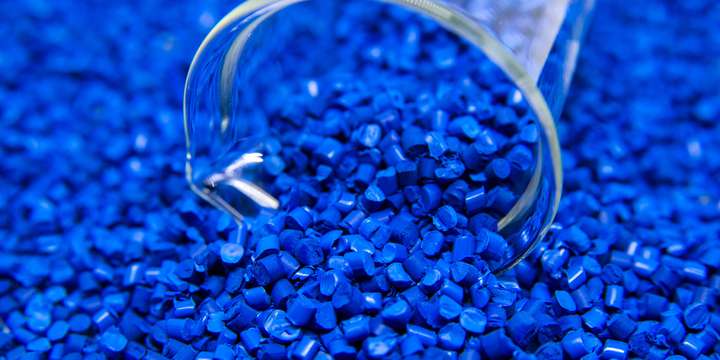
A large pile of blue recycled pellets

"The Best Way to Measure the Color of Recycled Pellets"

Read More

Top 5 Things You Need to Know About Measuring the Color of Transparent Sheet Plastic

Posted on Dec 19, 2025 by HunterLab

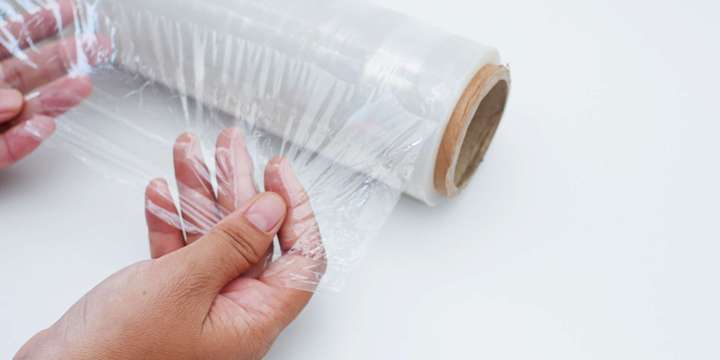
Manufacturers of transparent plastics know all too well that haze can present challenges in achieving the desired outcomes. Too much scattering of the transmitted light produces a cloudy appearance that impacts consumer quality perceptions of quality and buying decisions. As a result, upholding consistent quality requires sophisticated tools that accurately and scientifically quantify color and haze.

Spectrophotometers inspect these attributes objectively, providing numerical values to compare. These devices help eliminate product appearance variations so you can regularly and effectively meet consumer expectations for quality.

Choose the Right Color Spectrophotometer

Benchtop spectrophotometers are ideal for measuring color and ensuring uniformity in plastic products. To ensure consistency, manufacturers should measure points across the entire range of production.

Using a spectrophotometer to measure the color of transparent sheet plastic offers several benefits, such as:

  • Accurate data: Spectrophotometers provide reliable color data that reflects its actual color.
  • Repeatability: These instruments provide a repeatable way to measure color, minimizing errors and facilitating consistent color throughout production.
  • Standard compliance: HunterLab's spectrophotometers follow industry standards for color measurement, ensuring consistency across the supply chain.

Posted in Plastic

Things to Know About Measuring the Color of Vinyl Siding

Posted on Dec 19, 2025 by HunterLab

Consistent quality and aesthetics are paramount in the competitive world of building materials. For vinyl siding manufacturers, achieving consistent color across production batches is crucial for customer satisfaction and brand reputation. 

Here at HunterLab, we offer state-of-the-art spectrophotometers, advanced quality control software and expert techniques to help you maintain color consistency throughout your vinyl siding production processes.

Understanding the Challenges of Measuring the Color of Vinyl Siding 

Even slight color variations can lead to rejections, returns, and lost revenue. Visually assessing vinyl siding is not enough to achieve accurate, repeatable results and can lead to mismatched siding panels.

Measuring the color of vinyl siding presents unique challenges compared to other materials. Some of these challenges include:

  • Texture variations: Vinyl siding often has a textured surface that can affect light interaction. HunterLab's spectrophotometers have advanced features that can compensate for surface texture variations. They ensure accurate readings regardless of the siding's texture.
  • Large panel sizes: Larger panels magnify any variation in the manufacturing process, from raw material differences to pigment distribution and alterations occurring in storage. A spectrophotometer accurately quantifies color at every stage to help ensure consistent, precise results.

Posted in Plastic

What Is the Best Way to Measure the Color of Plastic Bottles?

Posted on Dec 19, 2025 by HunterLab

The use of plastic bottles in liquid packaging first became popular in the 1950s and 1960s. Today, plastic's cost-effectiveness, durability and recyclability have made it the go-to material for bottles among most major companies. Throughout the manufacturing of these bottles, it is vital that processors maintain accurate coloration. Any product entering the sales market should be uniform and consistent, down to the label and the packaging. This level of precision calls for specialized tools — and HunterLab provides them.

The Power of Spectrophotometers 

When you need to measure the color of plastic bottles, spectrophotometers offer the most objective and precise results. A spectrophotometer measures how light reflects off the bottle and uses those measurements to produce a numerical value in line with some of the most well-known color indices. 

Spectrophotometers make it easy for any brand to streamline its coloration practices and increase product consistency. Their use can translate to major benefits in:

  • Brand identity: Plastic bottles can be manufactured in almost any color, so many brands produce their bottles using a unique pigment combination to set them apart. Coloring bottles consistently allows you to establish your own look that consumers will begin to recognize over time, even before they see the label.

  • Consumer satisfaction: Changes in any part of your product or its packaging — including a significant color departure — can signal to loyal consumers that your product has changed in some way. By keeping your colors consistent, you can put consumers at ease and ensure they stay with your brand instead of choosing a competitor. 

Posted in Plastic

What Standard Do I Use to Verify Yellowness Index Performance?

Posted on Dec 19, 2025 by HunterLab

The Yellowness Index from ASTM International provides a measurable standard for assessing the yellowness in white or light-colored materials, such as plastics. This standard determines the degree of yellowness present, allowing companies to perform quality control processes to maintain product consistency. The test uses a spectrophotometer to quantify the color measurement.

The APHA color system is the most common measurement scale for measuring yellowness in liquids. It serves industries ranging from chemical production to pharmaceutical development.

Materials That Require Yellowness Observations

Various plastics require yellowness observations due to the changes these materials undergo in processing. These plastics include:

  • Polyvinyl chloride (PVC)
  • Polycarbonate (PC)
  • Purified terephthalic acid (PTA)
  • Polyethylene terephthalate (PET)

Yellowness appears in PET due to oxidation. With the increasing use of recycled PET (rPET), manufacturers must measure color to counter yellowness and determine the correct ratio of optical brighteners required to mitigate it.

What Is the Yellowness Index?

The Yellowness Index (YI) measures yellowness due to product changes. The ASTM E313 Yellowness Index is the most common method for determining yellowness in materials like plastics. The standard gives defined indices for measuring the shift from ideal white. It is calculated according to the following formula:

YI = (100CxX - CzZ)/Y

The X, Y, and Z variables are CIE Tristimulus values, which express color and how it is perceived. Cx and Cz depend on the illuminant and observer. During calculations, users choose the values for these coefficients from a table to correspond with spectrophotometer settings. The ASTM E313 combines the calculations into a single value, defining the yellowness amount in a sample. The lower the number, the less yellow the material is.

The YI value is commonly reported as the difference in yellowness between a product sample and the original or reference, designated as delta YI (∆YI).

Posted in Plastic

The Top 6 Things You Need to Know About Measuring the Color of Plastic Bottles

Posted on Dec 19, 2025 by HunterLab

Plastic bottles are the standard packaging for many products, from juice, soda, and condiments to laundry detergent. That means you need yours to stand out. Color can play a major role in differentiating your brand and increasing your products' appeal, especially when it's consistent. Here's what you need to know about measuring color in plastic bottles.

1. Consistent Color Builds Consumer Trust

Sight is one of the first senses we use when shopping. Color is essential in the decision-making process of potential buyers, even if they don't realize it. When you go to the store, you look for what's familiar to you. So do your customers. By creating and distributing a product with consistent coloration and packaging, you signal to everyone that you care about the appearance, presentation and effects of your offerings from one batch to the next.

2. Plastic Bottle Color Is Part of Your Brand Identity

When you create a color formula that's different enough from everyone else's, your plastic bottles can set your brand apart. Loyal customers will begin to associate that color with your name over time. If the color changes, many will wonder if what's inside the bottle is different, too.

Posted in Plastic

Best Practices for Measuring the Color of Plastic Bottles

Posted on Dec 19, 2025 by HunterLab

At HunterLab, we've spent more than 70 years becoming experts in the field of color measurement and observing how product coloration affects consumer preferences. We've learned that color is vital in every aspect of product marketing, from the product itself to all its packaging. We've produced solutions that enable manufacturers to measure color accurately in many products, including plastic bottles. 

What Influences the Color of Plastic?

Plastic is known for its versatility. The material can be molded and colored in almost any way — and the color is baked into the plastic itself, so it has little chance of fading or changing once it's been cured. Still, some factors may change the way your plastic bottles look in stores, such as:

  • Light: At its core, color measurement is about assessing how light interacts with an object to produce the color we perceive. Different types of light can make colors on the same object appear differently to the human eye.
  • Opacity: Just as plastic can be made into any color, it can come in various opacities. From completely opaque to clear and transparent, differences in translucence will change the way your bottles' color is perceived.
  • Gloss: Gloss is a measure of an object's reflectance, which more or less refers to how shiny something is. A glossier piece of plastic is more reflective, which affects the appearance of the color underneath.

Posted in Plastic

The Best Way to Measure the Color of Recycled Pellets

Posted on Dec 19, 2025 by HunterLab

The Best Way to Measure the Color of Recycled Pellets

Are you searching for an objective way to measure the color of your recycled pellets? The best method for measuring the color of recycled pellets is through a spectrophotometer. These devices analyze plastic samples and generate data representing the color of the pellets. Unlike visual assessment, spectrophotometers drop subjectivity and ensure consistent color evaluation throughout production. 

Factors That Affect the Color of Recycled Plastic Pellets

Unlike virgin plastic resins with controlled color properties, recycled pellets are prone to changes throughout the manufacturing process. Several factors can influence the color of recycled pellets, such as:

  • The source material: Recycled plastic originates from various post-consumer and industrial waste sources. Pigments and dyes used in the original plastics contribute to the final color of the recycled pellets.
  • Contamination: Foreign materials like food residues and inks can be present in recycled plastic waste, affecting the pellets' color.
  • Degradation: Exposure to sunlight, heat, and weathering during the plastic's lifecycle can lead to pigment deterioration in the recycled pellets. 

Posted in Plastic
Prev
1
2
3
…
Next

Most Related Posts

  • Top 5 Things You Need to Know About Measuring the Color of Transparent Sheet Plastic
  • Things to Know About Measuring the Color of Vinyl Siding
  • What Is the Best Way to Measure the Color of Plastic Bottles?
  • What Standard Do I Use to Verify Yellowness Index Performance?
  • The Top 6 Things You Need to Know About Measuring the Color of Plastic Bottles
  • Best Practices for Measuring the Color of Plastic Bottles
  • The Best Way to Measure the Color of Recycled Pellets
More

Follow us on social

  • LinkedIn
  • YouTube
  • facebook
  • X
  • instagram