About
BLOG

Interested in a little light reading?

Our blog is continually updated with helpful educational information, advises, research and insights—all in the name of helping you level-up your color and appearance needs. Grab a drink and enjoy our stories!

Explore Our Stories
natural_food_dye

"How Food Brands Like You Switch from Synthetic to Natural Dyes"

Read More

Explore Our Products

VIEW MORE

natural_food_dye

"How Food Brands Like You Switch from Synthetic to Natural Dyes"

Read More
01-Best-Practices-for-Measuring-saflower

"Best Practices for Measuring the Color of Safflower Oil"

Read More
01-Best-Practices-for-Measuring-saflower

"Best Practices for Measuring the Colour of Safflower Oil"

Read More
01-Best-Practices-for-Measuring-saflower

"Best Practices for Measuring the Color of Safflower Oil"

Read More
liquid-fragrance-sample.webp

"Do you have a source for color standards related to fruits and vegetables?"

Read More
liquid-fragrance-sample.webp

"Do you have a source for colour standards related to fruits and vegetables?"

Read More

How Food Brands Like You Switch from Synthetic to Natural Dyes

Posted on Jun 11, 2026 by HunterLab

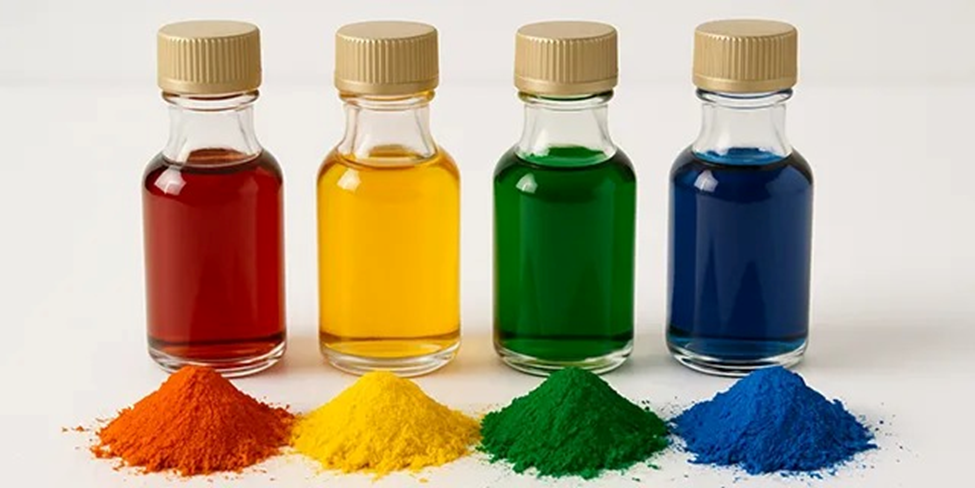
Color isn't just visual—it's emotional. It shapes how we feel about the food we eat and the trust we place in the brands behind it. Now, more than ever, that trust is being tested. With growing evidence that synthetic food dyes like Red No. 40 and Yellow No. 5 may harm children's health, and with global regulators stepping in, food manufacturers face a moral and market imperative: it's time to go natural.

The 2025 Make America Healthy Again (MAHA) Report has sent a clear signal—reformulate or be left behind. But moving away from synthetic dyes isn't just about compliance. It's about delivering safer, cleaner, and emotionally resonant food experiences. And that’s where HunterLab comes in.

Why Synthetic Food Dyes Are Being Banned

From hyperactivity in children to outdated FDA safety standards, synthetic dyes have become a public health concern. The MAHA Report, backed by federal agencies, is pushing for urgent reevaluation. Europe has long since labeled or banned these additives—and the U.S. is finally catching up.

For food brands, the message is clear: if you're still using petrochemical dyes, your products—and your reputation—are at risk.

Scientific Challenges of Going Natural

Switching from synthetic to natural colorants isn’t easy. Food scientists must solve for:

  • Stability: Natural dyes degrade in heat, light, or acidic conditions.
  • pH Sensitivity: Color shifts based on a product’s pH.
  • Flavor Impact: Many natural pigments affect taste.
  • Consistency: Batch-to-batch variation in natural ingredients.
  • Supply & Cost: Natural colors are costlier and harder to scale.

Posted in Food

How Food Brands Like You Switch from Synthetic to Natural Dyes

Posted on Jun 11, 2026 by HunterLab

Color isn't just visual—it's emotional. It shapes how we feel about the food we eat and the trust we place in the brands behind it. Now, more than ever, that trust is being tested. With growing evidence that synthetic food dyes like Red No. 40 and Yellow No. 5 may harm children's health, and with global regulators stepping in, food manufacturers face a moral and market imperative: it's time to go natural.

The 2025 Make America Healthy Again (MAHA) Report has sent a clear signal—reformulate or be left behind. But moving away from synthetic dyes isn't just about compliance. It's about delivering safer, cleaner, and emotionally resonant food experiences. And that’s where HunterLab comes in.

Why Synthetic Food Dyes Are Being Banned

From hyperactivity in children to outdated FDA safety standards, synthetic dyes have become a public health concern. The MAHA Report, backed by federal agencies, is pushing for urgent reevaluation. Europe has long since labeled or banned these additives—and the U.S. is finally catching up.

For food brands, the message is clear: if you're still using petrochemical dyes, your products—and your reputation—are at risk.

Scientific Challenges of Going Natural

Switching from synthetic to natural colorants isn’t easy. Food scientists must solve for:

  • Stability: Natural dyes degrade in heat, light, or acidic conditions.
  • pH Sensitivity: Color shifts based on a product’s pH.
  • Flavor Impact: Many natural pigments affect taste.
  • Consistency: Batch-to-batch variation in natural ingredients.
  • Supply & Cost: Natural colors are costlier and harder to scale.
Posted in Food

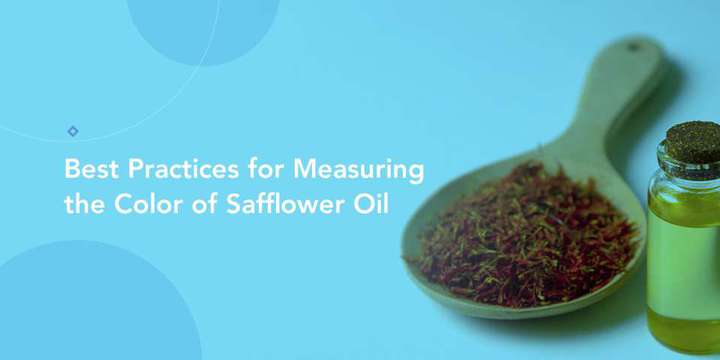
Best Practices for Measuring the Color of Safflower Oil

Posted on May 25, 2026 by HunterLab

紅花油の汎用性は多くの企業と消費者に価値をもたらす。調理においては発煙点が高いため、揚げ物用の植物油の代替として有効である。化粧品メーカーは肌への優しさを評価し、芸術家は絵具の調合に亜麻仁油よりも好んで使用する。

一貫した色調は、製品が風味・品質・安全性の期待を満たすことを保証し、加工工程のあらゆる段階で紅花油の正確な色測定の必要性を強調しています。

紅花油の色に影響を与える要因は何か?

天然原料の差異から加工・貯蔵方法の変化に至るまで、様々な要因が紅花油の色に影響を及ぼす可能性があります:

  • 種皮と花弁:ベニバナの種皮と花弁の色は、代謝産物やリノール酸の色を変化させ、油の色調の差異を生じさせる。
  • 焙煎温度: 焙煎中に温度が上昇するにつれ、種子の色は淡い黄色から黄金色、さらに深い茶色へと変化します。
  • 保存方法: 保存環境における光や空気の質の違いにより、油は著しい変化を起こす可能性があります。例えば、長時間の過剰な光や紫外線への曝露は、ベニバナ油を褪色させることがあります。

Posted in Food

Best Practices for Measuring the Colour of Safflower Oil

Posted on May 25, 2026 by HunterLab

Safflower oil's versatility brings value to many businesses and consumers. In cooking, it's a viable substitute for frying in vegetable oils since it has a high smoke point. Cosmetics manufacturers prize it for its skin friendliness, while artists prefer it over linseed oil for paint blending.

Consistent colour helps ensure the product meets flavor, quality, and safety expectations, underscoring the need for accurate colour measurement of safflower oil at every processing stage.

What Impacts Safflower Oil Colour?

Factors ranging from natural raw material differences to changes in processing and storage can all impact safflower oil colour:

  • Seed coat and petals: A safflower's seed coat and petal colour can alter the colour of metabolites and linoleic acid, producing colour variations in the oil.
  • Roasting temperatures: As temperatures rise during roasting, seed colour can transform from pale yellow to golden to a deeper brown.
  • Storage: The oil can undergo substantial changes in storage if subject to lighting and air quality differences. For example, extended and excess light or UV ray exposure can bleach safflower oil.

Posted in Food

Best Practices for Measuring the Color of Safflower Oil

Posted on Mar 30, 2026 by HunterLab

Safflower oil's versatility brings value to many businesses and consumers. In cooking, it's a viable substitute for frying in vegetable oils since it has a high smoke point. Cosmetics manufacturers prize it for its skin friendliness, while artists prefer it over linseed oil for paint blending.

Consistent color helps ensure the product meets flavor, quality, and safety expectations, underscoring the need for accurate color measurement of safflower oil at every processing stage.

What Impacts Safflower Oil Color?

Factors ranging from natural raw material differences to changes in processing and storage can all impact safflower oil color:

  • Seed coat and petals: A safflower's seed coat and petal color can alter the color of metabolites and linoleic acid, producing color variations in the oil.
  • Roasting temperatures: As temperatures rise during roasting, seed color can transform from pale yellow to golden to a deeper brown.
  • Storage: The oil can undergo substantial changes in storage if subject to lighting and air quality differences. For example, extended and excess light or UV ray exposure can bleach safflower oil.

Posted in Food

Do you have a source for color standards related to fruits and vegetables?

Posted on Mar 18, 2026 by HunterLab

USDA/AMS es la fuente más general de normas visuales de color para frutas y hortalizas y ofrece un catálogo de comparadores de color y equipos que tienen disponibles.

Catálogo de equipos del USDA para inspecciones de productos frescos y procesados está disponible en internet Servicio de Comercialización Agrícola y se facilita a través de:

Subdivisión de Productos Transformados

División de Frutas y Hortalizas, AMS

Departamento de Agricultura de EE.UU.

Apartado de correos 96456, Rm. 0709, So. Bldg.

Washington, D.C. 20090-6456

www.ams.usda.gov

Puede solicitar a USDA Visual Color Standards y otros equipos relacionados con frutas y verduras:

Equipamiento & Depósito de formularios

USDA, AMS, FVP, SCI

831 Mitten Road, despacho 200

Burlingame, CA 94010 EE.UU.

+650-552-9073

FVSupplyDepot@ams.usda.gov

Posted in Food

Do you have a source for colour standards related to fruits and vegetables?

Posted on Mar 18, 2026 by HunterLab

USDA/AMS is the most general source for visual colour standards for fruits and vegetables and offers a catalogue of colour comparators and equipment they have available.

USDA Equipment Catalog for Fresh and Processed Products Inspections is available on the internet Agricultural Marketing Service and provided through:

Processed Products Branch

Fruit and Vegetable Division, AMS

U.S. Department of Agriculture

P.O. Box 96456, Rm. 0709, So. Bldg.

Washington, D.C. 20090-6456

www.ams.usda.gov

USDA Visual Colour Standards and other equipment related to fruits and vegetables can be ordered from:

Equipment & Forms Depot

USDA, AMS, FVP, SCI

831 Mitten Road, Room 200

Burlingame, CA 94010 USA

+650-552-9073

FVSupplyDepot@ams.usda.gov

Posted in Food
Prev
1
2
3
…
Next

Most Related Posts

  • How Food Brands Like You Switch from Synthetic to Natural Dyes
  • How Food Brands Like You Switch from Synthetic to Natural Dyes
  • Best Practices for Measuring the Color of Safflower Oil
  • Best Practices for Measuring the Colour of Safflower Oil
  • Best Practices for Measuring the Color of Safflower Oil
  • Do you have a source for color standards related to fruits and vegetables?
  • Do you have a source for colour standards related to fruits and vegetables?
View More Related Posts

Follow us on social

  • LinkedInFollow us on LinkedIn
  • YouTubeFollow us on YouTube
  • facebookFollow us on Facebook
  • XFollow us on X (formerly Twitter)
  • instagramFollow us on Instagram