About
ブログ

軽い読み物に興味はありますか?

当ブログでは、色と見た目のニーズを向上させるための役立つ教育情報、アドバイス、研究結果、洞察を継続的に更新しています。ドリンクを片手に、私たちのストーリーをお楽しみください!

Explore Our Stories
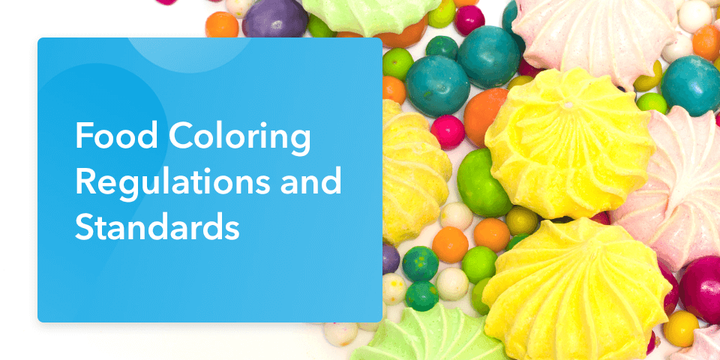
01-Food-Coloring-Regulations-and-Standards.png

"Food Coloring Regulations and Standards"

Read More

Explore Our Products

VIEW MORE

01-Food-Coloring-Regulations-and-Standards.png

"Food Coloring Regulations and Standards"

Read More
01-Food-Coloring-Regulations-and-Standards.png

"Food Coloring Regulations and Standards"

Read More
01-Food-Coloring-Regulations-and-Standards.png

"Food Coloring Regulations and Standards"

Read More
01-Food-Coloring-Regulations-and-Standards.png

"Food Coloring Regulations and Standards"

Read More
01-Food-Coloring-Regulations-and-Standards.png

"Food Coloring Regulations and Standards"

Read More
rsz_01-everything-you-need-to-know-about-dye-allergies.jpg

"Everything You Need to Know About Dye Allergies"

Read More

Food Coloring Regulations and Standards

Posted on 3月 19, 2026 by HunterLab

In den letzten 100 Jahren hat der Einsatz von Lebensmittelfarbstoffen in Lebensmitteln drastisch zugenommen. Diese Entwicklung ist zum Teil darauf zurückzuführen, dass Hersteller zunehmend Wert darauf legen, Lebensmittel ansprechender aussehen zu lassen, ihre Haltbarkeit zu verlängern und möglichst viele Verbraucher anzusprechen. Die US-amerikanische Food and Drug Administration (FDA) erlegt strenge Vorschriften und Standards für die Zulassung künstlicher Lebensmittelfarbstoffe sowie für die Art und Weise fest, wie Lebensmittelproduzenten und -hersteller diese Farbstoffe in ihren Produkten verwenden dürfen. Erfahren Sie mehr über die von der FDA festgelegten Standards für Lebensmittelfarbstoffe, einschließlich der Technologien, die Ihr Unternehmen einsetzen kann, um die Vorschriften einzuhalten.

Was ist Lebensmittelfarbe?

Lebensmittelfarbstoffe sind chemische Substanzen, die dazu dienen, das Aussehen eines Lebensmittels zu verändern oder zu verbessern. Drei Farbstoffe machen 90 % aller verwendeten Lebensmittelfarbstoffe aus – Rot 40, Gelb 5 und Gelb 6.

Die Verwendung von Farbstoffen ist keine neue Technologie. Natürliche Lebensmittelfarben wurden bereits 300 v. Chr. zur Färbung von Wein verwendet. Zu den frühen Experimenten mit Farbstoffen gehörten natürlich vorkommende Farbstoffe aus bestimmten Gewürzen und Metalloxiden, wie Safran und Kupfersulfat.

Der erste synthetische organische Farbstoff – „Mauve“ genannt – wurde 1856 entdeckt. Mauve war der erste von vielen synthetischen Farbstoffen, die durch die Verarbeitung von Kohle gewonnen wurden und daher als „Kohlenteerfarbstoffe“ bezeichnet wurden. Die staatliche Regulierung von Farbstoffzusätzen begann einige Jahrzehnte später, in den 1880er Jahren.

Woraus bestehen Lebensmittelfarben?

Künstliche Lebensmittelfarbstoffe werden aus Erdöl gewonnen. Es gibt drei mögliche Klassifizierungen für Lebensmittelfarbstoffe:

  • Einfarbige Stoffe: Einfarbige Stoffe sind frei von den meisten Verunreinigungen und wurden weder mit anderen Stoffen vermischt noch chemisch verändert.
  • B Lakes:B Lakes entstehen durch eine chemische Reaktion, die stattfindet, wenn eine reine Farbe mit Fällungsmitteln oder Substraten wie Aluminiumoxid, Titandioxid und Zink vermischt wird.
  • Mischungen: Mischungen entstehen durch die Kombination eines Farbstoffs mit einem anderen Farbstoff oder einem farblosen Verdünnungsmittel, wobei keine chemische Reaktion stattfindet.

Posted in Color And Appearance Theory

Food Coloring Regulations and Standards

Posted on 3月 19, 2026 by HunterLab

In the past 100 years, the amount of food coloring used in food has increased drastically. This shift is due in part to manufacturers’ growing emphasis on making food look more appealing, last longer and attract as many consumers as possible. The U.S. Food and Drug Administration (FDA) imposes strict regulations and standards for the approval of artificial food dyes and how food producers and manufacturers are permitted to use those dyes in their products. Learn more about food color standards established by the FDA, including what technology your business can use to operate within regulation.

What Is Food Coloring?

Food coloring and food dyes are chemical substances used to alter or enhance the appearance of a food product. Three color additives make up 90% of all used food dye — Red 40, Yellow 5 and Yellow 6.

Using color additives or dyes is not a new technology. Natural food colors were used to color wine as early as 300 B.C. Early dye experimentation included naturally occurring color found in some spices and metal oxides, like saffron and copper sulfate.

The first synthetic organic dye — called mauve — was discovered in 1856. Mauve was the first of many discovered synthetic dyes produced via coal processing, earning them the title “coal-tar colors.” Federal regulation of color additives began a few decades later, in the 1880s.

What Is Food Coloring Made Of?

Artificial food coloring is derived from petroleum. There are three possible classifications for a food dye:

  • Straight colors: Straight colors are free from most impurities and have not been mixed or chemically altered with other substances.
  • Lakes: Lakes are the product of a chemical reaction that takes place after combining a straight color with precipitants or substrata of things like alumina, titanium dioxide and zinc.
  • Mixtures: Mixtures are made by combining a color additive with another color additive or a non-colored diluent, which produces no chemical reaction.

Posted in Color And Appearance Theory

Food Coloring Regulations and Standards

Posted on 3月 19, 2026 by HunterLab

In the past 100 years, the amount of food coloring used in food has increased drastically. This shift is due in part to manufacturers’ growing emphasis on making food look more appealing, last longer and attract as many consumers as possible. The U.S. Food and Drug Administration (FDA) imposes strict regulations and standards for the approval of artificial food dyes and how food producers and manufacturers are permitted to use those dyes in their products. Learn more about food color standards established by the FDA, including what technology your business can use to operate within regulation.

What Is Food Coloring?

Food coloring and food dyes are chemical substances used to alter or enhance the appearance of a food product. Three color additives make up 90% of all used food dye — Red 40, Yellow 5 and Yellow 6.

Using color additives or dyes is not a new technology. Natural food colors were used to color wine as early as 300 B.C. Early dye experimentation included naturally occurring color found in some spices and metal oxides, like saffron and copper sulfate.

The first synthetic organic dye — called mauve — was discovered in 1856. Mauve was the first of many discovered synthetic dyes produced via coal processing, earning them the title “coal-tar colors.” Federal regulation of color additives began a few decades later, in the 1880s.

What Is Food Coloring Made Of?

Artificial food coloring is derived from petroleum. There are three possible classifications for a food dye:

  • Straight colors: Straight colors are free from most impurities and have not been mixed or chemically altered with other substances.
  • Lakes: Lakes are the product of a chemical reaction that takes place after combining a straight color with precipitants or substrata of things like alumina, titanium dioxide and zinc.
  • Mixtures: Mixtures are made by combining a color additive with another color additive or a non-colored diluent, which produces no chemical reaction.

Posted in Color And Appearance Theory

Food Coloring Regulations and Standards

Posted on 3月 19, 2026 by HunterLab

過去100年間で、食品に使用される着色料の量は劇的に増加した。この変化は、食品をより魅力的に見せ、長持ちさせ、できるだけ多くの消費者を惹きつけることを重視する製造業者の増加によるところもある。米国食品医薬品局(FDA)は、人工着色料の認可と、食品製造業者やメーカーが製品にそれらの着色料を使用することを許可する方法について、厳しい規制と基準を課しています。FDAが定める食用色素の基準について、規制の範囲内で事業を運営するためにどのような技術を使用できるかなど、詳細をご覧ください。

着色料とは何か?

食品着色料および食品色素は、食品の外観を変えたり、高めたりするために使用される化学物質である。使用されている食用色素の90%は、赤色40号、黄色5号、黄色6号である。

着色料や染料を使うのは新しい技術ではない。天然の食用色素は、紀元前300年にはワインを着色するために使われていた。初期の染料実験には、いくつかのスパイスに含まれる天然由来の色や、サフランや硫酸銅のような金属酸化物も含まれていた。

最初の有機合成染料は1856年に発見された。モーヴは、石炭加工によって製造された多くの合成染料の中で最初に発見されたもので、"コールタール色素 "と呼ばれた。着色料の連邦規制が始まったのは、それから数十年後の1880年代である。

食用色素は何でできているのか?

人工着色料は石油由来である。食用色素には3つの分類がある:

  • ストレートカラー:ストレートカラーは、ほとんどの不純物を含まず、他の物質と混合されたり化学的に変化していないものです。
  • 湖: 湖は、アルミナ、二酸化チタン、亜鉛などの沈殿物や下地とストレートカラーを組み合わせた後に起こる化学反応の産物である。
  • 混合物:混合物は、化学反応を起こさない別の着色添加剤または非着色希釈剤と着色添加剤を組み合わせることによって作られる。

Posted in Color And Appearance Theory

Food Coloring Regulations and Standards

Posted on 3月 19, 2026 by HunterLab

In the past 100 years, the amount of food coloring used in food has increased drastically. This shift is due in part to manufacturers’ growing emphasis on making food look more appealing, last longer and attract as many consumers as possible. The U.S. Food and Drug Administration (FDA) imposes strict regulations and standards for the approval of artificial food dyes and how food producers and manufacturers are permitted to use those dyes in their products. Learn more about food color standards established by the FDA, including what technology your business can use to operate within regulation.

What Is Food Coloring?

Food coloring and food dyes are chemical substances used to alter or enhance the appearance of a food product. Three color additives make up 90% of all used food dye — Red 40, Yellow 5 and Yellow 6.

Using color additives or dyes is not a new technology. Natural food colors were used to color wine as early as 300 B.C. Early dye experimentation included naturally occurring color found in some spices and metal oxides, like saffron and copper sulfate.

The first synthetic organic dye — called mauve — was discovered in 1856. Mauve was the first of many discovered synthetic dyes produced via coal processing, earning them the title “coal-tar colors.” Federal regulation of color additives began a few decades later, in the 1880s.

What Is Food Coloring Made Of?

Artificial food coloring is derived from petroleum. There are three possible classifications for a food dye:

  • Straight colors: Straight colors are free from most impurities and have not been mixed or chemically altered with other substances.
  • Lakes: Lakes are the product of a chemical reaction that takes place after combining a straight color with precipitants or substrata of things like alumina, titanium dioxide and zinc.
  • Mixtures: Mixtures are made by combining a color additive with another color additive or a non-colored diluent, which produces no chemical reaction.

Posted in Color And Appearance Theory

Food Coloring Regulations and Standards

Posted on 3月 19, 2026 by HunterLab

En los últimos 100 años, la cantidad de colorantes alimentarios utilizados en los alimentos ha aumentado drásticamente. Este cambio se debe en parte a la creciente importancia que conceden los fabricantes a que los alimentos parezcan más atractivos, duren más y atraigan al mayor número posible de consumidores. La Administración de Alimentos y Medicamentos de Estados Unidos (FDA) impone estrictas regulaciones y normas para la aprobación de colorantes alimentarios artificiales y la forma en que los productores y fabricantes de alimentos están autorizados a utilizar esos colorantes en sus productos. Obtenga más información sobre las normas de colorantes alimentarios establecidas por la FDA, incluida la tecnología que puede utilizar su empresa para operar dentro de la normativa.

¿Qué es el colorante alimentario?

Colorantes alimentarios y tintes alimentarios son sustancias químicas utilizadas para alterar o mejorar el aspecto de un producto alimentario. Tres aditivos colorantes constituyen el 90% de todos los colorantes alimentarios utilizados: el rojo 40, el amarillo 5 y el amarillo 6.

El uso de aditivos colorantes o tintes no es una tecnología nueva. Ya en el año 300 a.C. se utilizaban colorantes alimentarios naturales para colorear el vino . Los primeros experimentos con tintes incluían el color natural de algunas especias y óxidos metálicos, como el azafrán y el sulfato de cobre.

El primer tinte orgánico sintético, llamado malva, se descubrió en 1856. El malva fue el primero de los muchos tintes sintéticos descubiertos producidos mediante el procesamiento del carbón, lo que les valió el título de "colores de alquitrán de hulla." La regulación federal de los aditivos colorantes comenzó unas décadas más tarde, en la década de 1880.

¿De qué está hecho el colorante alimentario?

Los colorantes alimentarios artificiales son derivados del petróleo. Existen tres clasificaciones posibles para un colorante alimentario:

  • Colores puros: Los colores puros están libres de la mayoría de impurezas y no han sido mezclados ni alterados químicamente con otras sustancias.
  • Lagos: Los lagos son el producto de una reacción química que tiene lugar tras combinar un color directo con precipitantes o sustratos de cosas como alúmina, dióxido de titanio y zinc.
  • Mezclas: Las mezclas se realizan combinando un aditivo colorante con otro aditivo colorante o con un diluyente no colorante, lo que no produce ninguna reacción química.

Posted in Color And Appearance Theory

Everything You Need to Know About Dye Allergies

Posted on 3月 19, 2026 by HunterLab

Everything You Need to Know About Dye Allergies

If you’re like most people in the world, you consume or come into contact with dye on a daily basis. Food, drugs, personal care products and textiles all make use of dye to change product appearance and help with identification. In the manufacturing world, dye is a critical component of a product — but it can have significant ramifications for specific customers.

People with dye allergies must be extra careful with the products they use and the food they consume. Let’s take a closer look at allergies to food dyes and what they mean for a product.

What Is Dye?

Dyes come from a wide variety of natural and synthetic sources. Each dye has its own properties and associated regulations. People have been dyeing products for centuries and have developed a range of styles and types of dyes. Food, drugs and textiles may all use different dyes to get their final colors.

One distinguishing characteristic of a dye is that it chemically bonds to the material, as opposed to pigments that do not bind to the substance. Its qualities become part of the item and can have effects on people who consume or come into contact with it.

What Are Dyes Used For?

Dyes are essential for a wide array of purposes, including:

  • They make products look better. If your ketchup were a sickly brown color, it probably wouldn’t look very appealing. Dye can improve the visual appearance of various products, attracting customers and making their experience more enjoyable. In products like cosmetics, the dye is essential to give them the right color.
  • They can help identify variations. Different flavors or options can benefit from various colors to help distinguish them from each other. In the world of pharmaceuticals, the right color can be critical in the proper identification of a drug.
  • They improve consistency. Whether you buy a product in New York or Los Angeles, you expect similar levels of quality from the same manufacturer. During production, natural products can appear quite different. When you ensure the same colors and appearances are present consistently, customers retain confidence in your product each time they buy.

One of the most significant uses of dyes is in the food and beverage industry. You can also find dyes in cosmetic products, personal care items and drugs. Some products that frequently use dye include the following:

  • Soft drinks
  • Cereals
  • Baked goods
  • Candies
  • Ice cream
  • Canned fruits
  • Chips
  • Cheeses
  • Fabric
  • Pills
  • Liquid medicine
  • Cosmetics
  • Mouthwash

Posted in Color And Appearance Theory
Prev
1
2
3
…
Next

Most Related Posts

  • Food Coloring Regulations and Standards
  • Food Coloring Regulations and Standards
  • Food Coloring Regulations and Standards
  • Food Coloring Regulations and Standards
  • Food Coloring Regulations and Standards
  • Food Coloring Regulations and Standards
  • Everything You Need to Know About Dye Allergies
View More Related Posts

Follow us on social

  • LinkedInFollow us on LinkedIn
  • YouTubeFollow us on YouTube
  • facebookFollow us on Facebook
  • XFollow us on X (formerly Twitter)
  • instagramFollow us on Instagram