
Many quality control (QC) professionals in manufacturing focus on variables like formulations, processing impacts, and contamination when considering which factors cause color alterations in their products. But for certain applications and in extreme environments, one unseen variable can cause equal damage to color consistency — temperature.

Even minor temperature variations can quickly ruin a batch or turn QC into expensive guesswork. The fluctuations can influence a sample's optical properties, alter light interactions, and impact measurement data reliability. As a result, maintaining color confidence in extreme conditions requires both strict protocols and powerful equipment to mitigate the environmental variables and uphold data integrity.

What Causes Temperature to Alter Color Measurement Results?

Understanding how temperature alters measurement results requires examining both the material-level changes and environmental factors that impact spectrophotometric analysis.

Thermochromism

Thermochromism is the phenomenon of a material exhibiting a reversible change of color in response to temperature changes. For example, think of novelty cups that turn from blue to green when filled with hot or cold liquid. This color change isn't the result of user error, but instead a temporary alteration in the material's optical properties that causes the material to reflect or transmit different proportions of light across the visible spectrum.

As the temperature of the contents starts to normalize to room temperature, the original color gradually returns. In such products, these color alterations are the goal for the desired effect. In others, thermochromism is a consequence to avoid, making consistency the key to preventing it. 

It's important not to confuse thermochromism with thermal degradation, an irreversible color change arising from extreme temperatures that can impact long-term color stability.

Environmental Instability and Material State Changes

Two beakers with different color liquids inside representing color change due to heat

Extreme temperatures can trigger physical changes in many samples that impact color perception, depending on the application. For example, thermal expansion and contraction can alter surface textures, changing how light reflects off the material and, in turn, the resulting measurements.

Measuring the color of hot liquids poses similar issues. As temperatures rise in these samples, bubbles and vapor often form that cause light to scatter differently, influencing appearance.

Additionally, temperature fluctuations can create secondary effects, such as the formation of condensation on sample surfaces. This excess humidity demands well-defined surface preparation protocols to ensure accurate readings.
読む  Color Measurement for Regulatory Compliance Across Global Markets

How Can I Maintain Color Accuracy in Temperature-Sensitive Applications?

Mitigating temperature-related color measurement risks requires a combination of rigorous protocols and specialized equipment designed for these unique sample demands.

Establish and Enforce Baseline Measurement Temperatures

Since temperature fluctuations can fundamentally alter how light interacts with materials, the amount of light a sample reflects or transmits at specific wavelengths may change as well — especially with thermochromic samples. In these materials, measuring standards and samples at different temperatures creates invalid comparisons that deliver unreliable data. Even minor temperature variations can reflect color measurement differences that have nothing to do with sample quality.

These variations are typically a controllable environmental factor that's one of the top reasons for color measurement failures. Establishing a strict baseline measurement temperature across your operational footprint is essential for this fundamental consistency and valid data. That approach ensures that both samples and standards share identical environmental conditions at the time of data capture, helping eliminate temperature as a variable.

Standardize Sample Preparation and Adhere to Best Practices

While sample conditioning may work for some materials to mitigate the effects of temperature on color measurement, it's not always an option — when you must measure hot oil or molten wax, you can't wait 60 minutes. During that interval, the sample will cool, change state, and ruin the reading. Similarly, temperatures must remain stable to ensure the complete liquid state required for some substrates, or your readings may be compromised.

Standardizing sample preparation and following best practices is essential to maintaining color measurement precision. Ensure that hot samples have no bubbles that can interfere with light interaction. It's also essential to keep glass cuvettes clean, preventing condensation and fogging to help ensure data accuracy and integrity.

インフォメーション  詳細情報

Invest in Innovative, Purpose-Built Equipment

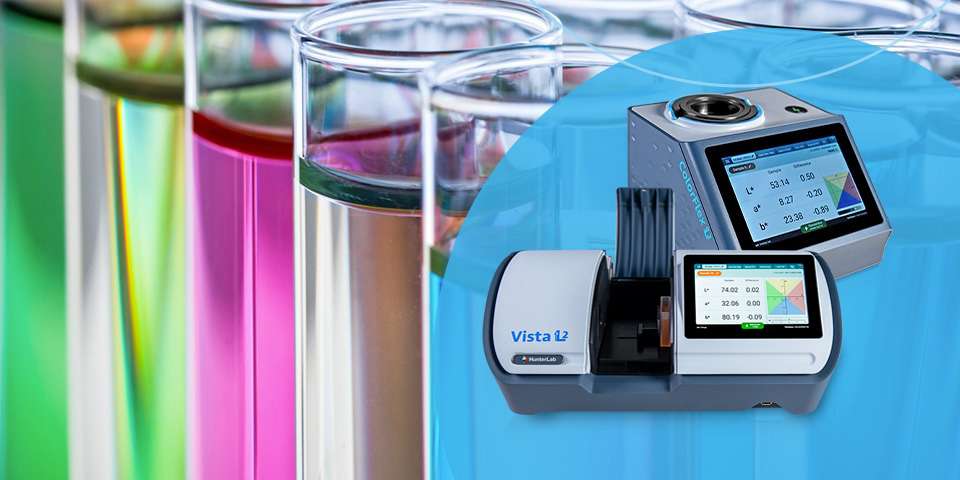
Even the best developed protocols will fail to deliver tangible value without durable spectrophotometric solutions capable of withstanding the extreme environments of these workflows. As a result, choosing the right device and accessories is critical to successfully maintaining color accuracy and consistency. Key factors to consider when selecting equipment for temperature-sensitive applications include:

  • Measurement speed: Rapid data capture is essential for hot samples, as you can have results long before the samples have a chance to begin cooling or shifting in color.
  • Manufacturer reputation: The most dependable advanced spectrophotometers come from manufacturers with deep expertise in color measurement science and unique application challenges. Research the company to ensure the best value for your equipment investment.
  • Specialized accessories: Extreme heat or cold can warp, discolor, or destroy standard plastic accessories, rendering measurements inaccurate. Use purpose-built cells, sample holders, and heat-resistant glass cuvettes to adapt to your specific workflow needs and prevent damage to holders.
  • Maintenance requirements: Proper upkeep for your spectrophotometer is crucial to keep it at peak performance. Look for models that need minimal maintenance to help support long-term use and high throughput.
The Vista and the ColorFlex L2 with beakers in the background

Maintain Color Accuracy With HunterLab

Maintaining consistent color accuracy in temperature-sensitive applications protects your brand's reputation, helps ensure safety, and reduces waste. HunterLab makes these goals easier to reach with top-rated spectrophotometers designed for durability and precision. Each draws from over 70 years of color science expertise to address the unique challenges of industrial operating environments and temperature-sensitive samples.

Connect with us online for a quote or to get expert advice on finding the best spectrophotometric solution for your needs.