HunterLab
  • Produkte
    • Tisch-Spektralphotometer
    • Tragbare Spektralphotometer
    • In-Process / In-Line
    • Software für die Qualitätskontrolle (QC)
  • Branchen
    • Lebensmittel
    • Getränke
    • Kunststoffe
    • Chemikalien
    • Bio-Pharma
    • Bauprodukte
    • Farben und Beschichtungen
    • Papier
    • Textilien
  • Lernen Sie
    • Anwendungshinweise
    • Messmethoden
    • Glossar
    • Kundengeschichten
    • Produkthandbücher
  • Über
    • Mission
    • Geschichte
    • Karriere
  • Ressourcen
    • Blog
    • Zertifizierungen
    • Kundengeschichten
    • Video-Galerie
  • Kontakt
    • Website unterstützen
    • Support, Dienstleistungen und Ersatzteilanfragen
    • Produktanfragen
    • Unser Standort
  • Erhalten Zitat
  • Search
About
BLOG

Lust auf eine kleine Lektüre?

Unser Blog wird ständig mit hilfreichen Informationen, Ratschlägen, Forschungsergebnissen und Einblicken aktualisiert – alles mit dem Ziel, Ihnen dabei zu helfen, Ihre Bedürfnisse in Bezug auf Farbe und Aussehen zu verbessern. Holen Sie sich etwas zu trinken und genießen Sie unsere Geschichten!

Geschichten erforschen

"The Complete Guide to Measuring Opaque Plastic Preforms"

Lesen Sie

Explore Our Products

Mehr sehen

"Leitfaden zur Überwindung von Herausforderungen im Zusammenhang mit Farben in der Kunststoffherstellung"

Lesen Sie

"What Is the Best Way to Measure the Color of Plastic Bottles?"

Lesen Sie

"The Top 6 Things You Need to Know About Measuring the Color of Plastic Bottles"

Lesen Sie
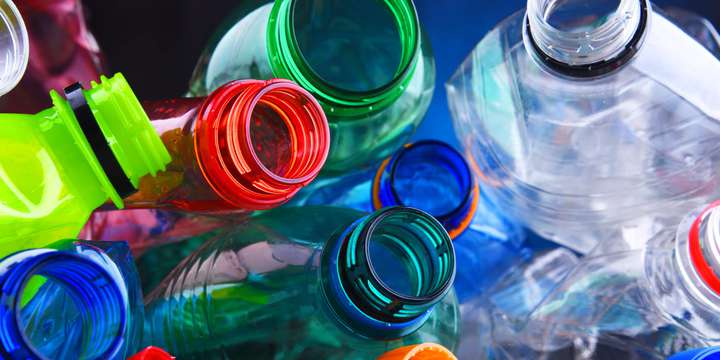
Colorful plastic bottles without lids

"Bewährte Praktiken zur Messung der Farbe von Kunststoffflaschen"

Lesen Sie
A roll of black opaque plastic film

"What Is the Best Way to Measure the Color of Opaque Plastic Film?"

Lesen Sie
A roll of blue opaque plastic film

"Top 6 Things You Need to Know About Measuring the Color of Opaque Plastic Film"

Lesen Sie

The Complete Guide to Measuring Opaque Plastic Preforms

Posted on Sep 19, 2025 by HunterLab

Polyethylene terephthalate (PET) preforms are essential to attractive, durable packaging for industries like beverage manufacturing, edible oils, and more. As the market continues to grow, so does the need to accurately and objectively quantify appearance to uphold product quality. Spectrophotometry is the best solution for scientific color measurement, eliminating the error-prone nature of manual visual assessment for higher confidence and precise data. Explore why color matters in preforms, the challenges of color consistency, and the ideal equipment for measurement to ensure high-quality results.

Why Color Matters for Plastic Preforms

Color plays an instrumental part in conforming to standards, protecting products, and influencing consumers.

Industry Standards

Plastic preform color is vital in meeting industry-specific standards. Sectors like pharmaceuticals and beverages often have strict color tolerances to ensure safety, traceability, and regulatory compliance. For example, specific packaging colors may indicate the presence of certain additives or differentiate between product formulations. Adhering to these color standards helps uphold product integrity and consumer safety.

Product Protection

Some goods, such as certain pharmaceuticals and beverages, are sensitive to ultraviolet (UV) light. Ongoing exposure to UV rays can cause degradation, affecting visual appeal, medical efficacy, safety, or taste. Opaque plastic packaging forms a shield against UV light, helping protect the product within against excess exposure. Inconsistent color may signal uneven distribution of colorants or UV-blocking additives, potentially increasing the chances of UV rays penetrating the packaging.

Quality Perception

Products like edible oils and beverages compete in crowded marketplaces. As a result, standing out on the shelves is key to your success. The plastic colors you choose help attract attention and reinforce your branding with consumers. When your color remains consistent and appealing, it indicates your commitment to quality and meeting your customers' expectations. Conversely, color alterations can signify issues with your quality control or manufacturing processes, causing consumers to reach for a competitor's product instead.

Posted in Plastic

Leitfaden zur Überwindung von Herausforderungen im Zusammenhang mit Farben in der Kunststoffherstellung

Posted on Mai 13, 2025 by HunterLab

Die Kunststoffherstellung hat seit den 1950er Jahren erheblich zugenommen und übertrifft damit die Herstellung aller anderen Materialien. Heute werden Kunststoffe in Märkten eingesetzt, die von der Automobilindustrie über die Warenverpackung bis hin zur Lebensmittel- und Getränkeherstellung reichen. Die Farbe von Kunststoffen ist und bleibt ein entscheidender Faktor, anhand dessen Verbraucher die Qualität und Attraktivität von Produkten beurteilen. Ihre genaue Quantifizierung ist jedoch mit besonderen Herausforderungen verbunden.

Häufige Herausforderungen bei der Farbmessung von Kunststoffen

Zu den typischen Herausforderungen bei der Farbmessung von Kunststoffen gehören die folgenden.

Natürliche Gelbfärbung

Virgin-Kunststoffgranulate vergilben während der Verarbeitung aufgrund von Oxidation auf natürliche Weise. Mit zunehmendem Alter oder durch UV-Strahlung kann es zu einer zusätzlichen Vergilbung kommen. Um klare oder nahezu klare Endprodukte zu erzielen, müssen Hersteller optische Aufheller hinzufügen, die im blauen Bereich des sichtbaren Spektrums fluoreszieren, um die Gelbfärbung zu neutralisieren. Das bedeutet, dass fast alle Kunststoffprodukte zumindest einen gewissen Anteil an optischen Aufhellern enthalten. Infolgedessen fluoreszieren diese Materialien von Natur aus und erschweren es, die gewünschte Klarheit und optische Farbqualität zu erzielen.

Regulatorischer Druck

Behörden weltweit erlassen immer strengere Vorschriften hinsichtlich des Anteils an recyceltem Kunststoff, der bei der Herstellung von neuem Kunststoff verwendet werden muss, um eine stärker kreislauforientierte Wirtschaft zu fördern. Eine Erhöhung der Menge an recyceltem Kunststoff führt zu einem entsprechenden Anstieg der Menge an optischen Aufhellern und anderen Additiven im Ausgangsmaterial, auf den sich die Hersteller einstellen müssen.

Diese Herausforderungen machen genaue Farbmessungen noch wichtiger, da eine Abweichung bei der Eingabe die Ergebnisse erheblich beeinflussen kann.

ESG-Initiativen

Neben staatlichen Maßnahmen spüren auch moderne Kunststoffhersteller einen ähnlichen Druck seitens ihrer Stakeholder. Verbraucher, Mitarbeiter und Investoren fordern zunehmend nachhaltigere Praktiken und Transparenz hinsichtlich der Umweltauswirkungen.

Um diesen Belastungen Rechnung zu tragen, führen viele Unternehmen Initiativen in den Bereichen Umwelt, Soziales und Unternehmensführung (ESG) durch, die zur Umsetzung der sechs Grundsätze einer stärker kreislauforientierten Wirtschaft beitragen. Zu diesen Grundsätzen gehören die Minimierung von Abfall, die Maximierung von Ressourcen, die Einsparung von Energie und die Verringerung des CO2-Fußabdrucks.

Lösungsansätze für Herausforderungen bei der Farbmessung in Kunststoffen

Glücklicherweise gibt es mehrere Maßnahmen, mit denen Sie Probleme bei der Farbmessung in der Kunststoffproduktion lösen können.


Posted in Plastic

What Is the Best Way to Measure the Color of Plastic Bottles?

Posted on Mär 19, 2025 by HunterLab

The use of plastic bottles in liquid packaging first became popular in the 1950s and 1960s. Today, plastic's cost-effectiveness, durability and recyclability have made it the go-to material for bottles among most major companies. Throughout the manufacturing of these bottles, it is vital that processors maintain accurate coloration. Any product entering the sales market should be uniform and consistent, down to the label and the packaging. This level of precision calls for specialized tools — and HunterLab provides them.

The Power of Spectrophotometers 

When you need to measure the color of plastic bottles, spectrophotometers offer the most objective and precise results. A spectrophotometer measures how light reflects off the bottle and uses those measurements to produce a numerical value in line with some of the most well-known color indices. 

Spectrophotometers make it easy for any brand to streamline its coloration practices and increase product consistency. Their use can translate to major benefits in:

  • Brand identity: Plastic bottles can be manufactured in almost any color, so many brands produce their bottles using a unique pigment combination to set them apart. Coloring bottles consistently allows you to establish your own look that consumers will begin to recognize over time, even before they see the label.

  • Consumer satisfaction: Changes in any part of your product or its packaging — including a significant color departure — can signal to loyal consumers that your product has changed in some way. By keeping your colors consistent, you can put consumers at ease and ensure they stay with your brand instead of choosing a competitor. 

Posted in Plastic

The Top 6 Things You Need to Know About Measuring the Color of Plastic Bottles

Posted on Jan 03, 2025 by HunterLab

Plastic bottles are the standard packaging for many products, from juice, soda, and condiments to laundry detergent. That means you need yours to stand out. Color can play a major role in differentiating your brand and increasing your products' appeal, especially when it's consistent. Here's what you need to know about measuring color in plastic bottles.

1. Consistent Color Builds Consumer Trust

Sight is one of the first senses we use when shopping. Color is essential in the decision-making process of potential buyers, even if they don't realize it. When you go to the store, you look for what's familiar to you. So do your customers. By creating and distributing a product with consistent coloration and packaging, you signal to everyone that you care about the appearance, presentation and effects of your offerings from one batch to the next.

2. Plastic Bottle Color Is Part of Your Brand Identity

When you create a color formula that's different enough from everyone else's, your plastic bottles can set your brand apart. Loyal customers will begin to associate that color with your name over time. If the color changes, many will wonder if what's inside the bottle is different, too.

Posted in Plastic

Bewährte Praktiken zur Messung der Farbe von Kunststoffflaschen

Posted on Dez 12, 2024 by HunterLab

Bei HunterLab haben wir mehr als 70 Jahre damit verbracht, Experten auf dem Gebiet der Farbmessung zu werden und zu beobachten, wie die Farbgebung von Produkten die Vorlieben der Verbraucher beeinflusst. Wir haben gelernt, dass Farbe in jedem Aspekt des Produktmarketings von entscheidender Bedeutung ist, vom Produkt selbst bis hin zu seiner gesamten Verpackung. Wir haben Lösungen entwickelt, die es den Herstellern ermöglichen, die Farbe vieler Produkte, einschließlich Plastikflaschen, genau zu messen. 

Wodurch wird die Farbe von Kunststoff beeinflusst?

Kunststoff ist für seine Vielseitigkeit bekannt. Das Material kann auf fast jede Weise geformt und gefärbt werden - und die Farbe wird in den Kunststoff selbst eingebrannt, so dass sie nach dem Aushärten kaum verblassen oder sich verändern kann. Dennoch gibt es einige Faktoren, die das Aussehen Ihrer Kunststoffflaschen in den Geschäften verändern können, z. B:

  • Licht: Im Kern geht es bei der Farbmessung darum, zu beurteilen, wie das Licht mit einem Objekt interagiert, um die Farbe zu erzeugen, die wir wahrnehmen. Unterschiedliche Lichtarten können dazu führen, dass Farben auf ein und demselben Objekt für das menschliche Auge unterschiedlich erscheinen.
  • Durchsichtigkeit: Genauso wie Kunststoff in jeder Farbe hergestellt werden kann, gibt es auch verschiedene Durchsichtigkeiten. Von völlig undurchsichtig bis hin zu klar und durchsichtig - Unterschiede in der Lichtdurchlässigkeit verändern die Art und Weise, wie die Farbe Ihrer Flaschen wahrgenommen wird.
  • Glanz: Der Glanz ist ein Maß für den Reflexionsgrad eines Objekts, der sich mehr oder weniger darauf bezieht, wie glänzend etwas ist. Ein glänzenderes Stück Plastik reflektiert mehr, was sich auf das Aussehen der darunter liegenden Farbe auswirkt.

Posted in Plastic

What Is the Best Way to Measure the Color of Opaque Plastic Film?

Posted on Sep 30, 2024 by HunterLab

Measuring the color of opaque plastic film with a spectrophotometer is the best way to ensure accurate and consistent outcomes with each batch. The technological device allows you to meet the quality standards and consumer expectations of visual perceptions of plastic film. Learn about the best practices for color measurement when using spectrophotometers. 

Measure Opaque Plastic Film With the Right Solution

Selecting the right color measurement solution for your application is crucial to ensuring an accurate reading. Since opaque plastic film reflects light, it requires a spectrophotometer that measures reflectance. Additionally, the device should be able to determine any other properties, such as gloss, that influence the material's color to provide a comprehensive measurement.  

Maintain Consistency Throughout the Measuring Process

Once you've established the right solution for your color measurement application, the next step is to develop and implement a standardized measuring process. From creating a uniform testing environment to following a set sample preparation procedure, every aspect of color measurement must be consistent and repeatable.

A spectrophotometer can help you monitor color shifts during the measuring process, allowing you to quickly make the adjustments needed to maintain color consistency. 

Posted in Plastic

Top 6 Things You Need to Know About Measuring the Color of Opaque Plastic Film

Posted on Sep 30, 2024 by HunterLab

The color of opaque plastic film is a quality indicator that customers can easily pick up on. As such, having a robust color measurement system in place is essential. Discover the top six things you need to consider when measuring the color of opaque plastic film.

1. Several Components Influence the Color of Opaque Film

Some plastic films are opaque due to their chemical structure, while others undergo modifications to become opaque. Moreover, several components can affect the color of opaque plastic film. The use of raw or recycled materials can contribute to color shifts throughout the production process, and thickness variations or additives such as dyes or pigments can alter the color. The way the plastic film is processed, either through extrusion, molding, or other methods, can also impact the final product's appearance. 

2. Measuring the Color of Plastic Film Is Part of Quality Control 

Opaque plastic film is often used in product packaging because of its ability to reflect light and block it from passing through. The opaque color creates a solid appearance and protects the products from sun exposure. Measuring the color of opaque plastic film allows you to produce batches that meet customers' expectations for color consistency. 

Posted in Plastic
Prev
1
2
3
Weiter

Die meisten verwandten Beiträge

  • The Complete Guide to Measuring Opaque Plastic Preforms
  • Leitfaden zur Überwindung von Herausforderungen im Zusammenhang mit Farben in der Kunststoffherstellung
  • What Is the Best Way to Measure the Color of Plastic Bottles?
  • The Top 6 Things You Need to Know About Measuring the Color of Plastic Bottles
  • Bewährte Praktiken zur Messung der Farbe von Kunststoffflaschen
  • What Is the Best Way to Measure the Color of Opaque Plastic Film?
  • Top 6 Things You Need to Know About Measuring the Color of Opaque Plastic Film
Mehr sehen

Follow Us

  • LinkedInFollow us on LinkedIn
  • YouTubeFollow us on YouTube
  • facebookFollow us on Facebook
  • XFollow us on X (formerly Twitter)
  • instagramFollow us on Instagram

HunterLab

703.471.6870

Hauptsitz
11491 Sunset Hills Road
Reston, Virginia 20190

  • Produkte
    • Tisch-Spektralphotometer
    • Tragbare Spektralphotometer
    • In-Process / In-Line
    • Software für die Qualitätskontrolle (QC)
  • Branchen
    • Lebensmittel
    • Getränke
    • Kunststoffe
    • Chemikalien
    • Bio-Pharma
    • Bauprodukte
    • Farben und Beschichtungen
    • Papier
    • Textilien
  • Lernen Sie
    • Anwendungshinweise
    • Messmethoden
    • Glossar
    • Kundengeschichten
    • Produkthandbücher
  • Über
    • Mission
    • Geschichte
    • Karriere
  • Ressourcen
    • Blog
    • Zertifizierungen
    • Kundengeschichten
    • Video-Galerie
  • Kontakt
    • Website unterstützen
    • Support, Dienstleistungen und Ersatzteilanfragen
    • Produktanfragen
    • Unser Standort

Kontakt aufnehmen

  • Instagram
  • Facebook
  • LinkedIn
  • Twitter
  • Zertifizierungen
  • Geschäftsbedingungen
  • Datenschutzbestimmungen
  • Inhaltsverzeichnis