HunterLab
  • Products
    • Benchtop Spectrophotometers
    • Portable Spectrophotometers
    • Quality Control (QC) Software
    • In-Process / In-Line
  • Industries
    • Food
    • Beverages
    • Plastics
    • Chemicals
    • Bio-Pharma
    • Building Products
    • Paints & Coatings
    • Paper
    • Textiles
  • Learn
    • Measurement Methods
    • Glossary
    • Application Notes
    • Customer Stories
    • Product User Manuals
  • Company
    • About
    • History
    • Careers
  • Resources
    • Blog
    • Certifications
    • Customer Stories
    • Video Gallery
  • Contact
    • Support Website
    • Support, Services and Parts Queries
    • Product Queries
    • Our Location
  • Get Quote
  • Search
About
BLOG

Interested in a little light reading?

Our blog is continually updated with helpful educational information, advises, research and insights—all in the name of helping you level-up your colour and appearance needs. Grab a drink and enjoy our stories!

Explore Stories
A lab technician with a safety mask and glasses looking at a beaker of blue liquid

"Colour Measurement in Sterile Environments: Pharmaceutical Challenges"

Read

Explore Our Products

View More

"What Is the Difference Between Radiometers, Spectrometers, Spectroradiometers, and Spectrophotometers?"

Read

"How Spectrophotometers Improve Shaving Cream Colour Quality Control"

Read

"Spectrophotometers Identify Counterfeit Pharmaceuticals With Colour Measurement"

Read

"Spectrophotometers Help Control Deodorant and Antiperspirant Stick Colour Consistency"

Read

"Analysis of Drugs and Excipients in Solid State with Spectrophotometric Technology"

Read

"Keeping Prescription Pill Colours Consistent for Improved Safety and Identification"

Read

Colour Measurement in Sterile Environments: Pharmaceutical Challenges

Posted on May 27, 2026 by HunterLab

Colour is a key indicator of product quality, safety, and efficacy in pharmaceutical manufacturing. As a result, this critical attribute demands precise control to meet consumer expectations and regulatory mandates. Yet, manufacturers must carefully balance colour measurement needs with sterility to preserve safety and hygiene. Many still rely on visual colour assessment, but this method is subjective, hard to track over the long term, and error-prone, increasing your risks of batch rejections and compliance failures.

Understanding the potential costs of outdated measurement approaches and how spectrophotometers/colorimeters address the challenges can help you achieve repeatability and preserve sample integrity.

The High Costs of Uncertainty — and How to Avoid Them

Where visual assessment fails, spectrophotometry excels, helping you build a more reliable quality system.

Visual Assessments Create Risks

Colour measurement in the pharmaceutical industry requires precision that visual methods simply cannot deliver. Human observers often deliver inconsistent results, influenced by their fatigue, colour perception, and environmental variations. These factors make that approach unreliable for the data-driven quality systems pharmaceutical manufacturing demands.

Subjective assessments become potential liabilities where the business consequences may compound quickly:

  • Subjective colour data can be challenging to substantiate during regulatory audits or inspections. While some regulatory authorities recognize visual assessment, documentation without objective numerical data could lack the rigor expected.
  • Batch-to-batch colour variations that pass visual checks may fail when instrumentally quantified against EP 2.2.2 or USP 1061 standards. That reality can translate into increased batch rejections, costly rework, and expensive API wastage.
  • Tracking colour shifts over time with subjective data is an issue. A lack of exact quantification makes it harder to identify patterns before they trigger failures.

Spectrophotometry Is the Best Colour Measurement Solution for Pharmaceutical Manufacturing

Spectrophotometry eliminates the trade-offs. These powerful solutions capture precise, objective colour data while preserving sterility. Unlike visual assessment methods, this equipment delivers numerical colour data that represents objective evidence of appearance. The technology quantifies colour variations that the human eye cannot consistently detect, providing the documentation pharmaceutical quality systems require. This measurement approach also integrates seamlessly with existing laboratory workflows while maintaining the sterile conditions pharmaceutical manufacturing demands.

Posted in Color In Pharmaceuticals

What Is the Difference Between Radiometers, Spectrometers, Spectroradiometers, and Spectrophotometers?

Posted on Mar 10, 2025 by HunterLab

Light and colour measurement processes use many types of equipment — radiometers, spectrometers, spectroradiometers, and spectrophotometers. While all four solutions are used to measure electromagnetic energy, they vary widely in their capabilities, applications, and intended purposes. It’s important to know and understand the differences between these solutions to determine which one will adequately serve your needs.

Radiometer vs. Spectrometer vs. Spectroradiometer vs. Spectrophotometer

These devices have similar names and are used to measure spectral data points and wavelengths within the electromagnetic spectrum. Despite this similarity, they have varying scopes regarding the types and qualities of measurements they produce.

Radiometers can only detect and measure electromagnetic radiation within a particular wavelength range. Spectrometers measure a broader scale of electromagnetic energy and have more capabilities, including breaking down signals based on amplitude. Spectrometers are a larger category under which other devices like spectroradiometers and spectrophotometers fall. 

In comparing spectroradiometers vs. spectrometers, the main difference is that spectroradiometers combine the capabilities of radiometers and spectrometers. These devices also collect details about power, radiance, and other metrics.

Spectrophotometers measure the amplitude of light reflected or transmitted by a sample, which can then be used to calculate the exact colour. Unlike the other tools, spectrophotometers focus on how transmitted and reflected light generates colour rather than on the qualities of the light itself.

What Is a Radiometer?

A radiometer measures the electromagnetic energy present in a specific wavelength range. This solution is typically used to detect and quantify energy outside the visible light spectrum and measure infrared and ultraviolet light. The radiometer begins by measuring the incoming current or voltage in watts, then corrects the signal to create a calibrated, quantitative light level measurement. With this information, the meter provides one reading over the specific wavelength range it is designed to measure.

Pros and Cons of Radiometers

Radiometers are inexpensive and portable, making them a cost-effective and practical choice. This solution can identify troublesome UV energy and detect and measure heat energy on surfaces. It also has one sensor that allows it to quickly measure all intended wavelengths.

However, radiometers cannot identify emitted wavelengths or their individual amplitude. Sometimes, variations exist in the filter used to match the light source, which creates difficulty when comparing results from radiometers of different manufacturers. Also, radiometers only measure a particular range of wavelengths, unlike other tools. 

Applications

Radiometers' ability to detect the presence of UV energy makes them valuable tools for any application where it is undesirable, such as museum lighting. In this atmosphere, UV energy could degrade artifacts or artwork.

The device also measures infrared light, enabling surface temperature measurements in settings such as along an assembly line or on a road's surface. Other applications include monitoring weather, like precipitation and wind speeds.


Posted in Color In Pharmaceuticals

How Spectrophotometers Improve Shaving Cream Colour Quality Control

Posted on Nov 29, 2023 by HunterLab

My shaving cream changed last year. It was a small difference, but I noticed it. When the gel came out of the can, it used to be a cool green. Then it was a cool blue. Why? I wondered. Is there something else that’s different about it? It started to get under my skin. Every time I went to shave, I was reminded that it wasn’t the same cream I was used to. So every time I would accidentally nick my Adam’s apple, or need to take extra strokes to clear my upper lip, I would wonder–is it the cream? Or it just me? I’ll never really know the answer. About two months after my shaving cream changed, I changed my shaving cream.

An inconsistent colour is instantly noticeable in shaving cream. Image Credit: Flickr user Karolina Mis

Posted in Color In Pharmaceuticals

Spectrophotometers Identify Counterfeit Pharmaceuticals With Colour Measurement

Posted on Nov 29, 2023 by HunterLab

The World Health Organization (WHO) in 2012 estimated that the global market for counterfeit pharmaceuticals generated $431 billion in gross annual revenues1 for purveyors of those fake products. Since then, WHO has stopped estimating the counterfeit industry’s revenues because of the difficulties in tracking fake prescription drugs. WHO is quick to note that the counterfeit pharmaceutical problem is not confined to developing countries with lax regulations. In 2014, the U.S. Food and Drug Administration (FDA) seized more than $73 million worth of counterfeit drugs, and since 2010, the FDA has tracked and recorded more than 1,400 incidents of adverse reactions caused by counterfeit drugs2.

Counterfeit pharmaceutical products run rampant through internet pharmacies. Image Credit: Flickr User Carlos Lowry (CC BY 2.0)

Posted in Color In Pharmaceuticals

Spectrophotometers Help Control Deodorant and Antiperspirant Stick Colour Consistency

Posted on Nov 29, 2023 by HunterLab

For the last thirty-five years, my aunt and uncle have been building a life and love together. By now, their patterns are long established. Settled and in their grooves, they resist any change that might disturb their comfortable routines. The last time I visited was evidence of this; I listened to them argue for a solid hour over a stick of deodorant. My uncle insisted that my aunt bought the wrong stick. My aunt insisted it was the same. My uncle disagreed. My aunt refused to go back to the store. My uncle refused to put on the deodorant. My aunt insisted he use the deodorant because it was the same. My uncle insisted it wasn’t, and that if my aunt wanted him to wear deodorant, she needed to go back to the store to get the right kind. My aunt refused but insisted he wear the deodorant. They repeated these points until it was time for lunch.

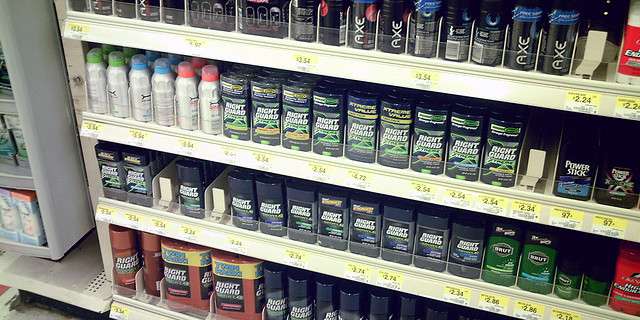
Instead of choosing from dozens of brands every time they go to the store, customers often default to the same deodorant over and over again. Image Credit: Flickr User Clean Wal-Mart (CC BY 2.0)

Posted in Color In Pharmaceuticals

Analysis of Drugs and Excipients in Solid State with Spectrophotometric Technology

Posted on Nov 29, 2023 by HunterLab

When I make a trip to the drugstore, I don’t usually struggle with the choice between name-brand medication and generic drugs—I tend to base my choice on the active pharmaceutical ingredients (APIs)1 listed on the package.

But only recently have I come to realize that the excipients listed on a drug’s packaging also play an important role. In fact, as my clients in the pharmaceutical industry have been happy to explain, manufacturers must rely on the analysis of both drugs and excipients in solid state to ensure the quality and efficacy of their products.

Fortunately—as I was happy to explain to my clients—spectrophotometry can help with this process.

Solid state excipients consist of compressed plaques and loose powders which account for the bulk of ingredients needed for the formulation and effectiveness of today’s pharmaceutical products. Image Source: Flickr user Axel Naud (CC BY 2.0)

Posted in Color In Pharmaceuticals

Keeping Prescription Pill Colours Consistent for Improved Safety and Identification

Posted on Nov 29, 2023 by HunterLab

I am a member of what people call the “sandwich generation.” I’ve spent the past decade caring for my own family while looking out for the needs of my aging parents. My father is now 92, and his cardiologist and I have gotten to know each other pretty well over the past several years as we refine his medications.

I realized how important the shape, size, and colour of prescription pills were one morning a few months ago. Feeling not quite right, my dad had gone to his pill box to survey his daily dosage—and realized that his regular heart pill looked wrong. After calling his doctor, he headed to the emergency room, where the medical staff determined that an error had occurred when his prescription was filled. His medication dosage had nearly tripled, and if it weren’t for that differently colored pill, my dad might not have caught the change in time.

Prescription pill shape, size, and colour all play a significant role in patient identification and safety. Image Source: Flickr user Ly Thien Hoang (Lee) (CC BY 2.0)

Posted in Color In Pharmaceuticals
Prev
1
2
3
…
Next

Most Related Posts

  • Colour Measurement in Sterile Environments: Pharmaceutical Challenges
  • What Is the Difference Between Radiometers, Spectrometers, Spectroradiometers, and Spectrophotometers?
  • How Spectrophotometers Improve Shaving Cream Colour Quality Control
  • Spectrophotometers Identify Counterfeit Pharmaceuticals With Colour Measurement
  • Spectrophotometers Help Control Deodorant and Antiperspirant Stick Colour Consistency
  • Analysis of Drugs and Excipients in Solid State with Spectrophotometric Technology
  • Keeping Prescription Pill Colours Consistent for Improved Safety and Identification
View More

Follow Us

  • LinkedInFollow us on LinkedIn
  • YouTubeFollow us on YouTube
  • facebookFollow us on Facebook
  • XFollow us on X (formerly Twitter)
  • instagramFollow us on Instagram

HunterLab

703.471.6870

Corporate Headquarters
11491 Sunset Hills Road
Reston, Virginia 20190

  • Products
    • Benchtop Spectrophotometers
    • Portable Spectrophotometers
    • Quality Control (QC) Software
    • In-Process / In-Line
  • Industries
    • Food
    • Beverages
    • Plastics
    • Chemicals
    • Bio-Pharma
    • Building Products
    • Paints & Coatings
    • Paper
    • Textiles
  • Learn
    • Measurement Methods
    • Glossary
    • Application Notes
    • Customer Stories
    • Product User Manuals
  • Company
    • About
    • History
    • Careers
  • Resources
    • Blog
    • Certifications
    • Customer Stories
    • Video Gallery
  • Contact
    • Support Website
    • Support, Services and Parts Queries
    • Product Queries
    • Our Location

Get in touch

  • Instagram
  • Facebook
  • LinkedIn
  • Twitter
  • Certifications
  • Terms and Conditions
  • Privacy Policy
  • Sitemap
  • Code of Conduct