About
BLOG

Interested in a little light reading?

Our blog is continually updated with helpful educational information, advises, research and insights—all in the name of helping you level-up your colour and appearance needs. Grab a drink and enjoy our stories!

Explore Our Stories
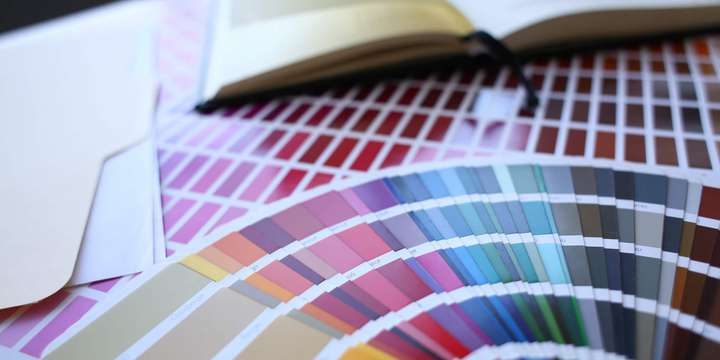
A colorful array of color swatches laid out on a table

"Best Spectrophotometer for Measuring Color Reflectance"

Read More

Explore Our Products

VIEW MORE

A colorful array of color swatches laid out on a table

"Best Spectrophotometer for Measuring Color Reflectance"

Read More
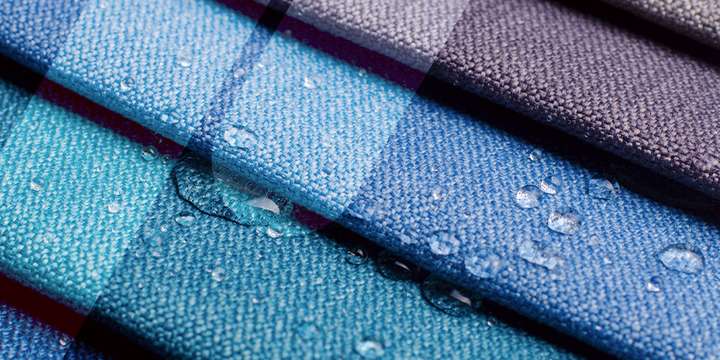
Various colored fabrics overlapping with drops of water sitting on top

"Colour Measurement of Wet vs. Dry Samples: Handling Moisture Variables"

Read More
Various colored fabrics overlapping with drops of water sitting on top

"Color Measurement of Wet vs. Dry Samples: Handling Moisture Variables"

Read More
Various colored fabrics overlapping with drops of water sitting on top

"Color Measurement of Wet vs. Dry Samples: Handling Moisture Variables"

Read More
Various colored fabrics overlapping with drops of water sitting on top

"Color Measurement of Wet vs. Dry Samples: Handling Moisture Variables"

Read More
Various colored fabrics overlapping with drops of water sitting on top

"Color Measurement of Wet vs. Dry Samples: Handling Moisture Variables"

Read More

Best Spectrophotometer for Measuring Color Reflectance

Posted on Jun 04, 2026 by HunterLab

Spectrophotometers measure wavelengths of light emitted from samples to ensure product consistency, desired color output, and other industry-relevant factors. 

What Is Reflectance?

Reflectance can be defined as the ratio of reflected to incident radiation, and it's an essential measurement in several fields. It corresponds to the amount of light that your sample reflects (emits) as compared to a specific reference material. Reflectance color measurement is required samples that are opaque as apposed to translucent or transparent. 

The percentage you get when measuring reflectance is a spectrum of reflection percentage per wavelength or nanometer (nm). For example, if you test a red sample with white light, the expected spectrum should hit the maximum reflectance, usually around 700 nanometers for red visible spectra. 

How to Measure Reflectance

A spectrophotometer attains a measurement of reflectivity by fulfilling the following actions: 

  1. The spectrophotometer transmits all the wavelengths of light while shining a light on the sample. 
  2. It measures the light that the sample reflects back. 
  3. It converts that measurement into a quantified graph showing the dominant wavelengths of the color reflectance. 

The reflectance consists of diffuse reflected light and specular reflected light. 

Diffuse reflected light is the permeating light that scatters in a variety of directions, observed when light beams reflect from microscopically rough surfaces.

Specular reflected light reflects at the same angle as the incident angle of light, creating a mirror image. Essentially, this beam of light when reflecting off of smooth surfaces remains as a beam of light. 

The Purpose of Measuring Reflectance

Reflectance measurement shows which part of the light spectrum a particular object belongs to. Humans have evolved to see a small part of the spectrum, known as visible light. The range of visible light stops at around 700 nanometers, but most of the light spectrum falls outside that continuum. 

Measuring reflectance ensures that an item meets the aesthetic and quality control requirements of various items. It shows the dominant wavelengths that allow you to check that the product meets the desired wavelength range. Here are the typical wavelength ranges of different colors: 

  • Yellow: 570-585 nm
  • Blue: 440-490 nm
  • Indigo: 420-440 nm
  • Red: 620-780 nm
  • Orange: 585-620 nm
  • Green: 490-570 nm
  • Violet: 400-420 nm

Posted in Color Measurement

Best Spectrophotometer for Measuring Color Reflectance

Posted on Jun 04, 2026 by HunterLab

Spectrophotometers measure wavelengths of light emitted from samples to ensure product consistency, desired color output, and other industry-relevant factors. 

What Is Reflectance?

Reflectance can be defined as the ratio of reflected to incident radiation, and it's an essential measurement in several fields. It corresponds to the amount of light that your sample reflects (emits) as compared to a specific reference material. Reflectance color measurement is required samples that are opaque as apposed to translucent or transparent. 

The percentage you get when measuring reflectance is a spectrum of reflection percentage per wavelength or nanometer (nm). For example, if you test a red sample with white light, the expected spectrum should hit the maximum reflectance, usually around 700 nanometers for red visible spectra. 

How to Measure Reflectance

A spectrophotometer attains a measurement of reflectivity by fulfilling the following actions: 

  1. The spectrophotometer transmits all the wavelengths of light while shining a light on the sample. 
  2. It measures the light that the sample reflects back. 
  3. It converts that measurement into a quantified graph showing the dominant wavelengths of the color reflectance. 

The reflectance consists of diffuse reflected light and specular reflected light. 

Diffuse reflected light is the permeating light that scatters in a variety of directions, observed when light beams reflect from microscopically rough surfaces.

Specular reflected light reflects at the same angle as the incident angle of light, creating a mirror image. Essentially, this beam of light when reflecting off of smooth surfaces remains as a beam of light. 

The Purpose of Measuring Reflectance

Reflectance measurement shows which part of the light spectrum a particular object belongs to. Humans have evolved to see a small part of the spectrum, known as visible light. The range of visible light stops at around 700 nanometers, but most of the light spectrum falls outside that continuum. 

Measuring reflectance ensures that an item meets the aesthetic and quality control requirements of various items. It shows the dominant wavelengths that allow you to check that the product meets the desired wavelength range. Here are the typical wavelength ranges of different colors: 

  • Yellow: 570-585 nm
  • Blue: 440-490 nm
  • Indigo: 420-440 nm
  • Red: 620-780 nm
  • Orange: 585-620 nm
  • Green: 490-570 nm
  • Violet: 400-420 nm

Posted in Color Measurement

Colour Measurement of Wet vs. Dry Samples: Handling Moisture Variables

Posted on Jun 02, 2026 by HunterLab

The effects of moisture on colour measurement are all too real for manufacturers. Wet samples can appear dramatically different from their dry counterparts — darker, more saturated, or with altered surface properties that can cast doubt on result accuracy. This reality creates a dilemma for quality control (QC) teams in many industries. Do you wait for samples to dry and slow throughput, or measure wet samples and risk inaccuracies?

Understanding how sample moisture content can affect colour can help you pivot to a more predictable framework that addresses the variable. With spectrophotometry, you can build reliable measurement protocols that transform wet samples from obstacle into QC advantage.

Why Does Moisture Change a Sample’s Appearance?

Moisture settles into air gaps on a sample's surface, or — in the case of textiles — becomes absorbed by the fibers. Both cases can impact how light interacts with the surface and influence the sample's appearance.

In the simplest terms, wet samples will often appear darker because there is less light scattering and more light absorption. The more moisture-saturated the sample is, the more pronounced the perception shift can become, with highly porous materials often showing the most dramatic effects of moisture on colour measurement.

How Does Moisture Impact Different Materials?

This phenomenon can manifest in different ways in key industries.

Powders and coatings present issues with colour measurement when moisture is present. Structural clumping is a common concern, and the particle aggregation can cause light scattering that impacts appearance. This clumping can also create issues with sample flowability and further impact data consistency and repeatability.

Absorption is the primary challenge with textiles, reinforcing the need for accurate sample preparation. The type of fabric also makes colour measurement more complex in wet samples. For example, cotton and polyester have vastly different absorption capabilities, so colour alterations may appear much more pronounced in one than the other.

What Are the Business Costs of Uncontrolled Moisture Variables?

Uncontrolled moisture variables add measurable costs that affect your bottom line through reduced efficiency, increased waste, and elevated quality risks.

Production Bottlenecks

You know downtime is expensive. When your production line stops to wait for samples to dry for colour measurement, it creates delayed quality decisions and scheduling backlogs. The end result? Throughput and efficiency suffer.

Consider the cascading effects of a single wet sample that requires 30 minutes of drying time. It pushes back every subsequent sample in the queue. Lab technicians stand idle, production managers scramble to adjust schedules, and quality decisions that should take minutes stretch into hours.

The ripple effects extend beyond the lab. Manufacturing lines may continue producing potentially off-spec product while waiting for colour approval, creating inventory that might need reworking or disposal. Meanwhile, shipping schedules slip and customer commitments become harder to meet.

Posted in Color Measurement

Color Measurement of Wet vs. Dry Samples: Handling Moisture Variables

Posted on Jun 02, 2026 by HunterLab

水分が色測定に及ぼす影響は、製造業者にとって極めて現実的な問題です。湿ったサンプルは、乾燥した状態のものとは著しく異なって見えることがあります。色が濃くなったり、彩度が高くなったり、あるいは表面特性が変化したりすることで、測定結果の正確性に疑念が生じる恐れがあります。この現実が、多くの業界の品質管理(QC)チームをジレンマに陥れています。サンプルが乾くのを待って処理速度を落とすか、それとも湿った状態で測定して精度が低下するリスクを負うか、という選択を迫られているのです。

試料の水分含有量が色にどのような影響を与えるかを理解することで、この変動要因に対処できる、より予測可能な枠組みへと転換することができます。分光光度法を活用すれば、信頼性の高い測定手順を確立でき、湿った試料という課題を品質管理上の強みに変えることが可能になります。

なぜ湿気によって試料の外観が変わるのでしょうか?

水分は試料表面の空隙に溜まったり、あるいは — 繊維製品の場合 — 繊維に吸収されたりします。どちらの場合も、光と表面との相互作用に影響を与え、試料の外観を左右する可能性があります。

最も簡単に言えば、湿った試料は光の散乱が少なく、吸収が多くなるため、色が暗く見えることがよくあります。試料の含水率が高ければ高いほど、この知覚上の変化は顕著になり、多孔質の材料では、水分が色測定に及ぼす影響が最も劇的に現れることがよくあります。

湿気はさまざまな素材にどのような影響を与えるのでしょうか?

この現象は、主要産業においてさまざまな形で現れることがある。

粉末およびコーティングは、水分が存在する場合、色測定において課題が生じます。構造的な凝集はよくある懸念事項であり、粒子の凝集は光散乱を引き起こし、外観に影響を及ぼす可能性があります。また、この凝集は試料の流動性に問題を引き起こし、データの整合性や再現性にもさらなる影響を与える可能性があります。

繊維製品における最大の課題は吸光であり、正確な試料調製の必要性が強調されています。また、生地の種類によって、湿潤試料での色測定はさらに複雑になります。例えば、綿とポリエステルでは吸光能力が大きく異なるため、一方では色調の変化が他方よりもはるかに顕著に現れることがあります。

管理されていない湿度要因による事業コストとは?

管理されていない湿度要因は、生産性の低下、廃棄物の増加、品質リスクの高まりを通じて、収益に悪影響を及ぼす具体的なコスト要因となります。

生産のボトルネック

生産停止はコストがかかることはご存知でしょう。色測定のためにサンプルの乾燥を待つために生産ラインが停止すると、品質判断が遅れ、工程の遅れが生じます。その結果、生産量と効率が低下してしまいます。

乾燥に30分かかる濡れたサンプルが1つあるだけで、連鎖的な影響が生じます。これにより、待ち行列にあるその後のすべてのサンプルの処理が遅れてしまいます。実験室の技術者は手をこまねくことになり、生産管理者はスケジュールの調整に追われ、本来なら数分で済むはずの品質判断が数時間に及ぶことになってしまいます。

その波及効果は研究室の枠を超えて広がります。製造ラインでは、色の承認を待つ間も規格外となる可能性のある製品が生産され続け、手直しや廃棄を余儀なくされる在庫が発生する恐れがあります。その一方で、出荷スケジュールが遅れ、顧客への納期遵守が困難になります。

Posted in Color Measurement

Color Measurement of Wet vs. Dry Samples: Handling Moisture Variables

Posted on Jun 02, 2026 by HunterLab

Die Auswirkungen von Feuchtigkeit auf die Farbmessung sind für Hersteller nur allzu real. Feuchte Proben können sich optisch drastisch von ihren trockenen Pendants unterscheiden – sie wirken dunkler, gesättigter oder weisen veränderte Oberflächeneigenschaften auf, was Zweifel an der Genauigkeit der Ergebnisse aufkommen lassen kann. Diese Tatsache stellt Qualitätskontrollteams (QC) in vielen Branchen vor ein Dilemma: Soll man warten, bis die Proben getrocknet sind, und damit den Durchsatz verlangsamen, oder feuchte Proben messen und Ungenauigkeiten riskieren?

Wenn Sie verstehen, wie sich der Feuchtigkeitsgehalt einer Probe auf die Farbe auswirken kann, können Sie auf ein besser vorhersehbares Verfahren umstellen, das dieser Variablen Rechnung trägt. Mithilfe der Spektralphotometrie können Sie zuverlässige Messprotokolle erstellen, die nasse Proben von einem Hindernis in einen Vorteil für die Qualitätskontrolle verwandeln.

Warum verändert Feuchtigkeit das Aussehen einer Probe?

Feuchtigkeit sammelt sich in den Luftspalten an der Oberfläche einer Probe oder – im Falle von Textilien – wird von den Fasern aufgenommen. Beide Fälle können die Wechselwirkung des Lichts mit der Oberfläche beeinflussen und das Erscheinungsbild der Probe verändern.

Einfach ausgedrückt erscheinen feuchte Proben oft dunkler, da das Licht weniger gestreut und stärker absorbiert wird. Je feuchter die Probe ist, desto deutlicher kann sich dieser Wahrnehmungsunterschied auswirken, wobei hochporöse Materialien oft die stärksten Auswirkungen von Feuchtigkeit auf die Farbmessung zeigen.

Wie wirkt sich Feuchtigkeit auf verschiedene Materialien aus?

Dieses Phänomen kann sich in Schlüsselbranchen auf unterschiedliche Weise äußern.

Pulver und Beschichtungen stellen bei Vorhandensein von Feuchtigkeit eine Herausforderung für die Farbmessung dar. Strukturbildende Verklumpungen sind ein häufiges Problem, und die Partikelaggregation kann zu Lichtstreuung führen, die das Erscheinungsbild beeinträchtigt. Diese Verklumpungen können zudem die Fließfähigkeit der Probe beeinträchtigen und sich negativ auf die Konsistenz und Wiederholbarkeit der Daten auswirken.

Die Absorption stellt bei Textilien die größte Herausforderung dar, was die Notwendigkeit einer präzisen Probenvorbereitung unterstreicht. Die Art des Gewebes erschwert zudem die Farbmessung bei feuchten Proben. So weisen beispielsweise Baumwolle und Polyester sehr unterschiedliche Absorptionsfähigkeiten auf, sodass Farbveränderungen bei dem einen Material deutlich stärker ausgeprägt erscheinen können als bei dem anderen.

Welche wirtschaftlichen Kosten entstehen durch unkontrollierte Feuchtigkeitsschwankungen?

Unkontrollierte Feuchtigkeitsschwankungen verursachen messbare Kosten, die sich durch Effizienzverluste, erhöhten Ausschuss und gesteigerte Qualitätsrisiken negativ auf Ihr Geschäftsergebnis auswirken.

Produktionsengpässe

Sie wissen, dass Ausfallzeiten teuer sind. Wenn Ihre Produktionslinie stillsteht, weil sie darauf wartet, dass Proben für die Farbmessung trocknen, führt dies zu Verzögerungen bei Qualitätsentscheidungen und zu Rückständen im Zeitplan. Das Ergebnis? Der Durchsatz und die Effizienz leiden darunter.

Man stelle sich einmal die Kettenreaktion vor, die eine einzige feuchte Probe auslöst, deren Trocknung 30 Minuten dauert. Dadurch verschiebt sich jede nachfolgende Probe in der Warteschlange nach hinten. Labortechniker stehen untätig herum, Produktionsleiter bemühen sich verzweifelt, die Zeitpläne anzupassen, und Qualitätsentscheidungen, die eigentlich nur wenige Minuten dauern sollten, ziehen sich über Stunden hin.

Die Auswirkungen reichen weit über das Labor hinaus. In den Fertigungslinien werden möglicherweise weiterhin Produkte hergestellt, die nicht den Spezifikationen entsprechen, während auf die Freigabe der Farbe gewartet wird, wodurch Lagerbestände entstehen, die möglicherweise nachbearbeitet oder entsorgt werden müssen. Gleichzeitig verzögern sich die Liefertermine, und es wird schwieriger, die Verpflichtungen gegenüber den Kunden einzuhalten.

Posted in Color Measurement

Color Measurement of Wet vs. Dry Samples: Handling Moisture Variables

Posted on Jun 02, 2026 by HunterLab

Los efectos de la humedad en la medición del color son una realidad muy presente para los fabricantes. Las muestras húmedas pueden presentar un aspecto muy diferente al de sus homólogas secas: más oscuras, más saturadas o con propiedades superficiales alteradas que pueden poner en duda la precisión de los resultados. Esta realidad plantea un dilema a los equipos de control de calidad (CC) de muchos sectores. ¿Es mejor esperar a que las muestras se sequen y ralentizar el rendimiento, o medir las muestras húmedas y arriesgarse a obtener resultados inexactos?

Comprender cómo el contenido de humedad de las muestras puede afectar al color puede ayudarte a adoptar un enfoque más predecible que tenga en cuenta esta variable. Gracias a la espectrofotometría, puedes establecer protocolos de medición fiables que conviertan las muestras húmedas de un obstáculo en una ventaja para el control de calidad.

¿Por qué la humedad altera el aspecto de una muestra?

La humedad se acumula en los espacios de aire de la superficie de una muestra o — en el caso de los textiles — es absorbida por las fibras. Ambos casos pueden afectar a la forma en que la luz interactúa con la superficie e influir en el aspecto de la muestra.

En términos sencillos, las muestras húmedas suelen parecer más oscuras porque se produce una menor dispersión de la luz y una mayor absorción de la misma. Cuanto más saturada de humedad esté la muestra, más pronunciado puede ser el cambio en la percepción, y los materiales muy porosos suelen mostrar los efectos más notables de la humedad en la medición del color.

¿Cómo afecta la humedad a los distintos materiales?

Este fenómeno puede manifestarse de diferentes maneras en sectores clave.

Los polvos y los recubrimientos plantean problemas a la hora de medir el color cuando hay humedad presente. La aglomeración estructural es un problema habitual, y la agregación de partículas puede provocar una dispersión de la luz que afecta al aspecto. Esta aglomeración también puede crear problemas con la fluidez de la muestra y afectar aún más a la consistencia y la repetibilidad de los datos.

La absorción es el principal reto que plantean los tejidos, lo que refuerza la necesidad de una preparación precisa de las muestras. El tipo de tejido también complica la medición del color en muestras húmedas. Por ejemplo, el algodón y el poliéster tienen capacidades de absorción muy diferentes, por lo que las alteraciones del color pueden parecer mucho más pronunciadas en uno que en el otro.

¿Cuáles son los costes empresariales derivados de las variaciones incontroladas de la humedad?

Las variables de humedad no controladas generan costes cuantificables que afectan a sus resultados finales debido a una menor eficiencia, un mayor desperdicio y un aumento de los riesgos relacionados con la calidad.

Cuellos de botella en la producción

Ya sabes que el tiempo de inactividad sale caro. Cuando tu línea de producción se detiene a la espera de que se sequen las muestras para medir el color, se retrasan las decisiones sobre calidad y se acumulan los retrasos en la programación. ¿El resultado final? El rendimiento y la eficiencia se ven afectados.

Imaginemos las repercusiones en cadena que tiene una sola muestra húmeda que requiere 30 minutos de secado. Esto retrasa todas las muestras posteriores de la cola. Los técnicos de laboratorio se quedan sin nada que hacer, los jefes de producción se apresuran a ajustar los horarios y las decisiones sobre calidad que deberían tardar unos minutos se alargan hasta horas.

Las repercusiones van más allá del laboratorio. Las líneas de producción pueden seguir fabricando productos que podrían no cumplir las especificaciones mientras se espera la aprobación del color, lo que genera existencias que podrían tener que ser reelaboradas o desechadas. Mientras tanto, los plazos de envío se retrasan y resulta más difícil cumplir los compromisos con los clientes.

Posted in Color Measurement

Color Measurement of Wet vs. Dry Samples: Handling Moisture Variables

Posted on May 27, 2026 by HunterLab

The effects of moisture on color measurement are all too real for manufacturers. Wet samples can appear dramatically different from their dry counterparts — darker, more saturated, or with altered surface properties that can cast doubt on result accuracy. This reality creates a dilemma for quality control (QC) teams in many industries. Do you wait for samples to dry and slow throughput, or measure wet samples and risk inaccuracies?

Understanding how sample moisture content can affect color can help you pivot to a more predictable framework that addresses the variable. With spectrophotometry, you can build reliable measurement protocols that transform wet samples from obstacle into QC advantage.

Why Does Moisture Change a Sample’s Appearance?

Moisture settles into air gaps on a sample's surface, or — in the case of textiles — becomes absorbed by the fibers. Both cases can impact how light interacts with the surface and influence the sample's appearance.

In the simplest terms, wet samples will often appear darker because there is less light scattering and more light absorption. The more moisture-saturated the sample is, the more pronounced the perception shift can become, with highly porous materials often showing the most dramatic effects of moisture on color measurement.

How Does Moisture Impact Different Materials?

This phenomenon can manifest in different ways in key industries.

Powders and coatings present issues with color measurement when moisture is present. Structural clumping is a common concern, and the particle aggregation can cause light scattering that impacts appearance. This clumping can also create issues with sample flowability and further impact data consistency and repeatability.

Absorption is the primary challenge with textiles, reinforcing the need for accurate sample preparation. The type of fabric also makes color measurement more complex in wet samples. For example, cotton and polyester have vastly different absorption capabilities, so color alterations may appear much more pronounced in one than the other.

What Are the Business Costs of Uncontrolled Moisture Variables?

Uncontrolled moisture variables add measurable costs that affect your bottom line through reduced efficiency, increased waste, and elevated quality risks.

Production Bottlenecks

You know downtime is expensive. When your production line stops to wait for samples to dry for color measurement, it creates delayed quality decisions and scheduling backlogs. The end result? Throughput and efficiency suffer.

Consider the cascading effects of a single wet sample that requires 30 minutes of drying time. It pushes back every subsequent sample in the queue. Lab technicians stand idle, production managers scramble to adjust schedules, and quality decisions that should take minutes stretch into hours.

The ripple effects extend beyond the lab. Manufacturing lines may continue producing potentially off-spec product while waiting for color approval, creating inventory that might need reworking or disposal. Meanwhile, shipping schedules slip and customer commitments become harder to meet.

Posted in Color Measurement
Prev
1
2
3
…
Next

Most Related Posts

  • Best Spectrophotometer for Measuring Color Reflectance
  • Best Spectrophotometer for Measuring Color Reflectance
  • Colour Measurement of Wet vs. Dry Samples: Handling Moisture Variables
  • Color Measurement of Wet vs. Dry Samples: Handling Moisture Variables
  • Color Measurement of Wet vs. Dry Samples: Handling Moisture Variables
  • Color Measurement of Wet vs. Dry Samples: Handling Moisture Variables
  • Color Measurement of Wet vs. Dry Samples: Handling Moisture Variables
View More Related Posts

Follow us on social

  • LinkedInFollow us on LinkedIn
  • YouTubeFollow us on YouTube
  • facebookFollow us on Facebook
  • XFollow us on X (formerly Twitter)
  • instagramFollow us on Instagram