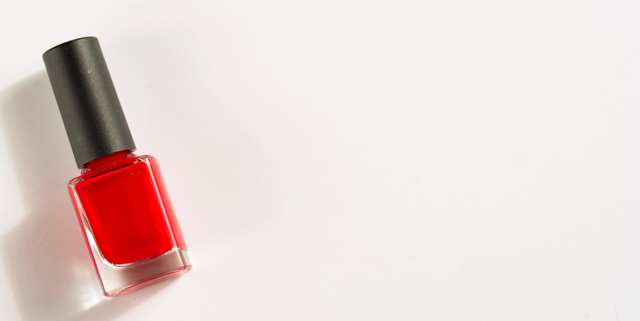
Colour-changing makeup is becoming more complex with advances in technology. Image Source: Unsplash user Joanna Kosinska

Colour-changing makeup is in the midst of a rebirth. Much like mood rings, these cosmetics change colour based on who’s wearing them. Also, like the mood ring, they had their heyday in the 60s—with a brief reappearance in the 90s. Today, many makeup companies are working on more complex colour-changing products, including the indie beauty brand Chaos Makeup, which unveiled its highly anticipated Colour-Changing Mood Cream to rave reviews last year.1 This moisture-activated multipurpose makeup transitions all the from dark burgundy to a vibrant turquoise, bringing a bit of magic to the cosmetics industry. And big companies are releasing their own transitioning lines as well; M.A.C. recently rolled out its Hint of Colour lip oils, which offer a more transition based on pH balance. 2.

These recent developments are the first whispers of a growing trend and the cosmetics industry is preparing. A key part of that preparation will be spectrophotometric testing of colour transitions to calibrate complex formulations that create the most appealing and dramatic changes. Using spectrophotometric technology, we’re capable of quantifying and replicating specific colours—and using that same technology, we’re able to predict what it will look like later.  Spectrophotometers offer a chance to look deeper into the colour behind the result, allowing us to create more complex transitions in colour-changing makeup.
color-changing-makeup-2.jpg

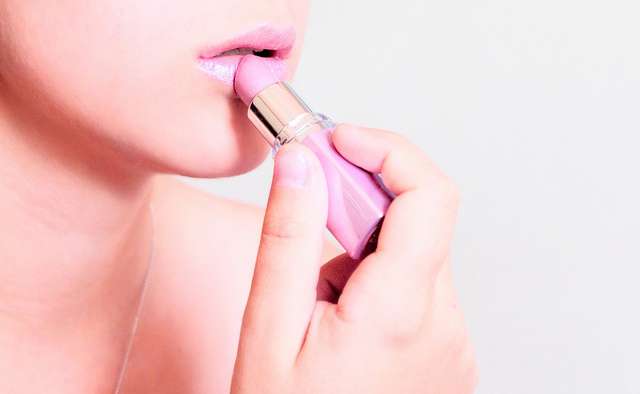
Colour-changing lipstick often transitions based on Ph balance fluctuations. Image Source: Flickr CC user _Frankenstein_

Read  Colour-Coding Technology: 50 Shades of Grey Pills?

The Science Behind Colour-Changing Makeup

While the possibilities for colour change are virtually endless, there are really only two kinds of colour-changing in makeup. One is simply based on reflection, where micropigments are encapsulated in one overall colour, making that colour appear to change based on the angle it’s viewed despite no actual material change.3   Then, there is true colour-changing makeup, in which the colour transitions from one to another. There are primarily four ways this happens, though companies are always discovering new methods of transformation:

  • Thermochromic: Thermochromic colour change happens as a result of exposure to a heat source, like body heat, or UV exposure.
  • Photochromic: Photochromic colour change occurs due to UV light exposure, particularly sunlight.
  • Hydrochromic: In a hydrochromic colour change, a material will change colour based on exposure to water. How much water required varies, but some materials can be made so sensitive they change colour based on simple humidity.
  • pH balance: A product can change colour based on a combination of factors, shifting colours from heat and moisture combined. This is often the case with colour-changing makeup that uses the body’s pH balance to adjust. As pH change can occur in any liquid material, even minor amounts of perspiration, and is impacted by heat, this makes it a combination method that works well in cosmetics.

While the process of colour change can be appealing for purely aesthetic reasons, it can also have practical applications such as monitoring user safety. Consider a nail polish that transforms from pink to red when someone has had too much sun exposure—this gives colour-changing makeup a wider range of uses, meaning brands will require a wider range of options for creating these colours.

color-changing-makeup-3.jpg

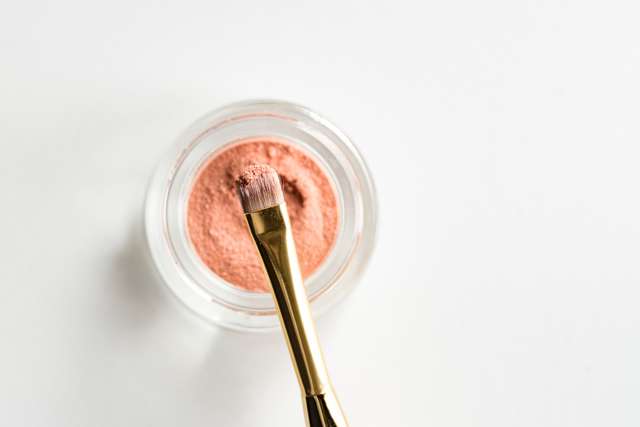
Colour-changing cosmetics are highly reliant on a product’s initial shade. Image Source: Unsplash user Joanna Kosinska

INFO  Get More Information

Using Spectrophotometers to Calibrate Colour Change in Cosmetics

Colour-changing makeup can be challenging to create as the colours are often highly sensitive. Additionally, a person’s body chemistry and environment will typically fluctuate throughout the day, which means products must support multiple colour transitions. These changes must be both certain and attractive; cosmetic manufacturers don’t want their products to turn an unappealing shade in high heat or humidity. As such, manufacturers need to be able to predict where these colours will end up, which is highly dependent on the initial shade.

With spectrophotometric technology, cosmetics manufacturers can develop colour changing shades from a precise starting point by allowing you to perfectly calibrate that initial colour. Spectrophotometric instrumentation can then be used to observe colour change in response to heat, light, moisture, or any combination thereof, giving you the opportunity to identify unappealing shades and isolate variables that produce unwanted hues. This allows you to tailor your formulation and manufacturing processes to attain predictable and desirable transitions. By implementing this level of product development and quality control precision, you will be able to create the best possible products to give your customers exciting and unique new ways of enjoying the possibilities of colour.

HunterLab Quality

Spectrophotometers are essential to ensuring cosmetics manufacturers can keep up with the rapidly changing world of makeup colour trends, including when the trend is colour change itself. HunterLab’s innovative spectrophotometers are designed to meet the diverse colour measurement needs of the cosmetics industry, giving you a range of user-friendly instruments and accessories that offer the highest degree of accuracy and precision regardless of sample type. Contact us to learn more about our renowned spectrophotometers and let us help you select the right tools for your needs.