
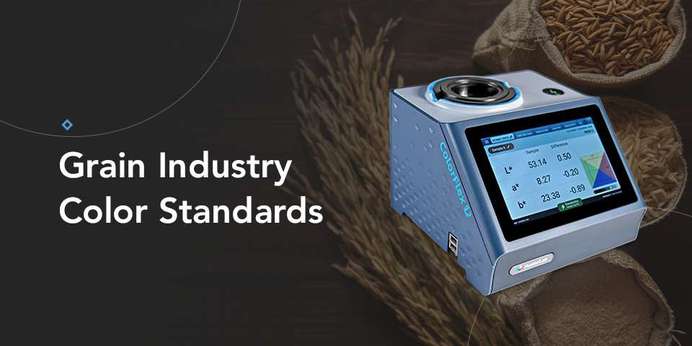
Grains are integral to our everyday diets, from rice and flour to cereals, baked goods, and pasta. The colour of raw grains contributes directly to their nutritional value, while the colour of final goods can influence consumer buying preferences and quality perceptions. Understanding and following industry standards for grain colour helps manufacturers maintain quality control, reduce waste, and boost customer satisfaction.
Applicable Colour Standards in the Grains Industry
The United States Department of Agriculture is the main government oversight body for raw grains, and its colour standards are used for classification and grading. Colour can also help determine a grain's suitability for a specific application, as colour variances can indicate damage that falls outside allowable tolerances for certain purposes.
The Cereals and Grains Association is the primary industry organization that develops colour standards for grain manufacturers and processors. For example, the association has established colour benchmarks and measuring methods for pasta products and durum flours. These standards are also compatible with those issued by AOAC International, which upholds standards across the broader agricultural chemistry field.