
From professional athletes to vegetarians and vegans, thousands of people around the world use protein powder supplements to meet their nutritional needs, and colour is one of the most important factors consumers consider when they shop for these products. Colour not only plays a significant role in sensory appeal and flavor perception, but colour consistency is also an important indicator of quality, as consistency can only be achieved through a refined manufacturing process. In fact, unwanted colour changes can signal a compromised product.
Unfortunately, many protein manufacturers struggle with colour consistency in their products. Factors like inconsistent ingredients, uneven mixing, and environmental conditions can impact the colour of the powder. Thoroughly testing the colour of your protein powder using spectrophotometric colour measurement technology enhances consistency.
These solutions allow you to produce more appealing products that are consistent from batch to batch, ensuring that customer expectations are met both in the short and long term. By focusing on colour quality control throughout the manufacturing process, you can produce powders that are as appealing as they are nutritious.
Colour Consistency Is a Sign of Quality in Protein Powder
Colour consistency matters for various reasons, from appealing to consumers to demonstrating the quality of products.
The Factors Influencing Protein Powder Colour
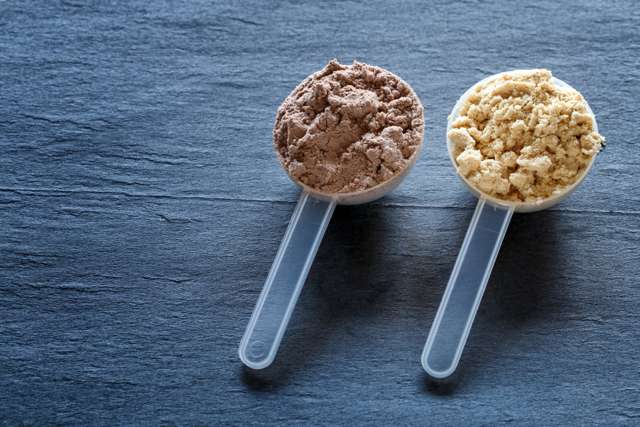
Protein powders come in a variety of colours depending on the ingredients the manufacturer uses. For example, if a protein powder contains cocoa, it will be naturally brown in colour. Likewise, powders made from pea protein often have a slightly green hue. However, while the raw ingredients in protein powder have an impact on the colour of the product, many manufacturers use colour additives or bleaching to achieve consistent colours and optimize visual appeal.
How Colour Influences Appeal
Researchers have found that customers have strong opinions when it comes to the appearance of protein powders, with white, green, and dark brown colours being preferred by most.
Many consumers prefer protein products that appear dull (rather than bright) in colour, as this makes the product appear more natural. Colour can influence how people perceive the flavor, sweetness, and freshness of food products.
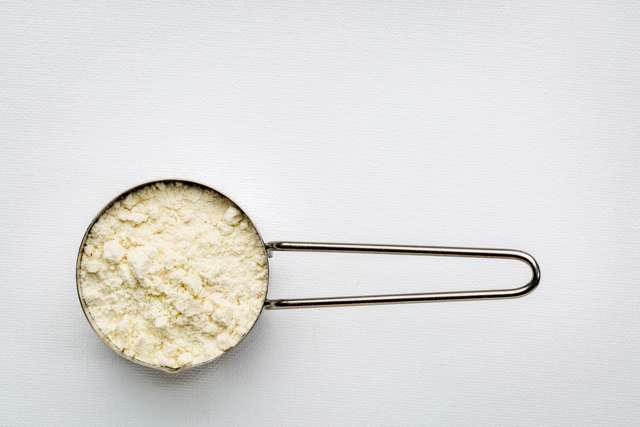
White products appear pure and free of contaminants, consumers associate the colour green with health, and dark brown powders often appear dependable and free from unappealing artificial additives. Many protein powder manufacturers generally aim for one of these three shades when they create their products.
Other Reasons Why Colour Matters
Colour can also have practical benefits that go beyond psychological impact, and manufacturers often bleach protein powder in part to make it easier for consumers to identify when the powder has expired or oxidized.
For example, whey protein is naturally yellow in colour because it derives from cheddar cheese. However, when this powder is exposed to heat or humidity, oxidation will cause the powder to yellow further or turn brown over time. When this happens, lysine (an important amino acid in the supplement) begins to break down, and the powder may become less effective as a result.
As such, colour change can act as a very real and important indicator of efficacy. Unfortunately, many consumers dislike the product’s natural yellow coloration and find it difficult to tell whether the powder is spoiled because they are not able to discern the degree of yellowing. To address this, manufacturers often bleach whey protein powder to make it appear as white as possible. Not only does this increase visual appeal, but it also allows consumers to more easily detect yellowing caused by oxidation and, hence, potential spoilage.
Whether you choose to bleach your powder, add food dyes, or use only natural ingredients in your formula, it’s important to test your products for colour consistency throughout the manufacturing process. This step will help you achieve a desirable look for your protein powder and ensure that your products are free of contaminants.