
Colour correcting makeup gives users a natural, fresh-face looked, a welcome change from the heavy contouring that has dominated cosmetics trends for years. Image Source: Pexels user Valeria Boltneva

For the past several years, contouring has been all the rage in cosmetics. By carefully applying shadows and highlights in the forms of creams and powders, you’re able to bring out your best features and reduce the visual impact of those you’d rather minimize. But as with all trends, the contouring craze may be coming to an end.

Tired of the heavy cosmetics and time-consuming application process, consumers are increasingly craving a more natural look and turning to colour correcting makeup to even out the complexion for a beautiful, fresh-faced appearance. “I love that this is becoming a new trend, because it allows everyone to think more like an artist and wear less full-coverage makeup,” says Darais, a makeup artist for Lancôme. “In spring, especially, we want a fresh approach to our skin.”1

Colour correcting makeup works by using the basic concepts of colour theory to diminish flaws and create a balanced skin tone. Green corrects for redness, peachy tones hide dark undereye circles, and purple and blue shades combats sallow, yellow skin. The key is to not overdo it; according to Dell Ashley, director of makeup artistry at Yves Stain Laurent, consumers should be sure to use a light touch. “This technique is used to neutralize the skin and should be undetectable when you are finished.”2

Truly getting the best results from colour correcting makeup, however, isn’t just a matter of application, it’s about selecting the best products. For cosmetics companies, that means precisely formulating colour correcting products to create a seamless blend between the applied colour and the skin tone being corrected. If the colour isn’t exactly right, it’s easy for consumers to end up looking more like a modern painting than someone with a flawless complexion. Spectrophotometric colour measurement gives cosmetics companies the ability to monitor colour throughout development and manufacturing to ensure that colour correcting products give users the beautiful, natural results they are looking for.
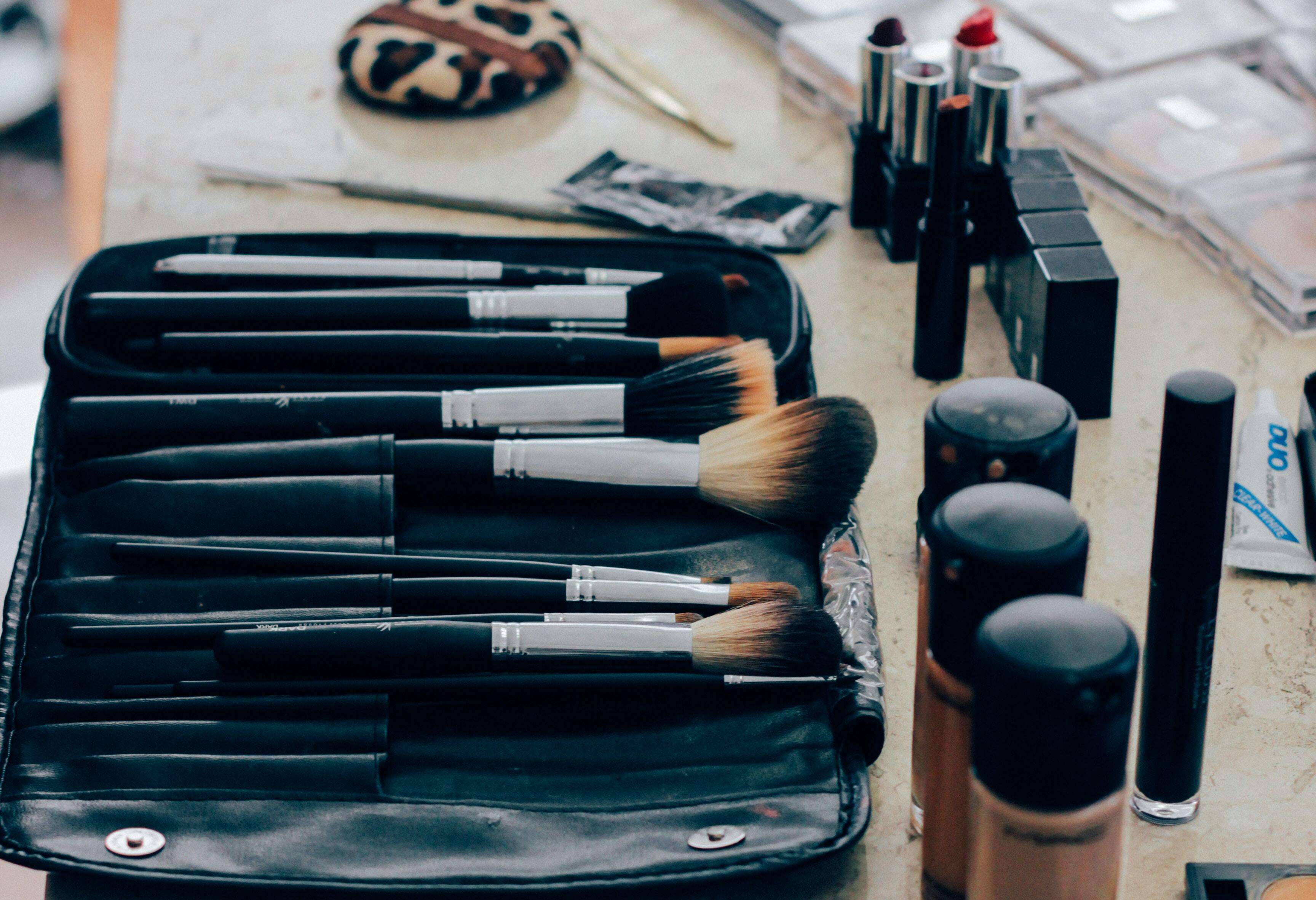
photo-1453761816053-ed5ba727b5b7.jpg

Spectrophotometers allow cosmetics companies to gain deep insight into the colour of their products, facilitating both formulation and manufacturing. Image Source: Unsplash user Manu Camargo


Read  From Clear to Pure: Chemical and Colour Analysis in the Petrochemical Industry

The Essential Role of Spectrophotometers

Spectrophotometers are designed to measure colour the way the eye sees it … only better. By integrating sophisticated optical geometries, these instruments are able to capture objective colour data, translating it into CIELAB values or any other colour system you choose. This data is essential to product formulation, giving users the feedback they need to tailor cosmetic recipes and evaluate process variables. Using spectrophotometry, you are able to rapidly measure the colour of all types of colour correcting products, from liquids to creams to loose and pressed powders both in laboratory and factory settings. Once a product is in commercial production, non-contact, on-line spectrophotometers can be easily integrated within production lines to continuously monitor product colour throughout the manufacturing process without disturbing the product itself.

photo-1441486374104-36abe5ed9b69.jpg

Portable spectrophotometers allow cosmetics companies to evaluate the colour of products on the skin. Image Source: Unsplash user Roksolana Zasiadko

INFO  Get More Information

Evaluating the Performance of Colour Correcting Makeup

The true test of colour correcting products, however, doesn’t happen in a production line or in a cuvette; it happens when the products are applied. After all, an unopened tube of pale green concealer tells you little about whether the product will truly counteract redness to enhance appearance or just look like, well, green concealer. But colour quality isn’t the only variable; not only must colour correcting products have the right kind of pigmentation, they must also disperse that pigmentation evenly across the skin surface to ensure a pleasing, natural look. As such, the final evaluation of a colour correcting product is only possible by testing the product on human skin. This is where portable spectrophotometers come in.

Portable spectrophotometers are lightweight, portable instruments that allow you to capture colour data virtually anywhere. At HunterLab, our portable spectrophotometers are equipped with dual beam technology, giving you the most accurate colour measurement possible more rapidly than traditional single beam instruments. As non-contact instruments, portable spectrophotometers gives you a simple and non-invasive method of measuring the colour of colour correcting products on a human subject, allowing you to assess both colour quality and formula consistency. As a result, you are able to objectively evaluate real world performance of your products to ensure optimal results.

The Leading Name in Spectrophotometry

HunterLab has been a pioneer in the field of colour measurement for over 60 years. Our lineup of portable, benchtop, and on-line spectrophotometric instruments offers a comprehensive array of choices to meet the diverse needs of our clients, helping them find solutions to even the most challenging colour measurement problems. When combined with our customizable software packages, our spectrophotometers allow you to gain unprecedented insight into your products and implement the highest colour quality control standards. Contact us to learn more about our innovative technologies and let us help you select the right instrument to meet your colour measurement needs.