
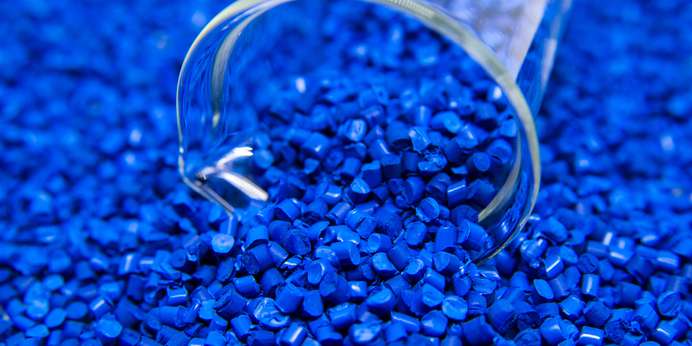
The Best Way to Measure the Colour of Recycled Pellets

Are you searching for an objective way to measure the colour of your recycled pellets? The best method for measuring the colour of recycled pellets is through a spectrophotometer. These devices analyze plastic samples and generate data representing the colour of the pellets. Unlike visual assessment, spectrophotometers drop subjectivity and ensure consistent colour evaluation throughout production. 

Factors That Affect the Colour of Recycled Plastic Pellets

Unlike virgin plastic resins with controlled colour properties, recycled pellets are prone to changes throughout the manufacturing process. Several factors can influence the colour of recycled pellets, such as:

  • The source material: Recycled plastic originates from various post-consumer and industrial waste sources. Pigments and dyes used in the original plastics contribute to the final colour of the recycled pellets.
  • Contamination: Foreign materials like food residues and inks can be present in recycled plastic waste, affecting the pellets' colour.
  • Degradation: Exposure to sunlight, heat, and weathering during the plastic's lifecycle can lead to pigment deterioration in the recycled pellets. 

Read  Colour Standards for Plastics — Plastic Colorants and Colour Concentrates

Importance of Colour Measurement in Recycled Pellets

Ensuring consistent colour in recycled plastic products is crucial for several reasons, including:

  • Quality control: Consistent colour signifies a well-controlled recycling process. Deviations might indicate sorting, cleaning, or contamination issues, allowing for corrective actions. 
  • Aesthetics: Regulating the colour of recycled plastic products ensures a pleasant appearance that meets consumer expectations.
  • Product performance: In some applications, colour variations might affect product performance. For instance, inconsistent colour in recycled automotive parts could raise concerns about functionality or durability.

Spectrophotometers for Measuring the Colour of Recycled Pellets

Reasons to invest in a spectrophotometer for color measurement
INFO  Get More Information

Here are a few reasons to invest in a spectrophotometer for measuring colour:

  • Accuracy: Spectrophotometers provide precise colour data, allowing for accurate colour comparisons across different batches of recycled pellets.
  • Innovation: Certain geometries, like the 45°/0° configuration, minimize the influence of surface texture on the colour measurement. This technology ensures accurate results even with rougher textured pellets.
  • Versatility: Benchtop spectrophotometers work with materials such as polymers, textiles, glass, and liquids.

Enhance Your Facility's Sustainability With Accurate Colour Measuring Techniques

You can reduce your facility's environmental impact by implementing objective colour testing. Analyzing small samples of plastic pellets before mass production can prevent costly mistakes that affect entire batches, and this minimizes the amount of plastic waste that finds its way to landfills. Invest in a spectrophotometer to help your facility maintain sustainable manufacturing processes.

Contact HunterLab for Dependable Colour Measurement Solutions

HunterLab has over 70 years of experience offering leading spectrophotometric innovations. Our equipment provides accuracy, whether measuring recycled or new plastics. 

Contact us today to learn more about our products or request a quote. Our specialists are always available to answer your questions.