
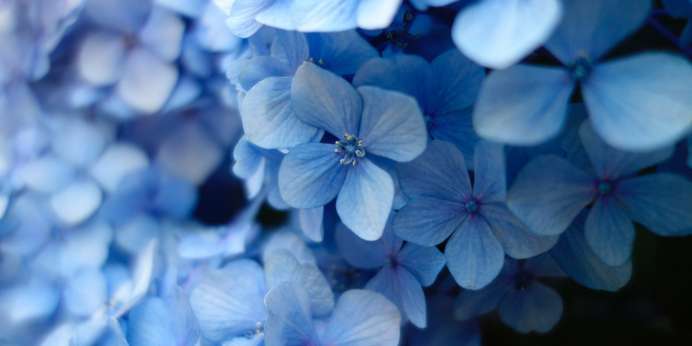
Blue is the colour of the sky and water, symbolizing peace and serenity. Though the colour is one of the most recently recognized, it’s popular in culture and fashion. Read on for more about the colour blue.
Facts About the Colour Blue
Here are some facts about blue:
- Blue was the last colour to be coined as a term in the English language.
- Blue is infrequent in nature, so blue flowers are created from genetic modification and breeding.
- The idea of blue as the colour for boys began after World War II. Manufacturers wanted to sell more clothes by making separate clothing for boys and girls.
- The pigment Prussian blue creates perfect copies of drawings. Architects use this hue to copy their designs, which is where the term “blueprints” came from.
A Brief History of the Colour Blue
Due to blue’s rarity in nature, it has a shorter history than other colours. Blue is not present in cave paintings from 20,000 years ago, and the Ancient Greeks did not have a term for blue. Ancient Egyptians valued the blue semiprecious stone Lapis lazuli, so blue became common in their language and clothing.
Though blue was worn mainly by royalty for many centuries, it became a more common colour in 431 AD. The Catholic Church depicted the Virgin Mary in a blue robe, adding a positive meaning to the colour.
The Meaning of the Colour Blue
The colour blue symbolizes confidence and authority that is noninvasive and objective. Unlike red, blue is nonthreatening, fostering peace, dependability and security. Since the colour produces a slow physiological response, blue is also the colour of creativity. Light blue shades improve concentration, and dark blue hues improve thought processes.