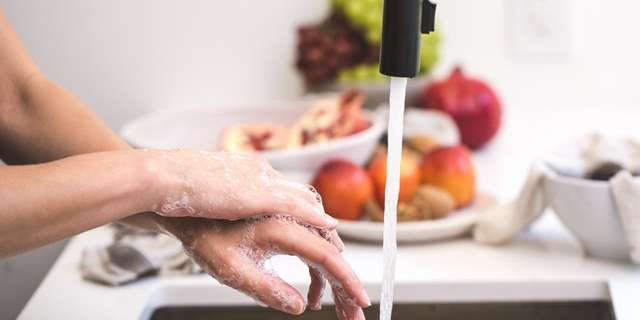
Dish soap colour has little to no effect on its cleaning power but can have a big impact on consumer perception. Image Source: Pexels user Burst

Why does liquid dish soap have a colour? After all, the essential ingredients of liquid dish soap are water, cleaning and foaming agents, antibacterials, stabilizers, and agents that control thickness and clarity.1 None of these are naturally colored candle apple green, blue raspberry, or lemon, nor do any of their mixtures result in these bright, final colours. To achieve these colours, manufacturers must mix in dyes during the blending process. So why go to the extra trouble, spending extra time and money procuring, assessing, and admixing dyes? For the same reason that perfumes are included: customer perception.

liquid-dish-soap-2.jpg

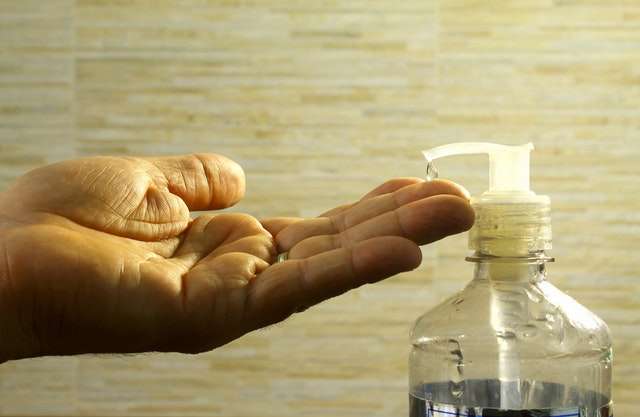
Many customers will seek out a liquid dish soap by colour. Image Source: Pexels user Pixabay

Read  From Clear to Pure: Chemical and Colour Analysis in the Petrochemical Industry

Colour Impacts Consumer Perception

Dyes have no effect on the cleanliness of the dishes. Yellow dish soap works precisely as well as blue, green, or orange dish soap. Yet, customers will prefer one colour of soap to another and will purchase their chosen colour preferentially when the time comes to replenish their supply. Most customers intuitively understand that yellow soap does not clean better than blue soap; their preference is not, then, based on assumptions of relative efficacy. Rather, it is the colour itself that they like. Perhaps it is the colour of soap they grew up with, perhaps it matches the colour scheme in the kitchen, perhaps it corresponds to the scent they like, perhaps it is their favorite of all colours. Whatever the reason, dish soap colour can be a significant factor in purchasing decisions.

Not only do customers choose dish soap partially in response to an emotional reaction to colour, colour can also inspire loyalty in a brand. Rather than making a new choice each time customers return to the store to resupply, we shop to a significant degree based on habit. If “the blue one” worked well last time, they’re likely to choose “the blue one” again. In this way, customers begin to recognize and associate brand with colour and colour becomes an important aspect of a brand’s identity. Even if competing liquid dish soap manufacturers have a similar colour complement, small differences in shade and hue can be enough to distinguish the products. These differences work best in combination with bottle shape and size and label text and images to create a cohesive aesthetic and promote both brand recognition and loyalty. The importance of colour in liquid dish soap requires manufacturers to implement a strict regimen of colour quality control.

liquid-dish-soap-3.jpg

Spectrophotometers are vital to ensure accurate and consistent dish soap colour. Image Source: Unsplash user Markus Spiske

INFO  Get More Information

Spectrophotometers Ensure Brand Consistency

The ideal method of liquid dish soap colour quality control relies on spectrophotometric colour measurement. Transmission spectrophotometers measure the exact colour of translucent or transparent liquid objects, perfect for translucent liquid dish soap. Reflectance spectrophotometers measure the colour of opaque liquids or solids and would be necessary for companies manufacturing opaque liquid dish soap. Certain advanced spectrophotometers, such as the UltraScan Pro from HunterLab, are capable of measuring both transmittance and reflectance colour.

Whether measuring translucent or opaque liquid soaps, spectrophotometers are an essential quality control tool.Unlike human observers, who see colour subjectively, spectrophotometers measure colour on an objective, numerical basis. This means that spectrophotometers will always measure colour to your exact standards. While the observations of human colour testers may vary due to biological and environmental factors, those of spectrophotometers will remain precise over tens of thousands of measurements.

Not only can spectrophotometers be useful during the mixing process to ensure that each batch of dish soap is the proper colour before moving to the next stage of production, they can also be helpful in the realm of market research and colour development. By spectrophotometrically recording the exact shades that customers prefer in focus groups and other studies of colour preference, these instruments allow manufacturers to easily replicate the shade that customers respond to best. These recordings can be used as future standards as manufacturers continually search for the perfect dish soap colour.

The HunterLab Difference

At HunterLab, we’ve been developing colour measurement solutions for over six decades. Our reputation for quality has led top companies to choose HunterLab to perfect their product development and manufacturing processes. Because we work closely with our customers to understand their unique needs, we’re able to offer instruments ideally suited for liquid dish soap quality control. Contact us to learn more about our products and lets us help you find the perfect tools for your needs.