About
BLOG

Interested in a little light reading?

Our blog is continually updated with helpful educational information, advises, research and insights—all in the name of helping you level-up your color and appearance needs. Grab a drink and enjoy our stories!

Explore stories

"Colorblindness and the Importance of Color Measurement"

Read

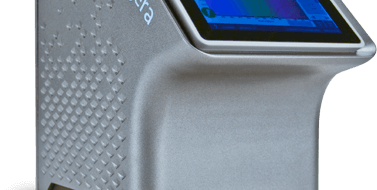
Explore Our Products

View More

"What Is LRV?"

Read

"What Color Psychology Is Used in Food Marketing?"

Read

"Does Color Perception Change Over Time?"

Read

"A Beginner's Guide to Color Measurement"

Read

"What Affects the Color of Chocolate Chips?"

Read

"How to Measure the Color of Powdered Sugar"

Read

Colorblindness and the Importance of Color Measurement

Posted on Nov 28, 2023 by HunterLab

Approximately 300 million people worldwide are colorblind in some way. Most people develop colorblindness through their mother's genetics, as the gene for colorblindness is passed down through the X chromosome. Still, the majority of people who are colorblind are male, with 1 in 12 men and 1 in 200 women receiving a diagnosis. This is because it is far less likely for someone with two X chromosomes to have both of them contain that gene.

Posted in Color Measurement

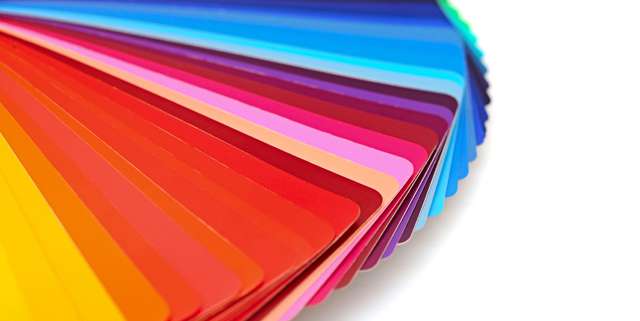
What Is LRV?

Posted on Nov 28, 2023 by HunterLab

Anyone who uses colorants in design, manufacturing, or other industrial uses should understand light reflectance value (LRV). LRV can help you gain a better understanding of color and how you can use it to influence your business.

Light Reflectance Value (LRV)

LRV is one method to help you standardize the way your brand sees color. It places every color on a scale of 0-100, the number determining how well said color reflects light. A rating of 100 would mean the color is entirely reflective — the brightest white possible. At the other end of the scale, a 0 would mean that the color absorbs all light — essentially, the darkest black.

Most colors fall closer to the middle of the spectrum. In reality, there's almost no way to have a color that is truly 0 or 100. LRV is primarily used in design spaces and when painting properties, as it helps decorators and designers understand how a certain paint color will affect a room and the rest of the property. High-LRV colors can allow more natural light into the space and cut down on energy needs.


Posted in Color Measurement

What Color Psychology Is Used in Food Marketing?

Posted on Nov 28, 2023 by HunterLab

Color psychology is used in every industry, from major brands to small businesses. Though your customers may not consciously consider it when choosing where to eat or shop, it does play a role in influencing their decisions. Every color has symbolic meanings attached to it, and understanding the color psychology of food can help you anticipate consumer reactions and incorporate the emotions you want to evoke into the base of your marketing plan.

Understanding Food Color Psychology

Color psychology tells us that each hue appeals to us differently. In the food industry, these colors are most likely to feelings of:

  • Red: Energy, passion, urgency, appetite stimulation
  • Orange: Value, appetite stimulation
  • Yellow: Enthusiasm, youthfulness, uneasiness
  • Green: Health, freshness, nature
  • Blue: Calm, trust, security, appetite suppression
  • Purple: Luxury, fruitiness
  • Pink: Sweetness, feminity, calm
  • Brown: Sweetness, nature, earthiness
  • Black: Class, simplicity, luxury
  • White: Neutrality, cleanliness, clarity

When it comes to food marketing, red is perhaps one of the most popular color choices. It's favored by international brands like McDonald's, Kellogg's, and Coca-Cola. Depending on your brand and the image you want to convey, any color can have its place in the food market.

Posted in Color In Food Industry

Does Color Perception Change Over Time?

Posted on Nov 28, 2023 by HunterLab

Every person perceives color differently. A unique combination of genetics and circumstances influences each individual's connection to and view of various hues. If you've ever had the experience of talking with an older adult and disagreeing on the color you're both seeing, you may find yourself questioning whether color perception changes with age — and sometimes, it can.

Differences in Color Perception

Some of the reasons you may perceive a different color than the person next to you may include:

  • Genetics: The most well-known reason for differences in color perception is genetics. Color blindness affects one in 12 men and one in 200 women, usually due to a genetic marker in the X chromosome.
  • Culture: Different geographical locations place varied emphasis on colors, combining hues like blue and green or navy and black into one word in their languages. Some languages have even more words to describe different shades.
  • Trauma: Occasionally, injury or illness can bring on partial blindness or colorblindness that affects color perception. Common causes include brain or eye injury or an illness like diabetes.
  • Age: While your perception of color may remain the same for most of your life, your eyesight can begin to change and deteriorate as you age. Some people develop a yellowish tint to their vision, most often after age 70, which can affect their ability to differentiate between shades of yellow, blue, and green.

Posted in Color And Appearance Theory

A Beginner's Guide to Color Measurement

Posted on Nov 28, 2023 by HunterLab

Magazines, books, photos, and blog posts — all of these mediums can display beautiful pictures, but not all viewing methods are the same. Each media has a different method of displaying color and showing images. You could view the same picture on all four options, and each one could look slightly different. That's why color measurement and management are important to your marketing materials and displays.

Posted in Color Measurement

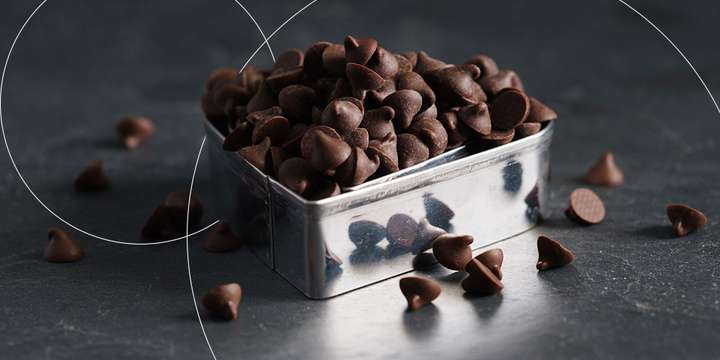
What Affects the Color of Chocolate Chips?

Posted on Nov 28, 2023 by HunterLab

Who doesn't love a few extra chocolate chips to sweeten their favorite dessert? Chocolate chips come in as many variations as chocolate bars, and more than many other foods, people choose them based on color. The right color of chocolate chips ensures they get the right flavor for their meals and preferences.

How do you ensure consistency in your chocolate chips? Color measurement. HunterLab is dedicated to helping companies like yours streamline your color measurement and understand what makes your products the perfect color for consumers.

Posted in Color Measurement

How to Measure the Color of Powdered Sugar

Posted on Nov 28, 2023 by HunterLab

Though not as popular as your everyday granulated sugar or even brown sugar, powdered sugar makes baked goods, icings and other sweet treats exceptional. When someone reaches for a fresh powdered donut, their mouth waters as their fingers get covered in that beautiful white sugar. If it's not white, though, they may begin to wonder if there's something off about the product.

If you want your consumers to stay loyal to your brand, color consistency is of the utmost importance. Learn how HunterLab keeps our sugar manufacturers in business with our superior color measurement tools.

Posted in Color Measurement
Prev
65
66
67
68
69
…
Next

Most Related Posts

  • Best Spectrophotometer for Measuring Color Reflectance
  • Best Spectrophotometer for Measuring Transmittance Color
  • APHA/Pt-Co/Hazen vs Gardner color scales: What’s the difference?
  • Color Measurement in Sterile Environments: Pharmaceutical Challenges
  • Color Measurement of Wet vs. Dry Samples: Handling Moisture Variables
  • From Spices to Snacks: Solving Food Color Measurement Challenges Based on Particle Size
  • Smart Spectrophotometers Offer a Better Way to Measure the Color of Cookie Samples
View More

Follow Us

  • LinkedInFollow us on LinkedIn
  • YouTubeFollow us on YouTube
  • facebookFollow us on Facebook
  • XFollow us on X (formerly Twitter)
  • instagramFollow us on Instagram