About
BLOG

Lust auf eine kleine Lektüre?

Unser Blog wird ständig mit hilfreichen Informationen, Ratschlägen, Forschungsergebnissen und Einblicken aktualisiert – alles mit dem Ziel, Ihnen dabei zu helfen, Ihre Bedürfnisse in Bezug auf Farbe und Aussehen zu verbessern. Holen Sie sich etwas zu trinken und genießen Sie unsere Geschichten!

Explore Our Stories
colorful-chocolates-candies-SBI-300620151-min.jpg

"What Is Chromophobia?"

Read More

Explore Our Products

VIEW MORE

colorful-chocolates-candies-SBI-300620151-min.jpg

"What Is Chromophobia?"

Read More
colorful-chocolates-candies-SBI-300620151-min.jpg

"What Is Chromophobia?"

Read More
colorful-chocolates-candies-SBI-300620151-min.jpg

"What Is Chromophobia?"

Read More
colorful-chocolates-candies-SBI-300620151-min.jpg

"What Is Chromophobia?"

Read More
01.jpg

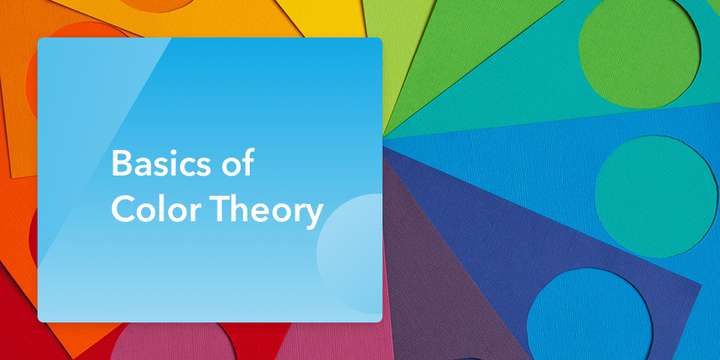
"Basics of Color Theory"

Read More
01.jpg

"Basics of Color Theory"

Read More

What Is Chromophobia?

Posted on Mar 19, 2026 by HunterLab

Many fears impact people’s lives. Chromophobia — also known as chromatophobia — is a fear of colors. The meaning of chromophobia derives from the Greek words “chromos” (color) and “ phobos” (fear).

Phobias of specific colors have individual names:

  • Cyanophobia: Fear of blue
  • Xanthophobia: Fear of yellow
  • Prasinophobia: Fear of green
  • Chrysophobia: Fear of orange
  • Rhodophobia: Fear of pink
  • Kastanophobia: Fear of brown
  • Leukophobia: Fear of white
  • Melanophobia: Fear of black

Causes of Chromatophobia

One prominent cause of chromophobia is post-traumatic stress disorder (PTSD). Traumatic events during childhood or adolescence can train a victim’s mind to associate a neutral stimulus with the event. With chromophobia, the mind associates the traumatic event with a particular color, which then causes a reaction when the person sees that hue.

Other causes of chromatophobia include conditioning. Some people feel an intense fear toward a color because they witness a traumatic event without experiencing it themselves. Cultural conditioning labels certain colors as unfavorable, and this can lead people to fear those hues. People with phobias do not respond to logic, as they suffer from a conditioned behavior not based on fact.

Posted in Color And Appearance Theory

What Is Chromophobia?

Posted on Mar 19, 2026 by HunterLab

多くの恐怖が人々の生活に影響を与えている。色恐怖症は、色恐怖症とも呼ばれ、色に対する恐怖です。色恐怖症の意味は、ギリシャ語の "chromos"(色)と" phobos"(恐怖)に由来する。

特定の色に対する恐怖症には個別の名前がある:

  • シアノフォビア: 青色恐怖症
  • 黄色恐怖症: 黄色を恐れる。
  • プラシノフォビア: 緑色恐怖症
  • クリソフォビア: オレンジ色恐怖症
  • ロドフォビア: ピンク色恐怖症
  • 褐色恐怖症: 褐色に対する恐怖。
  • 白色恐怖症: 白色を恐れる。
  • メラノフォビア: 黒色恐怖症

色恐怖症の原因

色覚恐怖症の顕著な原因のひとつは、心的外傷後ストレス障害(PTSD)である。幼少期や青年期にトラウマとなるような出来事があると、被害者の心はその出来事から中立的な刺激を連想するように訓練される。色恐怖症の場合、トラウマとなる出来事と特定の色が結びつけられ、その色相を見たときに反応を起こす。

色恐怖症の他の原因としては、条件付けがある。ある色に対して強い恐怖を感じる人の中には、自分では体験していないにもかかわらず、トラウマとなるような出来事を目撃してしまう人がいる。文化的な条件付けによって、特定の色が好ましくない色であるというレッテルを貼られ、その色相を恐れるようになることもある。恐怖症の人は、事実に基づかない条件付けの行動に苦しんでいるため、論理に反応しない。

Posted in Color And Appearance Theory

What Is Chromophobia?

Posted on Mar 19, 2026 by HunterLab

Viele Ängste beeinflussen das Leben der Menschen. Chromophobie - auch Chromatophobie genannt - ist eine Angst vor Farben. Die Bedeutung von Chromophobie leitet sich von den griechischen Wörtern "chromos" (Farbe) und " phobos" (Angst) ab.

Phobien vor bestimmten Farben haben individuelle Namen:

  • Cyanophobie: Furcht vor Blau
  • Xanthophobie: Furcht vor Gelb
  • Prasinophobie: Furcht vor Grün
  • Chrysophobie: Furcht vor Orangen
  • Rhodophobie: Furcht vor Rosa
  • Kastanophobie: Furcht vor Braun
  • Leukophobie: Angst vor Weiß
  • Melanophobie: Furcht vor Schwarz

Ursachen der Chromatophobie

Eine häufige Ursache für Chromophobie ist eine posttraumatische Belastungsstörung (PTSD). Traumatische Ereignisse in der Kindheit oder Jugend können den Verstand des Opfers darauf trainieren, einen neutralen Reiz mit dem Ereignis zu assoziieren. Bei Chromophobie assoziiert die Psyche das traumatische Ereignis mit einer bestimmten Farbe, die dann eine Reaktion auslöst, wenn die Person diesen Farbton sieht.

Weitere Ursachen für Chromatophobie sind Konditionierungen. Manche Menschen empfinden eine starke Angst vor einer Farbe, weil sie ein traumatisches Ereignis miterlebt haben, ohne es selbst zu erleben. Durch kulturelle Konditionierung werden bestimmte Farben als unvorteilhaft eingestuft, was dazu führen kann, dass Menschen diese Farbtöne fürchten. Menschen mit Phobien reagieren nicht auf Logik, da sie unter einem konditionierten Verhalten leiden, das nicht auf Fakten beruht.

Posted in Color And Appearance Theory

What Is Chromophobia?

Posted on Mar 19, 2026 by HunterLab

Muchos miedos afectan a la vida de las personas. La cromofobia -también conocida como cromatofobia- es el miedo a los colores. El significado de cromofobia deriva de las palabras griegas "chromos" (color) y " phobos" (miedo).

Las fobias a colores específicos tienen nombres individuales:

  • Cianofobia: Miedo al azul
  • Xantofobia: Miedo al amarillo
  • Prasinofobia: Miedo al verde
  • Crisofobia: Miedo a la naranja
  • Rodofobia: Miedo al rosa
  • Kastanofobia: Miedo al marrón
  • Leucofobia: Miedo al blanco
  • Melanofobia: Miedo al negro

Causas de la cromatofobia

Una causa destacada de la cromofobia es el trastorno de estrés postraumático (TEPT). Los sucesos traumáticos durante la infancia o la adolescencia pueden hacer que la mente de la víctima asocie un estímulo neutro con el suceso. En el caso de la cromofobia, la mente asocia el suceso traumático con un color concreto, lo que provoca una reacción cuando la persona ve ese tono.

Otras causas de la cromatofobia incluyen el condicionamiento. Algunas personas sienten un miedo intenso hacia un color porque son testigos de un suceso traumático sin haberlo vivido ellas mismas. El condicionamiento cultural etiqueta ciertos colores como desfavorables, y esto puede llevar a las personas a temer esas tonalidades. Las personas con fobias no responden a la lógica, ya que sufren un comportamiento condicionado no basado en hechos.

Posted in Color And Appearance Theory

What Is Chromophobia?

Posted on Mar 19, 2026 by HunterLab

Many fears impact people’s lives. Chromophobia — also known as chromatophobia — is a fear of colors. The meaning of chromophobia derives from the Greek words “chromos” (color) and “ phobos” (fear).

Phobias of specific colors have individual names:

  • Cyanophobia: Fear of blue
  • Xanthophobia: Fear of yellow
  • Prasinophobia: Fear of green
  • Chrysophobia: Fear of orange
  • Rhodophobia: Fear of pink
  • Kastanophobia: Fear of brown
  • Leukophobia: Fear of white
  • Melanophobia: Fear of black

Causes of Chromatophobia

One prominent cause of chromophobia is post-traumatic stress disorder (PTSD). Traumatic events during childhood or adolescence can train a victim’s mind to associate a neutral stimulus with the event. With chromophobia, the mind associates the traumatic event with a particular color, which then causes a reaction when the person sees that hue.

Other causes of chromatophobia include conditioning. Some people feel an intense fear toward a color because they witness a traumatic event without experiencing it themselves. Cultural conditioning labels certain colors as unfavorable, and this can lead people to fear those hues. People with phobias do not respond to logic, as they suffer from a conditioned behavior not based on fact.

Posted in Color And Appearance Theory

Basics of Color Theory

Posted on Mar 19, 2026 by HunterLab

Color theory is all around us — in the products we use, the images we see and the nature in our backyards. Understanding color theory is critical to anyone in design, and it plays a crucial role in product development and brand imagery. Even color theory psychology is a growing trend. So what is it exactly?For starters, modern color theory has no shortage of definitions, but generally, it refers to the concepts behind our perceptions of color. So, to understand the basics of color theory, you must know how colors work.

What Is Color?

The way we perceive color makes it seem like the objects around us all have inherent visual properties attached to them. For instance, an apple is red, grass is green and the sky is blue, with little deviation.

What we find out, however, is that color is a matter of perception. It requires three things:

  • An object
  • A light source
  • An observer

The light source can be natural or human-made, and the observer doesn’t necessarily need to be a living creature — it can also include machines like cameras and spectrophotometers.

When light bounces off an object, photons and electrons interact, with electrons absorbing or reflecting the light. In the process of reflection, the electrons release specific wavelengths of energy that correspond to certain colors, which our brains process.

How Do We See Color?

While light reflections release specific wavelengths, our brains interpret them as the colors we know and love. First, the reflected light enters the eye through the cornea. Then, a lens focuses it into the retina, the layers of nerve cells at the back of the eye.

The retina contains cells called photoreceptors, mainly rods and cones, that detect light waves.

  • Rods activate in low or dim light and do not process colors.
  • Cones activate in bright environments and contain specific pigments that correspond to our perceptions of red, green and blue.

These photoreceptors weave their way to the brain, connecting the communication patterns from the neurons in the retina to the brain.

Color vs. Appearance

In the common vernacular, color is typically a characteristic of appearance. For our purposes, appearance refers to surface features, like gloss and texture.

As light reflects off an object, it can take a few differing paths, based on the smoothness of the surface.

  • Specular reflection: Specular reflections occur on surfaces with relatively few imperfections. You might see specular light in a still lake. It would reflect the trees and the clouds above it, so you could make out the image.
  • Diffuse reflection: A diffuse reflection is much more common. It happens when the surface is rough or textured. The light reflects in random directions and won’t maintain an image of the source light.
  • Combinations: Both specular and diffuse reflections can occur at the same time. Usually, this happens with scattered light distributed in a specific group. Semi-gloss and textured metals are an example of these mixtures. You may be able to see a low-resolution reflection of the image around it.

These surface characteristics can influence how we interpret color. For instance, coarse texture is going to reflect the light in more directions and appear lighter in color than a smooth, high-gloss surface. This effect occurs because less of the light is reaching your eyes when it scatters.

Posted in Color And Appearance Theory

Basics of Color Theory

Posted on Mar 19, 2026 by HunterLab

色彩理論は、私たちの身の回りにあふれています-私たちが使う製品、目にするイメージ、そして私たちの裏庭の自然の中に。色彩理論を理解することは、デザインに携わる者にとって非常に重要であり、商品開発やブランドイメージにおいて重要な役割を果たしている。色彩理論心理学もまた、成長しつつあるトレンドです。まず、現代の色彩理論は定義に事欠きませんが、一般的には、私たちの色の知覚の背後にある概念を指します。ですから、色彩理論の基本を理解するには、色がどのように機能するかを知らなければなりません。

色とは何か?

私たちが色を知覚する方法によって、身の回りの物体はすべて固有の視覚的特性を持っているように見える。例えば、リンゴは赤く、草は緑で、空は青い。

しかし、色とは知覚の問題であることがわかった。それには3つのことが必要だ:

  • オブジェクト
  • 光源
  • オブザーバー

光源は自然のものでも人工のものでもよく、観察者は必ずしも生き物である必要はない。

光が物体に反射すると、光子と電子が相互作用し、電子が光を吸収したり反射したりする。反射の過程で、電子は特定の色に対応する特定の波長のエネルギーを放出し、私たちの脳はそれを処理する。

私たちはどのように色を見ているのか?

光の反射は特定の波長を放つが、私たちの脳はそれを私たちの知っている色として解釈する。まず、反射光は角膜を通して目に入る。その後、レンズが網膜(目の奥にある神経細胞の層)に焦点を合わせる。

網膜には光受容体と呼ばれる細胞があり、主に桿体(かんたい)と錐体(すいたい)が光波を感知する。

  • 桿体(かんたい)は光が弱かったり薄暗かったりすると活性化し、色を処理しない。
  • 錐体は明るい環境で活性化し、赤、緑、青の知覚に対応する特定の色素を含む。

これらの視細胞は、網膜の神経細胞から脳への通信パターンをつなぎながら、脳への道を紡いでいる。

色と外観

一般的な用語では、色は一般的に外観の特徴である。ここでは、光沢や質感といった表面的な特徴を指す。

光が物体に反射するとき、表面の滑らかさによっていくつかの異なる経路を取ることができる。

  • 鏡面反射: 鏡面反射は、比較的欠陥の少ない表面で起こる。静止した湖に鏡面反射の光が見えるかもしれない。それは木々やその上にある雲を反射するので、画像を確認することができます。
  • 拡散反射: 拡散反射の方が一般的である。表面がざらざらしていたり、テクスチャーがある場合に起こります。光はランダムな方向に反射し、光源のイメージを維持しません。
  • 組み合わせ: 鏡面反射と拡散反射の両方が同時に起こることがある。通常、これは特定のグループに分散した散乱光で起こります。半光沢やテクスチャ加工された金属は、このような混合物の一例です。周囲に低解像度の反射が見えることがあります。

このような表面の特性は、色の解釈に影響を与える。例えば、ざらざらした質感は、滑らかで光沢のある表面よりも光をより多くの方向に反射し、色が薄く見える。このような効果が生じるのは、光が散乱する際に目に届く光の量が少なくなるためです。

Posted in Color And Appearance Theory
Prev
2
3
4
5
6
…
Next

Most Related Posts

  • Food Coloring Regulations and Standards
  • Food Coloring Regulations and Standards
  • Food Coloring Regulations and Standards
  • Food Coloring Regulations and Standards
  • Food Coloring Regulations and Standards
  • Food Coloring Regulations and Standards
  • Everything You Need to Know About Dye Allergies
View More Related Posts

Follow us on social

  • LinkedInFollow us on LinkedIn
  • YouTubeFollow us on YouTube
  • facebookFollow us on Facebook
  • XFollow us on X (formerly Twitter)
  • instagramFollow us on Instagram