HunterLab
  • Produkte
    • Tisch-Spektralphotometer
    • Tragbare Spektralphotometer
    • In-Process / In-Line
    • Software für die Qualitätskontrolle (QC)
  • Branchen
    • Lebensmittel
    • Getränke
    • Kunststoffe
    • Chemikalien
    • Bio-Pharma
    • Bauprodukte
    • Farben und Beschichtungen
    • Papier
    • Textilien
  • Lernen Sie
    • Anwendungshinweise
    • Messmethoden
    • Glossar
    • Kundengeschichten
    • Produkthandbücher
  • Über
    • Mission
    • Geschichte
    • Karriere
  • Ressourcen
    • Blog
    • Zertifizierungen
    • Kundengeschichten
    • Video-Galerie
  • Kontakt
    • Website unterstützen
    • Support, Dienstleistungen und Ersatzteilanfragen
    • Produktanfragen
    • Unser Standort
  • Erhalten Zitat
  • Search
About
BLOG

Lust auf eine kleine Lektüre?

Unser Blog wird ständig mit hilfreichen Informationen, Ratschlägen, Forschungsergebnissen und Einblicken aktualisiert – alles mit dem Ziel, Ihnen dabei zu helfen, Ihre Bedürfnisse in Bezug auf Farbe und Aussehen zu verbessern. Holen Sie sich etwas zu trinken und genießen Sie unsere Geschichten!

Geschichten erforschen

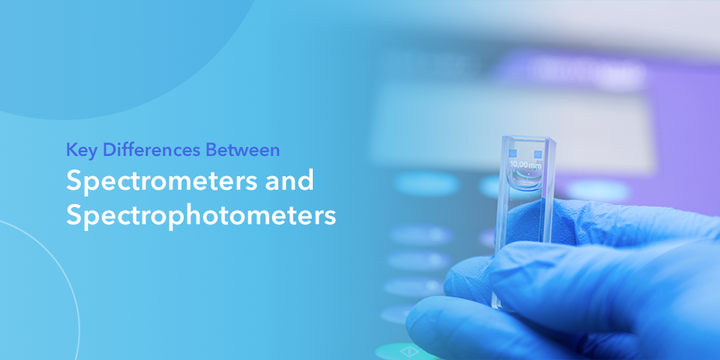
"Key Differences Between Spectrometers and Spectrophotometers"

Lesen Sie

Explore Our Products

Mehr sehen

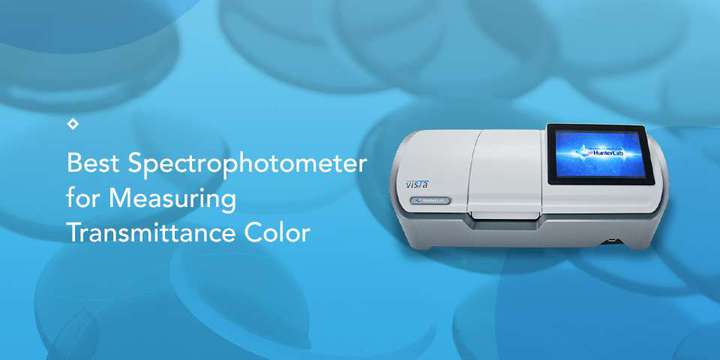
"Bestes Spektralphotometer zur Messung der Farbtransmission"

Lesen Sie

"What Different Types of Color Spectrophotometers Are There?"

Lesen Sie

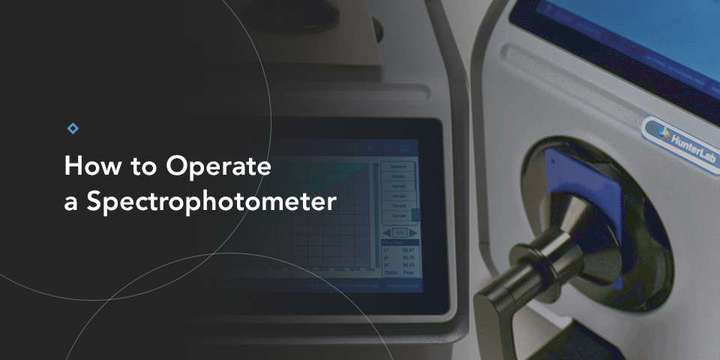
"How to Operate a Spectrophotometer"

Lesen Sie

"Was bewirkt die Kalibrierung eines Spektralphotometers?"

Lesen Sie

"Choosing the Wavelength of Spectrophotometers"

Lesen Sie

Key Differences Between Spectrometers and Spectrophotometers

Posted on Jun 11, 2025 by HunterLab

“Spectrometer” is a general term for any instrument that measures how electromagnetic radiation interacts with matter. A spectrophotometer is a specific type of spectrometer designed to measure how much light is reflected or transmitted by a sample across a range of wavelengths representing typical human vision. Both are critical quality assurance equipment in many industries, yet each has its distinct purposes and ideal applications. Exploring their traits and differences will help you determine which option best meets your unique business demands.

What Are Spectrometers?

This equipment quantifies the electromagnetic radiation within specific wavelengths of a sample.

Modern spectrometer types include the following:

  • Nuclear magnetic resonance (NMR) spectrometers that help biochemists evaluate the properties of organic molecules
  • Optical spectrometers that measure the intensity of light at different wavelengths to analyze the optical properties of a sample
  • Mass spectrometers that analyze a sample's molecular mass to help identify its molecular composition

Benefits of Spectrometers

Advantages of spectrometers include:

  • Sensitivity: These advanced solutions can detect even trace amounts of many elements and compounds and minute variations within samples.
  • Versatility: Spectrometers can quantify spectra from liquids, solids, and gases.
  • Wide spectrum: Optical spectrometers can measure and quantify wavelengths beyond the visible spectrum, such as ultraviolet rays and infrared light.

Ideal Applications for Spectrometers

These solutions are essential in many industries and applications, such as:

  • Life sciences
  • Criminal forensics
  • Material characterization
  • Pollution monitoring
  • Space exploration
  • Water quality
  • Agricultural analysis

Posted in Instruments And Software

Bestes Spektralphotometer zur Messung der Farbtransmission

Posted on Mai 20, 2025 by HunterLab

Jedes Material absorbiert, reflektiert oder lässt Licht durch, was die Farbe bestimmt, die wir sehen, wenn wir ein Objekt betrachten. Die Transmission bezieht sich auf die Lichtwellen, die durch eine durchscheinende oder transparente Probe hindurchgehen, und Spektralphotometer liefern quantitative Messungen dieser Daten. Diese Geräte ermöglichen eine wissenschaftliche und objektive Bewertung der Farbe einer Probe, was für die Gewährleistung der Farbkonsistenz in verschiedenen Anwendungen von entscheidender Bedeutung ist. Transmissionsmessungen mit Spektralphotometern ermöglichen eine bessere Qualitätskontrolle und verbessern die Wahrnehmung Ihrer Produkte durch die Verbraucher.

Was ist die Transmissionsfähigkeit in einem Spektralphotometer?

Die Definition von Transmissionsgrad ist das gemessene Licht, das durch eine Probe hindurchgeht, d. h. das Licht, das nicht absorbiert oder reflektiert wird. Zu den drei primären Transmissionsgradmessungen gehören:

  • Diffuse Transmission (Td, n): Diese Messung ist das Verhältnis des von einer Probe durchgelassenen Lichtstroms zum einfallenden Lichtstrom, wobei der durchgelassene Lichtstrom in allen Vorwärtswinkeln außer dem regulären Transmissionswinkel gemessen wird. Wenn Licht diffus durchgelassen wird, ändert sich seine Richtung beim Durchgang durch das Material, was zu Streuung führt.
  • Reguläre Transmission (tr, n): Dieser Messwert ist das Verhältnis des ungestreuten durchgelassenen Lichtstroms zum einfallenden Lichtstrom. Mit anderen Worten: Es handelt sich um direkt durchgelassenes Licht.
  • Gesamtdurchlässigkeit (tt, n): Dieser Messwert ist das Verhältnis des bei allen Vorwärtswinkeln durchgelassenen Lichtstroms zum einfallenden Lichtstrom. Die Gesamtdurchlässigkeit ist die Summe aus regulärer Durchlässigkeit und diffuser Transmission.

Diese Werte sind für die Aufrechterhaltung der Qualität von Produkten wie Getränken und Speiseölen von entscheidender Bedeutung. Am besten misst man die Farbe mit einem Spektralphotometer, um genauere Informationen zu erhalten, da diese Geräte exakte quantitative Daten über die Lichtmenge liefern, die durch eine Probe hindurchgeht. 

Die Durchlässigkeitsformel lautet:

T = PT/P0

Die Werte in dieser Formel stehen für:

  • T: Durchlässigkeit
  • PT: Die Strahlungsleistung der Quelle beim Austritt aus der Probe
  • P0: Die Strahlungsleistung der Quelle beim Eintritt in die Probe

Das Ergebnis dieser Berechnung ist ein Verhältnis, das das Licht vor dem Eintritt in die Probe mit dem Licht nach dem Durchgang durch die Probe vergleicht. Ein Wert näher an 1 bedeutet, dass das meiste Licht durchgelassen wird, während niedrigere Werte bedeuten, dass weniger Licht durchgelassen wird. 

Was ist die prozentuale Durchlässigkeit in einem Spektralphotometer?

Die prozentuale Durchlässigkeit gibt das durch die Probe hindurchtretende Licht als Prozentsatz anstelle des durch die obige Formel ermittelten Verhältnisses an. Sie erhalten diesen Wert, indem Sie das Verhältnis mit 100 multiplizieren. 

Eine Probe mit einer Durchlässigkeit von 100 % ist transparent und lässt das gesamte Licht durch. Niedrigere Werte weisen auf eine höhere Lichtdurchlässigkeit als Transparenz hin. Für eine effektive Messung der Durchlässigkeit müssen mindestens 30 % des Lichts durch das Material hindurchgehen.

Der Transmissionsprozentsatz ist auch für Absorptionsberechnungen hilfreich. Eine häufig verwendete Absorptionsformel lautet:

A = 2-log10(%T)

Diese Formel bestimmt die Menge des absorbierten Lichts anhand des Prozentsatzes des Lichts, das durch die Probe hindurchgeht. 

Posted in Instruments And Software

What Different Types of Color Spectrophotometers Are There?

Posted on Apr 09, 2025 by HunterLab

As the ideal solution for analyzing sample color, spectrophotometers are essential equipment for quality, research, and forensic labs worldwide. These powerful devices capture critical data about a substrate's properties to help quantify or categorize it accurately. Spectrophotometers contain a spectrometer, which detects and measures wavelengths using sensors to break down the energy into its components. They also include a light source that emits energy into the sample.

Different types of spectrophotometers exist, each with distinct functions and ideal applications, including color spectrophotometers that help ensure color and appearance quality and consistency. These are specialized solutions designed exclusively to measure color within the visible spectrum between about 360 and 780 nanometers — the wavelengths of light the human eye can perceive. Color spectrophotometers come in multiple styles and employ different optical configurations to provide precise color and spectral data.

What Is a Color Spectrophotometer Used For?

Color spectrophotometers are invaluable in any application where quantifying color according to a set of numerical values is crucial to quality and product appearance. Common spectrophotometer uses and industries include the following.

Food and Beverage Manufacturing

Appearance is an important quality indicator in buying decisions, and spectrophotometers help food manufacturers ensure their products fall within acceptable color expectations to entice consumers. Color can also signify a food's suitability for safe consumption and influence perceptions of flavor, freshness, and nutrition. Food manufacturers rely on spectrophotometers to quantify chromatic data for products ranging from snack foods to dairy-based items, fruits and vegetables, and edible oils.

Color plays an equally pivotal role in beverage production, where it helps establish the commercial quality of coffee and the clarity of bottled water according to industry scales.

Plastic Manufacturing

Plastics manufacturers face unique color challenges as industry regulations evolve. Natural yellowing during virgin production calls for the use of optical brighteners to overcome. With more and more governmental mandates for higher post-consumer recycled content, finding the ideal mix to achieve the desired color repeatedly is an ongoing issue for most. Color spectrophotometers help companies in the plastics industry identify and maintain the optimal balance needed for quality, compliance, and appearance.

Chemical Processing

Samples in the chemical processing industry range from opaque powders to translucent or transparent liquids, with some being substantially costly. Accurate chemical mixing is also paramount to safety. Color spectrophotometers enable professionals in this industry to ensure quality and safety by helping identify physical properties and adhere to strict tolerances.

Other Industries

Additional industries relying on color spectrophotometers for capturing chromatic and spectral data include:

  • Bio-pharmaceuticals
  • Building products
  • Paints and coatings
  • Textiles
  • Paper goods

Posted in Instruments And Software

How to Operate a Spectrophotometer

Posted on Mär 19, 2025 by HunterLab

Spectrophotometric solutions simplify the science of quantifying chromatic data for many industries. Manufacturers using a spectrophotometer benefit from higher product quality and consistency, increasing customer satisfaction. Accurately quantifying color and appearance starts with learning how to use a spectrophotometer correctly and implementing a standardized process.

1. Turn the Device on and Allow It to Warm Up

The first step in preparing a spectrophotometer for use is to turn it on and allow it to warm up so it can function correctly. Warmup times can vary depending on the model and manufacturer, but you'll generally want to wait 30 minutes. To protect the integrity of your outcomes, verify the exact time frame by consulting your owner's manual.

Posted in Instruments And Software

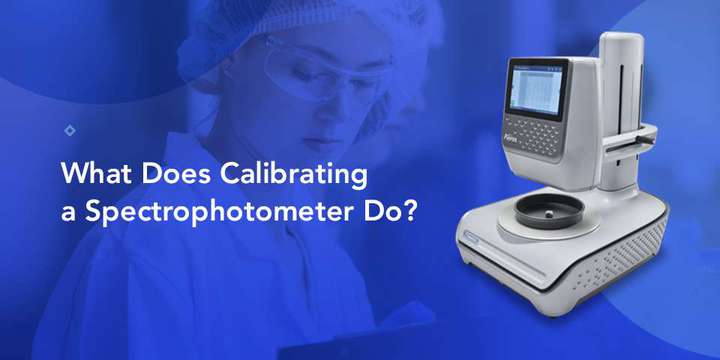
Was bewirkt die Kalibrierung eines Spektralphotometers?

Posted on Mär 19, 2025 by HunterLab

Spektralphotometer sind leistungsstarke Lösungen zur objektiven und wissenschaftlichen Quantifizierung von Farbdaten in Produkten. Diese Geräte erfassen Messwerte zum Vergleich mit einer bekannten Skala oder einem bekannten Index, um sicherzustellen, dass die Farbe der Waren innerhalb akzeptabler Toleranzen liegt, und unterstützen so eine höhere Qualität. Die Kalibrierung ist ein entscheidender Faktor, um sicherzustellen, dass das Gerät präzise und genaue Farbmessungen liefert – und dies auch weiterhin tut.

Was ist die Kalibrierung eines Spektralphotometers?

Die Kalibrierung eines Spektralphotometers ist ein Verfahren zur Einstellung der Empfindlichkeit des Geräts auf bestimmte Wellenlängen des Lichts. Diese präzise Einstellung hilft dabei, zu überprüfen, ob das Gerät die Wellenlängen wie vorgesehen misst und Farben korrekt quantifiziert. Sie unterscheidet sich wesentlich von der Standardisierung, einem Verfahren, das Endnutzer in ihren Einrichtungen durchführen.

Posted in Instruments And Software

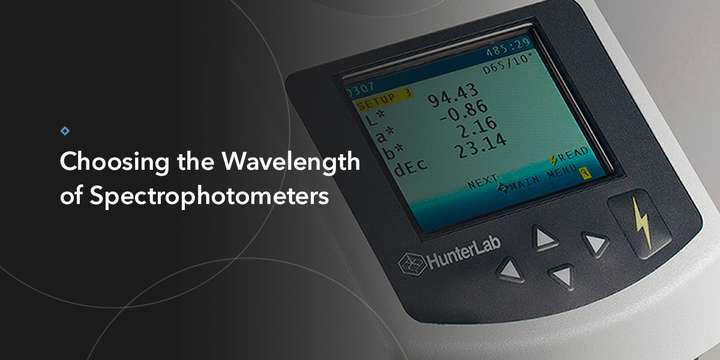
Choosing the Wavelength of Spectrophotometers

Posted on Feb 02, 2023 by HunterLab

Modern technology has significantly changed how spectrophotometers perform compared to the early models from many decades past. These devices have become vital in global research, development and production across a broad industry range. Because multiple spectrophotometer types play different roles, choosing the correct device and selecting the optimal settings for each instrument are vital for achieving the most desirable results.

Posted in Instruments And Software
Prev
1
Weiter

Die meisten verwandten Beiträge

  • Key Differences Between Spectrometers and Spectrophotometers
  • Bestes Spektralphotometer zur Messung der Farbtransmission
  • What Different Types of Color Spectrophotometers Are There?
  • How to Operate a Spectrophotometer
  • Was bewirkt die Kalibrierung eines Spektralphotometers?
  • Choosing the Wavelength of Spectrophotometers
Mehr sehen

Follow Us

  • LinkedInFollow us on LinkedIn
  • YouTubeFollow us on YouTube
  • facebookFollow us on Facebook
  • XFollow us on X (formerly Twitter)
  • instagramFollow us on Instagram

HunterLab

703.471.6870

Hauptsitz
11491 Sunset Hills Road
Reston, Virginia 20190

  • Produkte
    • Tisch-Spektralphotometer
    • Tragbare Spektralphotometer
    • In-Process / In-Line
    • Software für die Qualitätskontrolle (QC)
  • Branchen
    • Lebensmittel
    • Getränke
    • Kunststoffe
    • Chemikalien
    • Bio-Pharma
    • Bauprodukte
    • Farben und Beschichtungen
    • Papier
    • Textilien
  • Lernen Sie
    • Anwendungshinweise
    • Messmethoden
    • Glossar
    • Kundengeschichten
    • Produkthandbücher
  • Über
    • Mission
    • Geschichte
    • Karriere
  • Ressourcen
    • Blog
    • Zertifizierungen
    • Kundengeschichten
    • Video-Galerie
  • Kontakt
    • Website unterstützen
    • Support, Dienstleistungen und Ersatzteilanfragen
    • Produktanfragen
    • Unser Standort

Kontakt aufnehmen

  • Instagram
  • Facebook
  • LinkedIn
  • Twitter
  • Zertifizierungen
  • Geschäftsbedingungen
  • Datenschutzbestimmungen
  • Inhaltsverzeichnis