
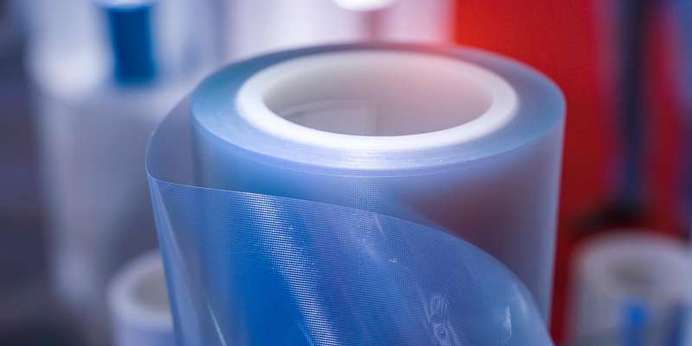
The colour of a transparent film plays an essential role in its appearance and, in most cases, its functionality. Colour measurement can ensure accurate and consistent transparency of plastic film. Let's explore some of the best practices for measuring the colour of transparent film.

The Importance of Colour Measurement for Transparent Plastic Film 

Transparent plastic film has many applications, from packaging food and beverages to protecting cell phone screens. In these applications, the plastic film's appearance directly impacts the product's quality and how customers perceive it. 

For instance, a customer would choose a clear screen protector instead of a cloudy one because cloudiness affects visibility. Because of this, achieving a consistent level of transparency and clarity with every batch is crucial. Measuring the colour of plastic film allows you to monitor variables such as visibility, clarity, and haze where transparency is concerned.


Read  Temperature Effects on Colour Measurement: Maintaining Accuracy in Extreme Conditions

Components That Affect the Colour of Plastic Film

Several components affect the colour of transparent plastic film, including the production process itself. Understanding how these factors impact plastic films is crucial for accurate colour measurement and quality control. Some of these components include: 

01-CTA-Some-of-these-components.jpg
  • Thickness: The thickness of a plastic film can determine the amount of light that passes through it. Thin and thick films absorb, reflect, and scatter light differently, leading to colour variations. 
  • Gloss: Gloss is another essential component that affects the visual appearance of transparent film. It occurs due to light specular reflection on the surface of the plastic film, giving the surface a shiny look.
  • Surface quality: Surface roughness can increase light scattering on plastic films, reducing the transparency. A smoother surface is better for light transmission and higher clarity. 

Use a Spectrophotometer for Colour Consistency

Changes in transparency are not easily noticeable to the human eye. People can also perceive the same colour differently, which makes that method of colour measurement subjective. When measuring the colour of transparent plastic film, spectrophotometers provide quantified data with speedy and accurate results. These tools remove the chances of human error by offering a scientific approach to colour measurement that ensures consistency with each batch across production lines. 

HunterLab has a range of spectrophotometers that measure the colour of plastic film. The Vista spectrophotometer is one such solution, helping you achieve the desired visual appearance and improved quality control by capturing both haze and transmitted colour in a single measurement.

INFO  Get More Information

Ensure Accurate Colour Measurement to Support Sustainability Practices

Using HunterLab spectrophotometers to measure the colour of transparent plastic film allows you to identify discrepancies in raw materials, intermediate products, and finished goods early and prevent product waste. Additionally, these solutions can minimize downtime and energy waste and maximize resource utilization.

By ensuring precise colour measurement throughout the product life cycle, you can improve performance across Environmental, Social, and Governance (ESG) metrics and contribute to greater sustainability.

Connect With HunterLab's Expert Team Today

With HunterLab's innovative spectrophotometers, you can enhance manufacturing processes and maintain colour consistency throughout. Contact us to learn more about our colour measurement solutions today!