Colour quality plays an important role in plastic products, and technology ensures that colour design elements remain consistent with final product results. Colour quality analysis has transformed from an art to a science over the past several decades and plastic manufacturers rely on spectrophotometric technology for rapid and precise colour determination and evaluation. Advanced spectrophotometric technology is used to develop colour tolerances, which lead to a higher efficiency use of materials. This saves both time and money, increasing productivity and profitability, as well as product quality.
2316833560_c7ced407ce_z.jpg

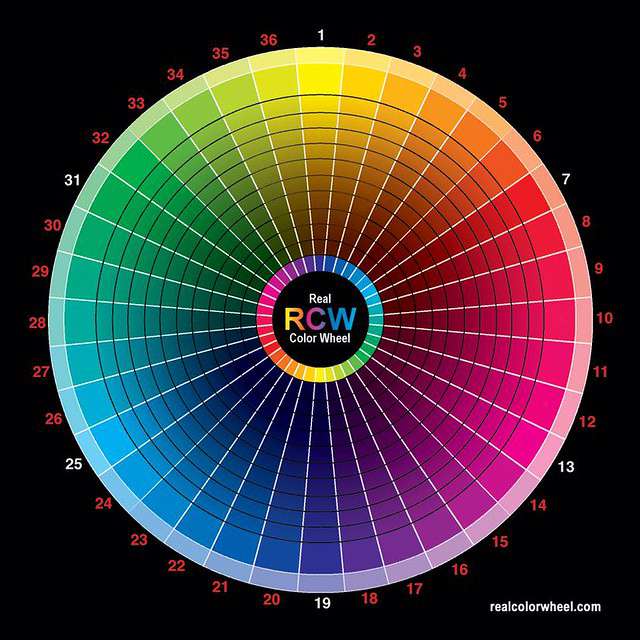
Colour quality analysis has transformed from an art to a science, and developing colour tolerances is dependent on advance spectrophotometric technology for maintaining consistent results in plastic manufacturing.
Image Source: Flickr user Michael Hernandez


Read  Colour Variations in Plastics: You Say Lime, I Say Chartreuse -- What Is It Really?

Colour Specifications and Tolerances

Plastic manufacturers depend on colour consistency in their products, so establishing colour specifications and tolerances is a must. From one product line to another, uniformity is important and necessary to maintain colour quality. Raw materials or plastic pellets are often measured for colour before they are extruded in order to maintain a consistent product flow. Meeting colour tolerance standards and creating specifications to match particular colour design elements is the first step towards manufacturing quality plastic products.

Monitoring colour quality from the start and maintaining tolerances throughout the various production phases leads to improved efficiency and reduced material waste. Real-time colour quality monitoring keeps calibration systems in check and things running smoothly with little need for user adjustments. Today’s technology is developed to work on-line and is fully automated to measure and quantify colour quality specifications, ensuring repeatable results. A strict colour tolerance system in plastics helps eliminate material waste, line shutdowns, extensive operator involvement, and product scrap and rework.

7382239368_ba418d5b73_z.jpg

Setting limits on colour specifications and tolerances keeps plastic production running smoothly and efficiently.
Image Source: Flickr user FutUndBeidl

INFO  Get More Information

Colour measurement instrumentation

Today’s colour measurement instrumentation is available with a variety of design features and capabilities. In the plastic industry, there are many stages of product development and each one presents its own unique challenges. Extruded plastics, pellets, preforms, plaques, bottles, and even ophthalmic lenses all require specific methods of spectral analysis to maintain colour quality. Depending on the shape, size, and level of transparency of each individual product, instrumentation options must adapt to meet the needs and challenges of each specific industry.

  • Plastic Pellets: Plastic pellets are characteristically non-uniform in size, therefore instrumentation must account for variations in surface consistency and texture. Pellets are typically translucent and colour measurements are best achieved using a 45°/0° design, which most closely resembles the way a sample is seen by the human eye.
  • Extruded Plastics: Extruded plastics come in a variety of forms and are used for numerous product applications. Often developed and produced in large volumes, on-line instrumentation provides the fastest and most effective method of colour quality monitoring and quantification. Because colour consistency is key for meeting quality standards, developing tight specifications and tolerances is crucial.
  • Bottles: Plastic bottles are commonly used for food packaging and storage. Colour plays an important role in consumer perceptions and choice, therefore it is one of the most important design elements to consider. Plastic bottles can range from transparent to opaque and their unique shape can create challenges in colour quantification. Instrumentation must account for all of these variations in order to meet colour quality specifications.
  • Preforms and Plaques: These plastic products each have their own unique design elements and colour quality must be calculated using varying techniques depending on shape, size, and opacity.
  • Ophthalmic Lenses: Ophthalmic lenses often utilize polymeric coatings for functionality. These products are unique in their purpose and must be carefully measured for colour quality and functionality.

2539490687_da5c609b62_z.jpg

Plastics can be designed to match any colour design and molded to create a variety of finished products.
Image Source: Flickr user Steven Damron

Plastic colour measurement options

Polymers and plastics offer a wide variety of uses and come in many different colours, shapes, and sizes. Creating a colour measurement system for plastic manufacturing requires tight specifications and tolerances that are tailored to each individual product. At HunterLab we are experts in the various plastic industries and have developed our products to meet the needs and challenges that our customers have expressed. We continue to strive for excellence and new innovations that make colour measurement easier and more effective. For more information on using colour measurement instrumentation to increase the quality and production of your plastic products, contact HunterLab today.