Plastics manufacturing is a complex, multi-step process that moves at rapid speeds to create high product yields. Maintaining colour quality and consistency throughout the manufacturing processes can be difficult, but advancements in colour process automation technology offer continual monitoring for real-time identification of colour changes. Continual monitoring, from pellet colours and extruded plastics to pre-formed products, allows for automatic adjustments to be set, creating a more efficient and cost-effective process stream. New technology provides affordable options in colour process measurement using smaller self-contained instrumentation that can easily adapt to any production line.
5042039551_38db899ab6_z.jpg

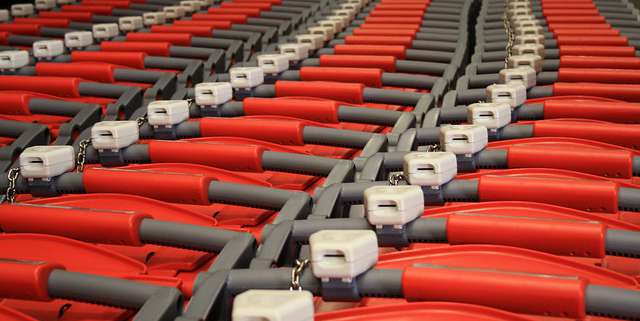
Plastic is a versatile product that is used for many different applications. Developing a system for plastic colour monitoring ensures product consistency and quality.
Image Source: Flickr user Polycart

Read  Colour Variations in Plastics: You Say Lime, I Say Chartreuse -- What Is It Really?

Colour process automation technologies (cPAT)

Spectrophotometric technology offers the most advanced method of colour measurement and is widely used in plastics manufacturing. Improvements in technology measure more than just colour; manufacturers are now also able to account for differences in texture, shape, size, gloss, and haze. For plastics manufacturers, utilizing this technology and combining it with a colour process automation system creates the most state-of-the-art methods for colour monitoring and quality control (QC).

Colour process automation technology (cPAT) is a unique method of colour measurement that uses the latest spectral technology while providing real-time colour measurements. Data is collected directly from the process stream and provides data from a closed-loop colour monitoring system. This form of colour process technology provides instant and continual feedback and is superior to the traditional time-interval methods of evaluation, which does not provide sufficient data for real-time adjustment processes. Colour process automation technology allows adjustments to be made throughout production and occur simultaneously with the manufacturing process. These methods are ideal for today’s plastic extrusion colour processes, where information on baseline improvements can save both time and money.

3878993663_412f16e7d9_z.jpg

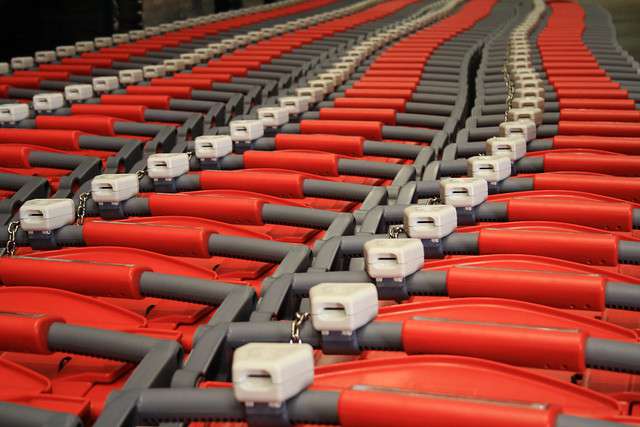
From extruded plastics to molded plastic products, cPAT offers the latest in colour measurement technology and ensure colour quality and consistency in final product outcomes.

Image Source: Flickr user Dave Fischer

INFO  Get More Information

Improving costs and efficiency

Today’s colour process measurement systems are fully integrated, allowing for precise workflow monitoring and improved quality control (QC). The ability to provide real-time, quantifiable results allows manufacturers to set defined parameters and predict potential variations and changes in final colour outcomes. According to the online article “Best Practices and Solution Tools to Automate Colour Quality Control in Plastic Extrusion Processing”, “Colour Process Automation Technology (cPAT) introduces best practices and solution tools to help plastics manufacturers achieve greater performance by moving from a philosophy of time-interval based colour QC to a more dynamic approach of continuous monitoring, closed-loop colour control, and automated defect containment. Colour process automation technology allows organizations to measure, analyze, control and document the colour of extruded plastic in real-time through the measurement of Critical Colour Process Parameters (CCPP) which affect Critical Colour Quality Attributes (CCQA).”

4119618589_d6b38f1f0a_z.jpg

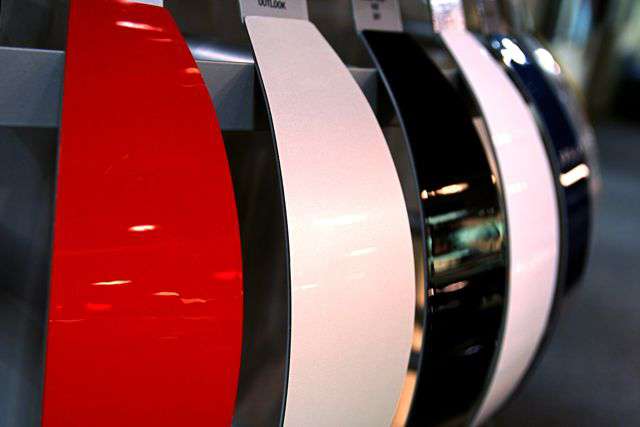
Colour process monitoring is the most efficient method of evaluation to ensure exact colour matching and consistency. These traits are extremely important for high yield production and development.
Image Source: Flickr user Steven Depolo

Colour process automation allows plastics manufacturers to control the entire production process from start to finish, increasing both efficiency and production while reducing costs overall. Real-time data and feedback lead to improvements in product yields, higher levels of operating efficiency, and a reduction in wasted materials. These improvements not only benefit profitability, but lead to a more environmentally friendly approach, as less waste is created and energy costs are reduced. These traits are all highly desirable in a competitive market and create a win-win situation for everyone.

Leading innovators of technology

Colour process automation technology is the latest and most efficient method of colour measurement. Combined with advanced spectrophotometric technology, these systems can be designed to meet a specific set  of colour standards and initiate immediate changes in production where needed. By saving time and materials, manufacturers can keep up with high demands without compromising quality. HunterLab is a leader in colour process automation and technology. Our instrumentation is designed to work directly with in-line product development systems and provides continuous performance monitoring to ensure colour quality control. Our unique spectrophotometric instrumentation is highly adaptable to a variety of materials, textures, and surface qualities and accounts for these attributes when generating data. This allows for the most precise and efficient method of colour process analysis. For more information on cPAT technology and in-line colour measurement instrumentation options, contact HunterLab today.