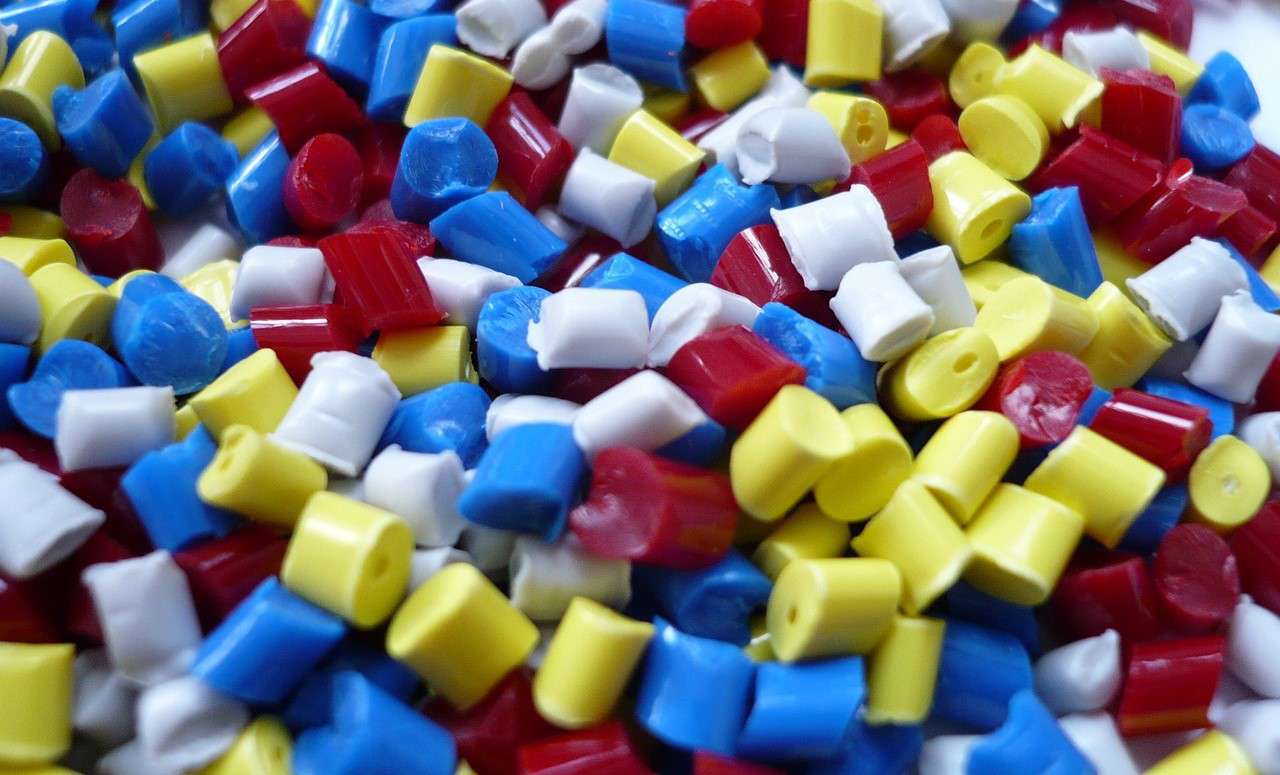
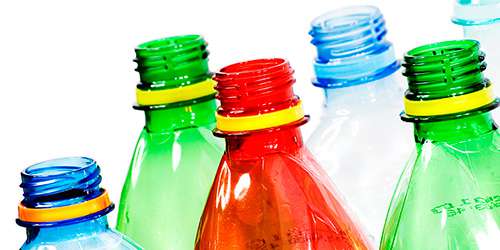
Plastic materials come in a variety of shapes and sizes, but it’s all about colour when it comes to sustainability.
While various colours are visually appealing, there is a more important function to different hues: colour-coding plays an important role in plastic recycling.
Colour variation among plastic products may provide aesthetic appeal, but it is also is an important part of a colour-coding system intended for a more eco-friendly world. Optical sorting has been an effective method of recycling and sorting in the glass industry for quite some time, and with an increased need for recycled plastic products, colour sorting has now become the norm in the plastic industry as well.
According to the EPA (United States Environmental Protection Agency), “post-consumer plastics recycling is in its infancy and is experiencing rapid growth.” The use of post-consumer plastics and plastic resins are dependent on colour technology for colour sorting, which has been directly linked to marketability. The colour sorting process has traditionally relied on the hand sorting of the various glass and plastic materials, but a new Phase I plan has been proposed that uses state-of-the-art colour matching technology. As technology strives to meet the demands of a greener world, industries are also faced with the new challenges of achieving these standards.