Plastic plaques are the basis of industry standards when manufacturing and developing colored plastic products. Quality perception in the plastic industry is significantly impacted by colour consistency between product manufacturing and development. In high-volume production, customer satisfaction is dependent on maintaining colour consistency and uniformity from the production line to consumer usage.

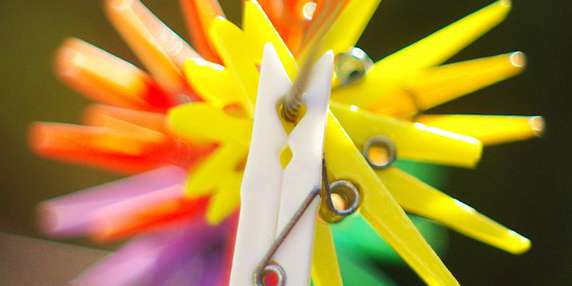
Plastic manufacturing and production depends on advanced colour measurement systems to maintain consistency and quality in product development. Image Source: Flickr user Dave Bleasdale

The process of pressing plastic plaques is necessary for creating a standard for colour selection in sample materials. However, maintaining colour consistency between pressed samples and raw pellet materials requires the use of advanced technology and colour measurement instrumentation. As materials are pressed and heated, it is important to use the right instrumentation to maintain colour consistency between each sample and projected product colour development. By understanding spectral analysis and utilizing the appropriate geometries and tools, colour consistency and consumer satisfaction are attainable.
Read  Colour Variations in Plastics: You Say Lime, I Say Chartreuse -- What Is It Really?

Understanding the Various Methods of Colour Analysis

Plastic plaques represent a variety of hues and variations in polymer colour options, and understanding colour tolerances and differences are crucial when comparing sample materials to final product colour. Variation in colour transparencies and thicknesses can alter colour perception when developing a sample colour baseline. Standardization in colour measurement for the development of plastic plaques has been determined by the American Society for Testing and Materials (ASTM)1 to establish standard practice and calculation guidelines. These standards are based on specific CIE colour scale2 and tristimulus value measurements to ensure colour consistency between plaques and raw polymer materials.

2948217985_b32f58dbdd_z.jpg

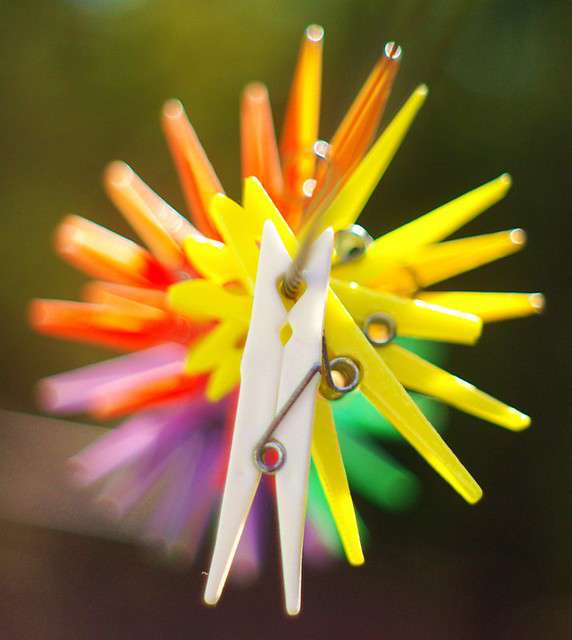
Changes in colour and uniformity can occur throughout the various stages of plastic production. Understanding colour values and the principles behind colour measurement instrumentation takes the guesswork out of developing a consistent line of polymer products. Image Source: Flickr user tourist_on_earth

Plastic plaques can range from opaque to translucent to even transparent. These variations alter the amount of light that can pass through the sample, requiring different measurement techniques to accurately calculate the colour value of the material. For example, opaque plaques block light transmissions, therefore requiring a Directional 45°/0° reflectance instrument or a Diffuse d/8° reflectance instrument to accurately quantify the colour measurement for repeatability. This advanced colour measurement system provides numeric quantification, which correlates directly to visual perception. Colour consistency can be guaranteed in sample materials, rendering colours both repeatable and transferable to other processes in polymer product development.

INFO  Get More Information

Avoiding Challenges in Plastic Plaque Development

Challenges in colour consistency and stability are often accounted for in the transition from raw materials to pressed plastic plaque development. Compression molding and heat can both cause changes in the appearance of plastic materials and often affect the Yellow Index measurements in these products. Plastic materials tend to degrade with exposure to heat, resulting in a slightly more yellowish appearance than cut granules or pellet form. It’s important to develop an accurate measurement system to account for these variations and quantify the changes for quality control and colour consistency.

377537734_764c64ca16_z.jpg

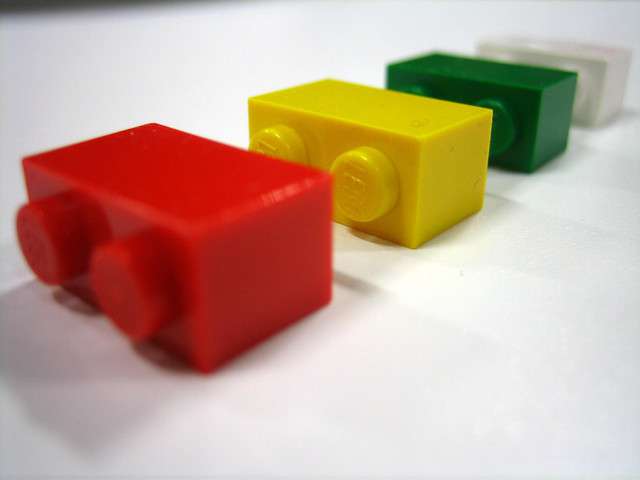
The ability to quantify colour leads to repeatability and a higher level of quality that consumers demand. Image Source: Flickr user Jeremy Keith

Colour values must correspond with visual acceptability in order to meet standardization requirements. Any notable differences in colour saturation, hue, or lightness can alter the final product colour target and disrupt the quality of the product. The ability to accurately quantify these various dimensions of colour requires both advanced instrumentation and expert analysis techniques.

Advanced Colour Measurement Paired with Expert Analysis

Advanced colour measurement instrumentation takes the guess work out of setting colour tolerances and accurately quantifying colour values. By utilizing the proper geometric capabilities, colour measurement is can both highly accurate and attainable. Today’s spectrophotometers are highly versatile and designed to measure a variety of material attributes. At HunterLab, we specialize in advanced colour measurement applications in plastic manufacturing. Our friendly staff offers expert guidance in the selection of instrumentation design specifically to meet your needs. For more information on colour measurement for plastic plaques or other polymer products, please contact HunterLab today.