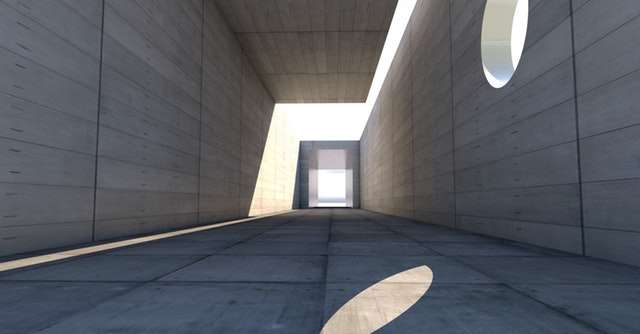
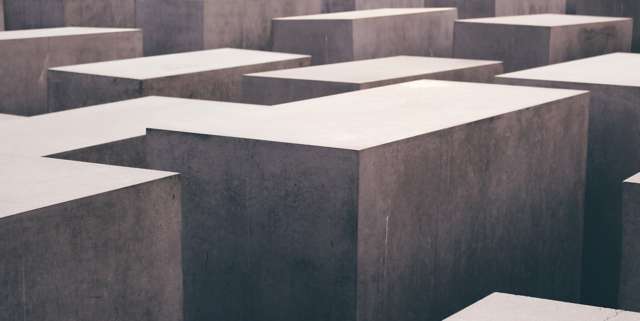
Precast concrete offers significant practical and aesthetic advantages, including its broad range of colour possibilities. Image Source: Unsplash user Luca Rüegg
Concrete is renowned for its remarkable strength and durability, affordability, and low maintenance requirements, making it ideally suited for use in a virtually endless variety of applications. From parking garages to railroad ties, agricultural products to retaining walls, concrete’s extraordinary versatility makes it “the most used man-made material in the world.”1 However, the appeal of concrete doesn’t simply lie in its practicality; it can also have significant aesthetic appeal. Homeowners turn to concrete to beautify their properties, whether via intricate modular paving, cutting-edge countertops, or contemporary exteriors. Meanwhile, designers are increasingly using concrete in aesthetically innovative ways to enhance the appearance of public spaces and shape our experiences of the world around us.
This broad appeal comes in part from the fact that concrete, particularly precast concrete, can be manufactured in an infinite variety of colours. Whether a customer is looking to create a bold new public building or simply update their kitchen, precast concrete manufacturers can use colour to help them achieve their perfect look. However, with so many variables at play, achieving the ideal hue can be a challenge, and objective colour measurement is necessary to develop manufacturing processes that will result in your desired appearance. As such, spectrophotometers are playing an increasingly vital role in the production of precast concretes.
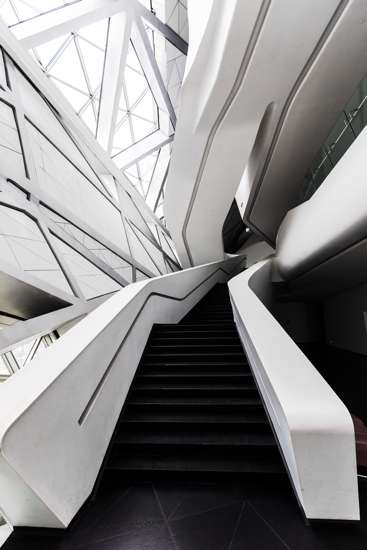
The final colour of concrete is influenced by a variety of factors, from raw materials to final finishing. Image Source: Unsplash user Denys Nevozhai