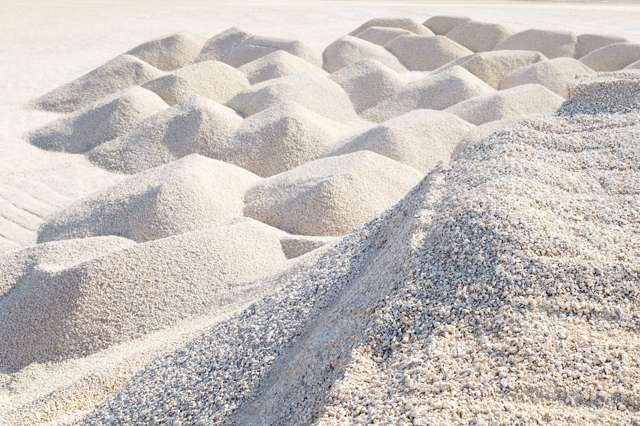
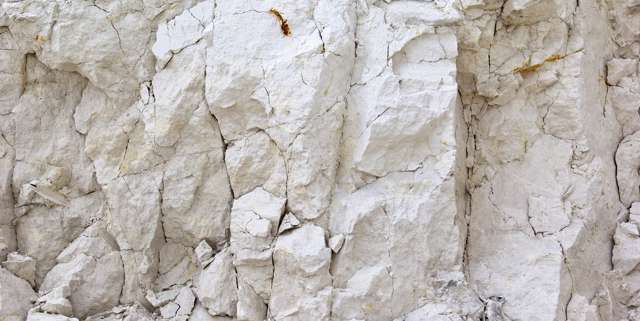
Raw, solid limestone and loose powder samples can be challenging to test for colour consistency because the texture of the sample is often uneven. Image Source: Shutterstock user photolike
Limestone plays a major role in a number of industries and products, from building materials to cosmetics—limestone is even a key ingredient in certain pharmaceuticals and toothpastes. However, while limestone is a popular material with many diverse uses, it can also present significant challenges when it comes to the colour measurement process. This is because the rough texture of raw limestone can make accurate colour analysis far more difficult than with a uniformly textured sample; raw limestone typically consists of deep cracks, jagged edges, and dirt deposits that will make the material appear either lighter or darker than it actually is.
This is why you need to implement a dependable colour quality control method when testing your limestone samples. By standardizing your colour quality control protocols using a highly reliable spectrophotometer and state-of-the-art colour measurement software, you can ensure accuracy and precision of colour analysis. This, in turn, will improve the overall appearance of your products, as well as the quality of the raw ingredients you use to create them.
Why Colour Quality Control is Essential for Limestone
Whether you use limestone as a key ingredient in your cosmetic, pharmaceutical, or processed food products, testing this material for colour consistency is vital. For example, limestone is an important ingredient in baking soda, as it helps regulate the pH of the product. However, baking soda manufacturers need to ensure that the powdered limestone in the product is consistent in colour from batch to batch, as a lack of consistency could make the final product appear contaminated.1 Meanwhile, in construction, limestone is highly valued in large part for its aesthetic qualities, and this material is frequently used in cement or floor filler owing to its beautiful finish. In order to ensure that these limestone building materials are as aesthetically pleasing as possible, you need to use materials that are consistent in colour; significant variations in colour could negatively affect the overall appearance of the finished construction project. This is also true in the toothpaste industry, as limestone is often used to make the product appear more white, an important aesthetic quality in many toothpaste products. To achieve this level of colour consistency in limestone ingredients, you need to use consistent colour measurement protocols.
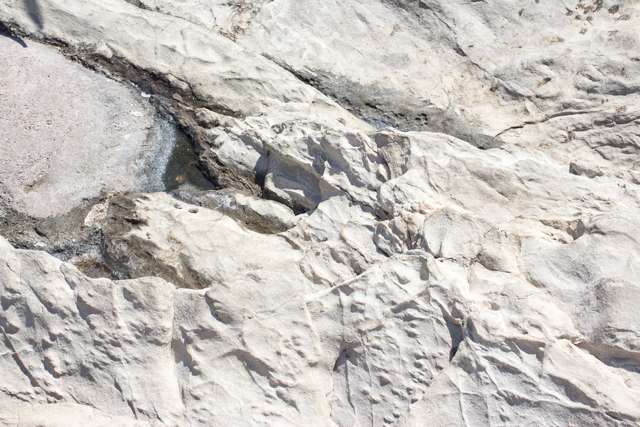
Raw limestone often varies significantly in colour, as contaminants and texture can affect the appearance of the material. Image Source: Shutterstock user Cezara Tudosa