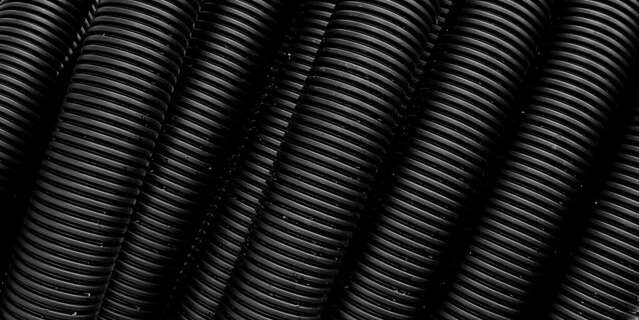
Carbon black is one of the most commonly used additives to both commercial and industrial grade plastics. Used as both a base of colour comparison as well as a UV absorption material to increase durability, the colour measurement of carbon black filled plastics is an important part of polymer production. Image Source: Flickr user Jori Samonen

Plastic is one of the most versatile materials available. With the ability to be molded and formed into nearly any shape, size, or colour the possibilities are nearly endless. Yet manufacturers continually struggle with achieving colour consistency and maintaining durability and UV resistance. Carbon black plastic technology is a preferred method for increasing the strength and stability of these products and can be used for a variety of applications. The colour measurement of carbon black filled plastics provide the data needed to monitor various colour changes as well as the UV resistance qualities in plastic materials. This process begins with the dry blending of carbon black and the primary resin, where colour analysis starts prior to molding in order to achieve the right balance in colour and stability.
Read  Colour Variations in Plastics: You Say Lime, I Say Chartreuse -- What Is It Really?

Carbon Black Filled Plastic Measurement

Carbon black is one of the most commonly used additives in higher end plastic applications and can be used as a “pigment, conductive filler material, particulate reinforcement, and ultraviolet light (UV) absorber.”1 The purity, soft texture, and intense pigment colour of carbon black make it a popular choice in colour additive materials, and instrumental analysis helps simplify this process to ensure quality and consistency throughout production. As both a pigment and UV absorber, carbon black is often used as a standard for all other colour matching plastic compounds. Spectral technology is able to quantify the colour and UV absorbency of this material and attach a numerical value for consistency and repeatability.

Spectral technology is an important tool for colour compound producers and is used to establish colour specifications to improve quality and consumer satisfaction. Establishing standard test methods with instrumental analysis simplifies the process of dry blending carbon black to achieve a standard base colour. Spectrophotometers also offer in-line process monitoring to evaluate specific colour changes throughout production in order to create a set of standard based colours that can be repeated from batch to batch and maintain consistency at any facility. Using precise light source specifications and geometric principles, a quantitative matching system can be used to categorize these colours. A colour tolerance system can then be applied to develop specific samples for repeatability and customer needs.

Process Monitoring for Consistency and Durability

Colour fading and material degradation are common problems associated with outdoor plastic materials. Carbon black filled plastics offer solutions to extend both the colour and durability of these products. New spectral technology can reveal how sunlight degradation effects the chemical bonds and molecular chains in polymer materials.2 These studies have allowed manufacturers to closely monitor changes in the light spectrum and assess how variations in polymer formulations can best withstands the affects of nature. These processes help in the development of materials that are both stronger and retain colour more effectively.

7007689016_9b2c37d9a5_z.jpg

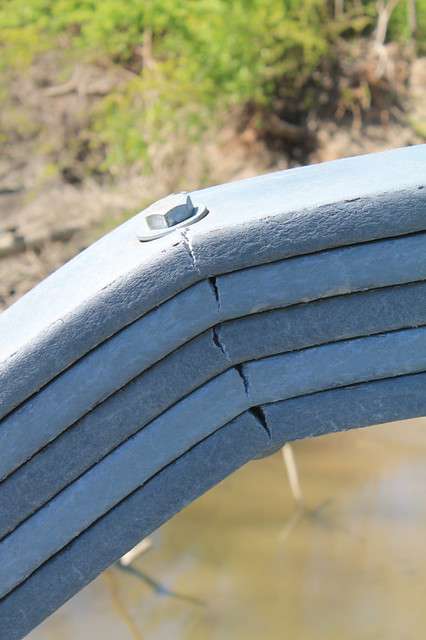
Plastic materials are widely used for outdoor applications, but the harmful effects of the sun can take a toll on the durability of these products. Image Source: Flickr user Andy Arthur

Carbon black is often used as an internal UV stabilizer in plastic, added before the molding process to help protect the final product from the damaging effects of sunlight. This additive absorbs the UV light and transfers it into heat, which then dissipate throughout the polymer material and reduces the effects of deterioration. The amount of carbon black can alter the final product colour outcome, so using instrumental analysis to monitor absorption rates is an effective way to develop the most durable product without compromising colour quality. Once a proper balance of UV stabilization and colour are obtained, these measurements can then be quantified and stored for repeatability and sample use.

9429787753_84b10d7f5a_z.jpg

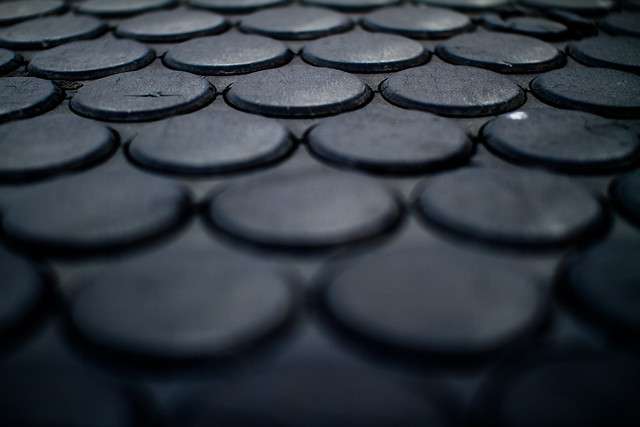
Black carbon filled plastics are made to withstand the harsh effects of sunlight from outdoor use. Spectrophotometers can monitor absorption levels and quantify these result for the development of durable, high quality polymer materials. Image Source: Flickr user royalty free

INFO  Get More Information

Colour Measurement Solutions

Spectrophotometers offer a versatile solution for polymer production and its various applications. Whether you require smaller portable or benchtop models or large production online instrumentation, there are many solutions that have been specifically developed to meet the individual needs of this industry. Spectral technology offers a solution for every stage of production, from large industrial producers to smaller specialized polymer corporations; spectrophotometry is an essential part of plastic production and quality control.

HunterLab is a leading name in innovative technology and polymer colour development and process monitoring. We offer a wide array of tools that can be used to develop colour tolerances and standard test methods to ensure quality and consistency throughout every stage of production. From pellets and preforms to molded or extruded polymers, HunterLab offer expert advice on how to make the most of your colour measurement instrumentation. For more information about carbon black colour technology and other polymer colour measurement tools, contact us today.